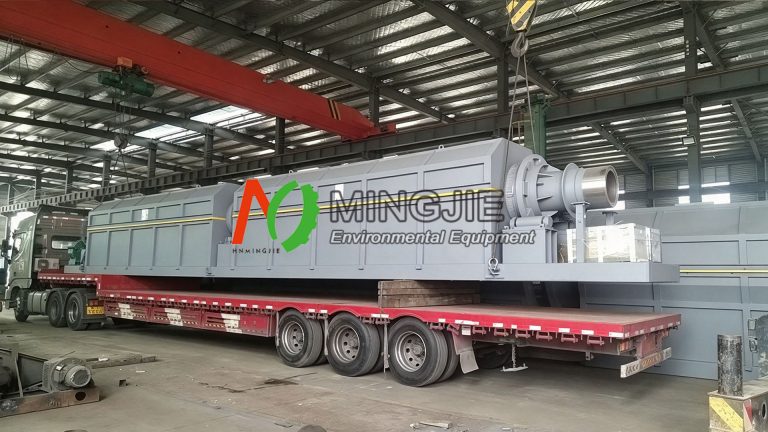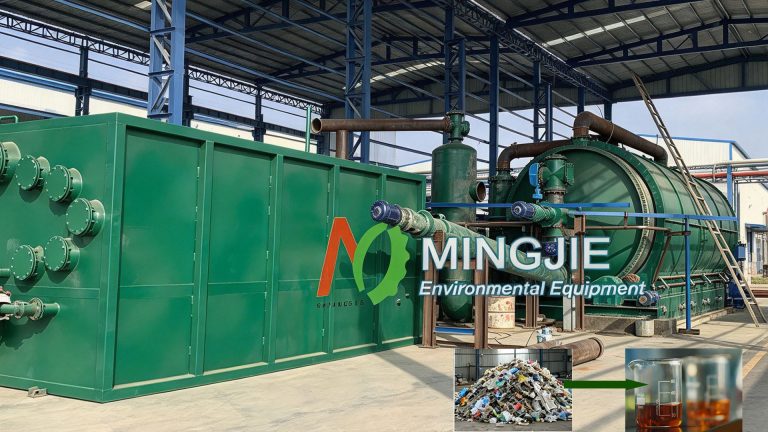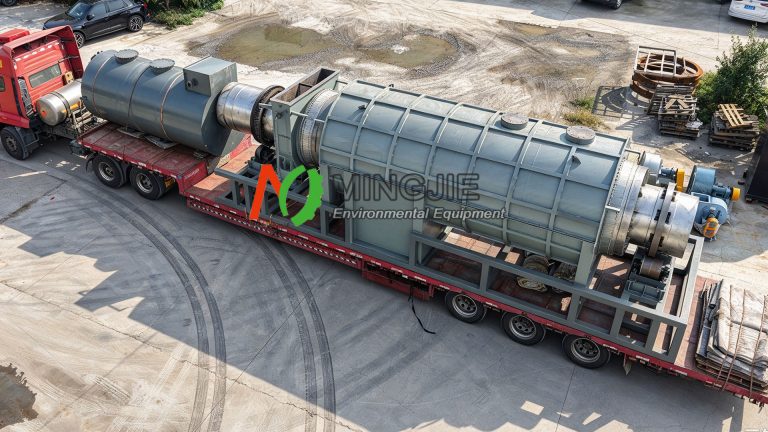
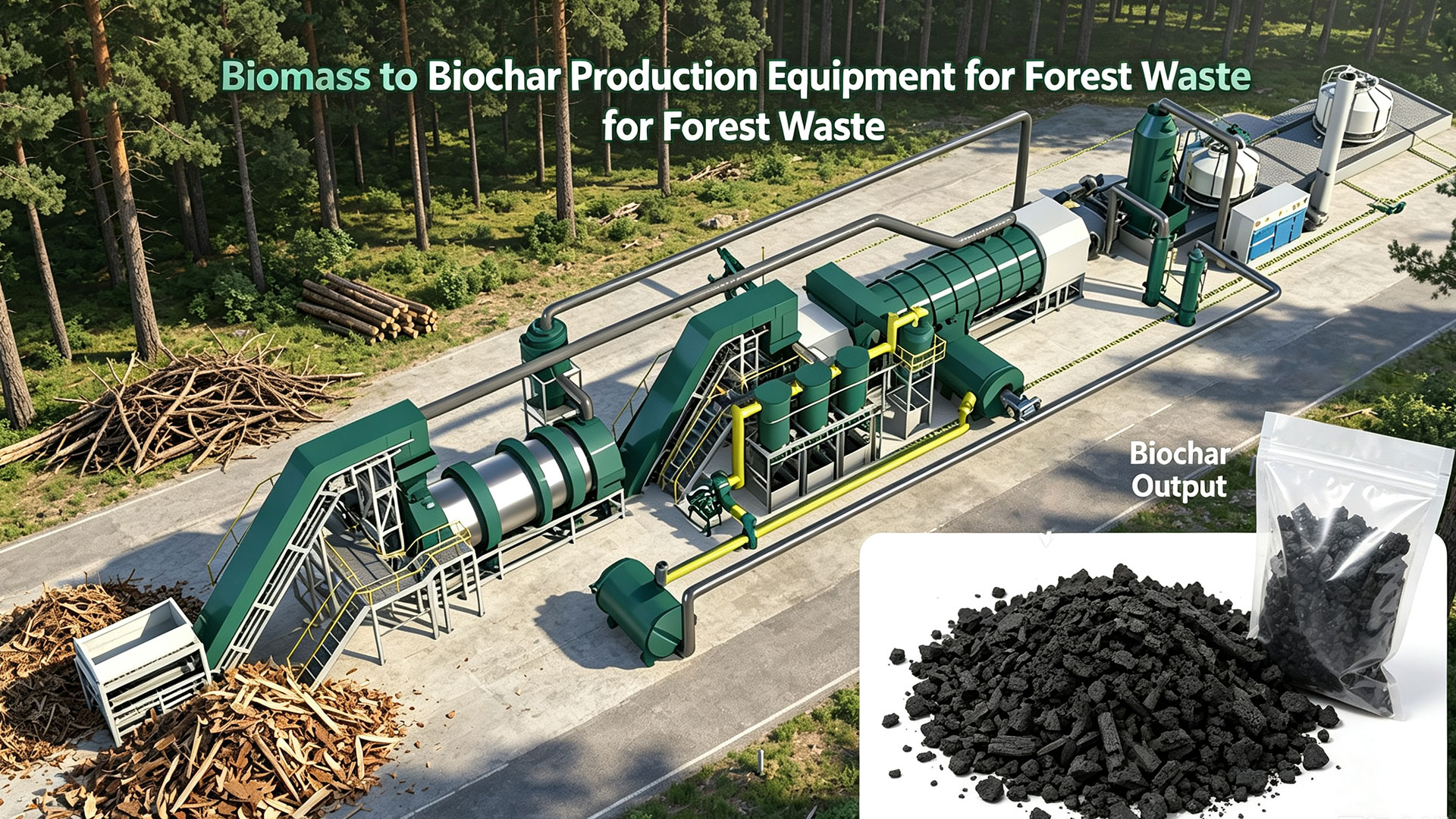
Forest waste creates massive risks but offers significant economic rewards for industrial players. Strategists now utilize a Continuous Biomass to Biochar Production Plant to capture these hidden profits. This technology transforms dangerous forest floor fuels into stable, high-value assets. Investors address wildfire prevention while securing a reliable supply of renewable materials. These Carbonization Biomass to Biochar Production systems solve resource challenges through advanced pyeolysis technology. Strategic waste management strengthens the bottom line and de-risks regional land operations.
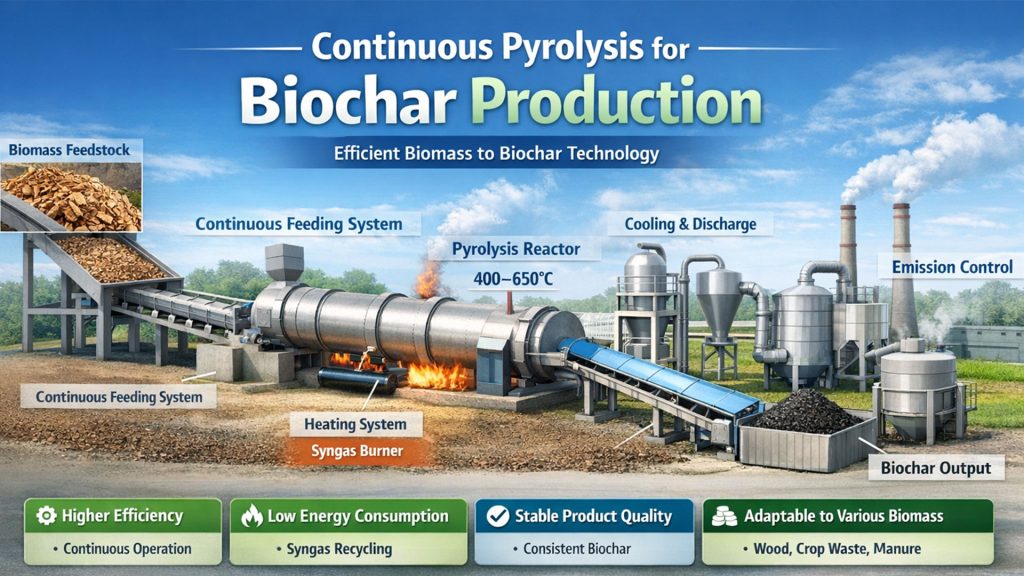
Global demand for renewable energy and carbon sequestration continues to rise rapidly. Continuous Carbonization Biomass to Biochar Production offers a superior alternative to traditional biomass incineration and landfill disposal. Every forest project requires a reliable method to process organic residue efficiently. Modern investors view forest debris as a feedstock for dual-revenue models. This approach ensures high returns while solving increasingly prominent environmental problems. Advanced thermal conversion provides a clear path toward sustainable development and profitability.
Turning Forest Residue into High-Value Resources
Modern systems process diverse materials including wood chips, bark, and branches with high efficiency. A Large Scale Biochar Production Plant also converts bamboo chips and rice husks into marketable products. Coconut shells and straw become premium inputs for large-scale carbonization projects. This process upgrades low-value residue into a refined industrial material. Investors gain a versatile asset capable of handling various organic feedstocks. Professional throughput ensures consistent material quality for demanding global markets.
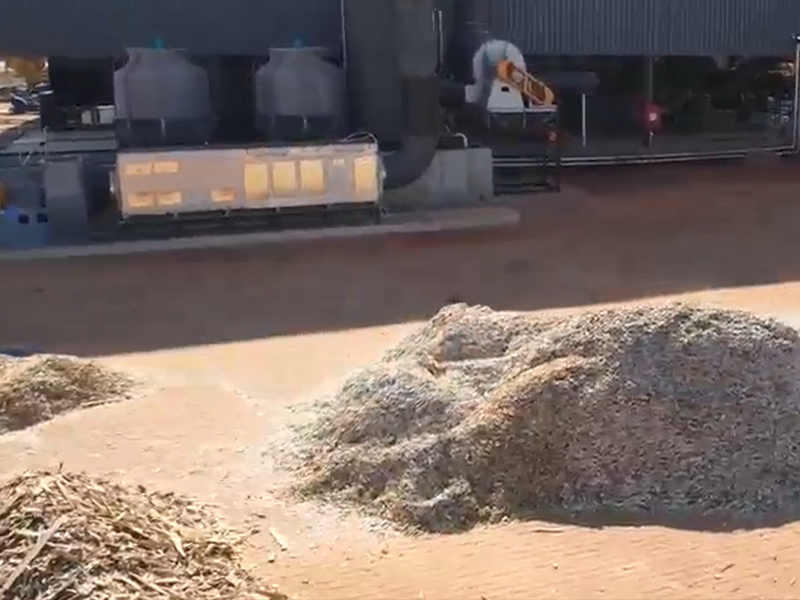
Successful operations utilize diverse inputs to produce bright-colored and high-purity final products. The equipment handles sawdust, nut shells, and palm shells within a single advanced system. Proper shredding and drying preparation maximize the final quality of the resulting biochar. This transformation revitalizes local economies by creating value from previously discarded forest waste. Enterprises can pivot their production based on current market demands for energy or agriculture. Versatility ensures that the facility remains profitable in any economic climate.
The Carbon Credit Opportunity for Modern Investors
Carbon sequestration provides a powerful mechanism for maximizing long-term project returns. Enterprises enter the international carbon sink market by producing stable biochar products. This solid carbon remains stored in the soil for centuries. Production aligns with global carbon circulation goals and verifies permanent atmospheric removal. Selling these credits creates a secondary revenue stream for the asset owner. Diversified portfolios benefit from this direct exposure to the rising green economy.
Participation in the emerging green economy requires documented and verifiable carbon removal methods. Industrial carbonization reduces the environmental burden of methane and CO2 from decaying biomass. This approach allows companies to offset their industrial footprint through certified sequestration projects. High market demand for carbon credits ensures a steady and predictable income stream. Investors benefit from both the physical product and the environmental impact of their operation. This model provides a robust buffer against fluctuating energy prices.
Technical Advantages of Continuous Biomass to Biochar Production Plant
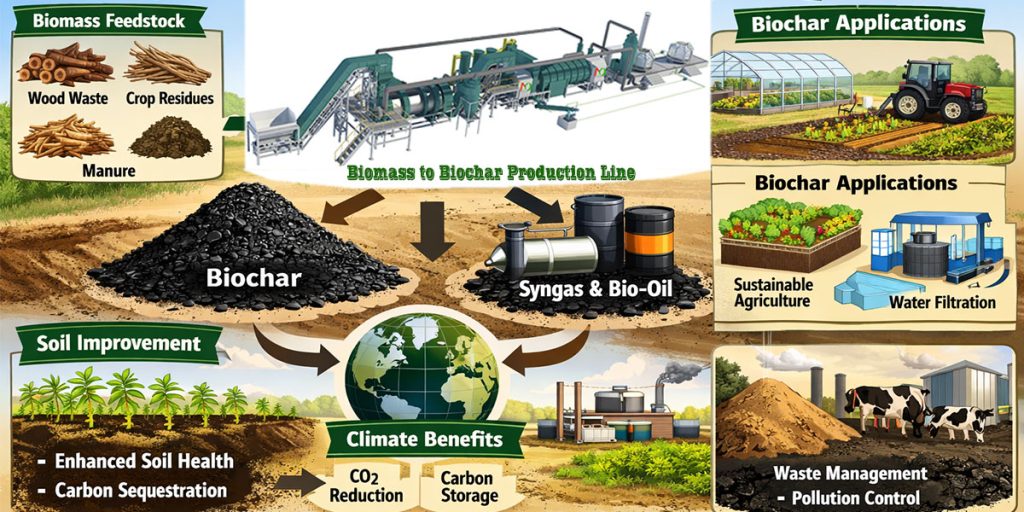
The Fully Automatic Wood Charcoal Manufacturing Machine maximizes asset utilization through non-stop operation. A standard Continuous Biomass to Biochar Production Plant processes 30 to 50 tons of biomass daily. Integrated shredders and dryers prepare the feedstock for high-purity thermal conversion. Oxygen-deficient conditions ensure the biochar maintains high market prices. The biomass pyrolysis system operates 24 hours a day with automatic feeding and discharging. This technical reliability secures the investment against downtime and operational inefficiencies.
Operating this advanced machinery requires minimal manual intervention from the onsite staff. The sealed process keeps the operating environment clean and free from fly ash. High-temperature slag discharge occurs without waiting for the reactor to cool down. Water-cooled systems manage thermal energy to protect the machinery and workers. Advanced emission purification systems ensure compliance with strict international environmental standards. The equipment represents the peak of modern pyrolysis engineering and industrial reliability.
Balancing Wildfire Prevention with Commercial Profit
Removing fuel loads from forest floors significantly reduces the threat of catastrophic fires. Carbonization offers a clean alternative to the hazardous open incineration of biomass. A Continuous Biomass to Biochar Production Plant captures syngas to provide self-sustaining heat for the facility. This recycling mechanism lowers OpEx and increases the total efficiency of the plant. Controlled pyrolysis avoids the release of harmful dioxins and thick smoke. Communities benefit from safer landscapes while investors build sustainable industrial businesses.
Traditional incineration provides no economic return and damages the local ecosystem. By contrast, advanced pyrolysis extracts the hidden energy from forest residue. The recovered syngas reduces the overall energy costs for the entire waste management operation. Controlled thermal treatment prevents the uncontrolled release of toxic pollutants into the atmosphere. This industrial solution turns a safety necessity into a profitable commercial enterprise. Continuous Biomass to Biochar Production Plant helps Commercial profits grow alongside the improved safety of the surrounding forest landscape.
Maximizing ROI through Diversified Revenue Streams
Investors capture value by selling biochar as a soil conditioner or industrial fuel. This material also serves as a critical precursor for activated carbon production. Syngas recovery further de-risks the operation by reducing external energy dependencies. The high calorific value of biochar makes it a sought-after clean heating source. Diversified outputs protect the enterprise from shifts in any single commodity market. Strategic technology deployment ensures resilience and high yield across the entire asset lifecycle.
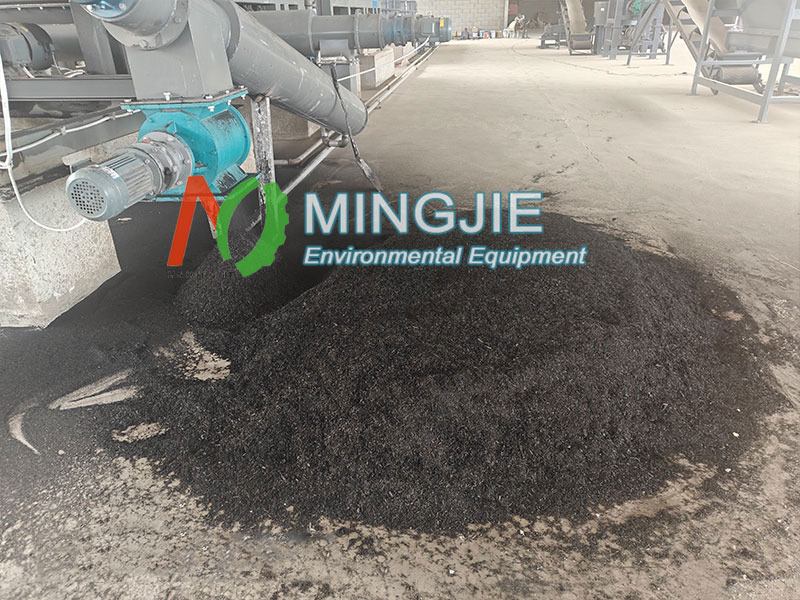
Secondary products include bio-oil which serves as an alternative fuel for industrial use. The versatility of the equipment allows for various output configurations based on market need. Biochar can be pressed into briquettes for use as high-efficiency solid fuel. Every byproduct of the pyrolysis process holds a specific and tangible market value. This flexibility ensures the plant remains competitive in a changing global economy. The Continuous Biomass to Biochar Production Plant has made outstanding contributions to this end.
Global Implementation and Industrial Reliability
Mingjie Environmental Protection Equipment Co., Ltd. brings 20 years of expertise to every project. Their 12,000 square meter factory produces CE and ISO certified industrial machinery. The company has implemented successful Biomass Carbonization Plant solutions in over 30 countries. Water-cooled automatic slag discharge systems ensure safe and continuous material handling. This global track record proves the technical viability of their advanced pyrolysis systems. Industrial clients trust this infrastructure to deliver performance and environmental compliance. Trust in the high standards of Continuous Biomass to Biochar Production Equipment.
More than 200 customers have implemented customized environmental solutions from this manufacturer. Successful projects in the Philippines and South Africa demonstrate the versatility of the equipment. The manufacturer provides comprehensive technical support and high-quality after-sales service. Their research and development team constantly promotes innovation in the pyrolysis field. Every Continuous Biomass to Biochar Production Plant undergoes rigorous quality testing before deployment to an industrial site. Global enterprises trust these machines to deliver long-term value and protection.
The synergy of forest management and carbon markets defines the next era of energy. Advanced carbonization technology provides the bridge between ecological safety and industrial profit. Companies must move beyond traditional waste disposal to secure long-term market positions. A professional Continuous Biomass to Biochar Production Plant represents a mature, high-yield investment opportunity. This technology streamlines resource recovery while meeting urgent global sustainability targets. The transition to a circular economy offers clear advantages for forward-thinking capital.
Every forest management plan should include a strategy for biomass recovery. The economic benefits of biomass to biochar production outweigh the costs of traditional disposal. Enterprises secure their competitive edge by investing in proven and reliable pyrolysis technology. This ensures a steady supply of renewable energy and valuable carbon credits. High-efficiency systems define the future of sustainable forest industry operations. Investors secure success by using a Continuous Biomass to Biochar Production Plant to turn forest waste into carbon assets.