Ukraine faces a massive challenge during its national reconstruction. We must prioritize sustainable energy and modern waste solutions now. Municipal Solid Waste Pyrolysis Plants provide a vital framework for this recovery. These facilities offer a dual benefit for war-torn urban areas. They drastically reduce waste volumes while generating essential industrial power. Traditional waste management cannot meet the current environmental goals of the region.
A green recovery requires moving beyond simple and outdated landfills. These plants transform local refuse into valuable resources for rebuilding. Sustainable reconstruction depends on these advanced waste-to-energy systems. Local communities gain energy security through this innovative technology. Municipal Solid Waste MSW Pyrolysis Plant offers a clear path toward a circular economy. This strategy supports the long-term health of the entire nation.
The Growing Challenge of Reconstruction Waste
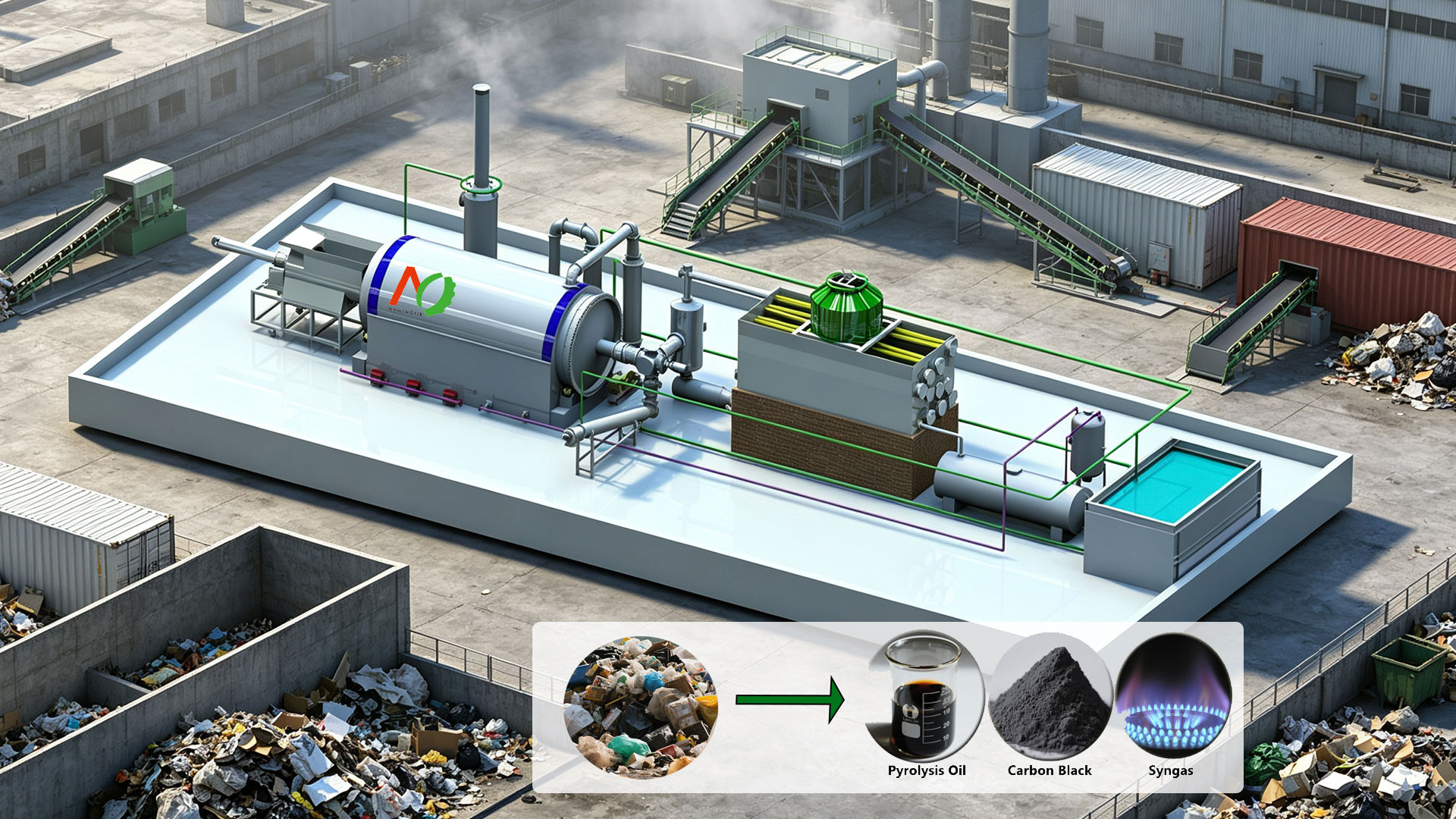
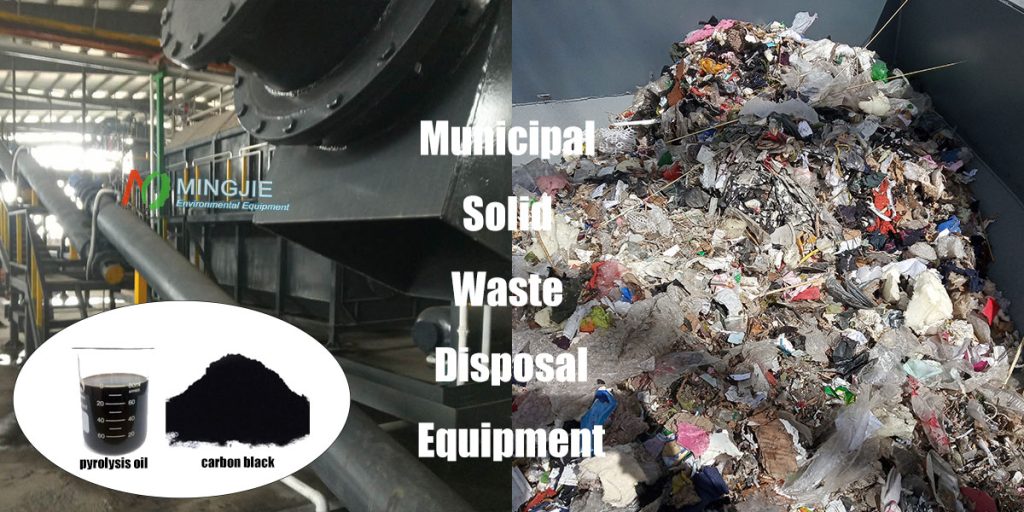
Managers must address the staggering volume of waste from urban rebuilding. Municipal Solid Waste Pyrolysis Plants process varied materials like plastics and tires. These systems also handle medical waste and hazardous oil sludge effectively. Furthermore, they significantly reduce the physical weight of municipal refuse. Operators should pre-sort materials to remove inert glass, metal, and stones. Pre-sorting protects the machine and ensures long-term operational performance. Reducing waste volume decreases the immediate need for new landfill expansion. Landfills consume land that citizens need for housing and agriculture. This technology prevents waste from stalling the nation’s reconstruction efforts. It turns a heavy logistical burden into a reliable source of wealth. Municipal Solid Waste Pyrolysis Plants ensure that waste does not hinder growth.
Understanding the Pyrolysis Process
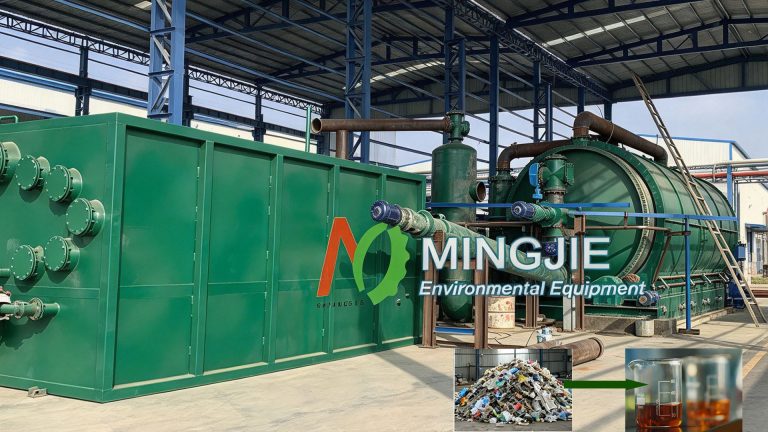
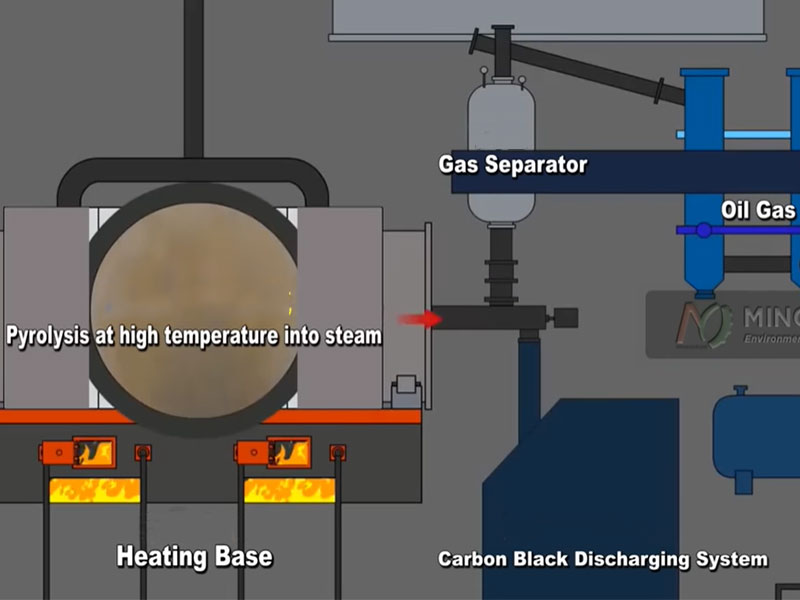
The pyrolysis reactor performs a thermochemical decomposition of organic matter. This reaction occurs in a high-temperature and oxygen-deficient environment. The chamber reaches an optimal operating temperature of 420°C for plastics. The absence of oxygen prevents the materials from burning or combusting. Instead, the thermal treatment breaks matter into gaseous and liquid forms. Municipal Solid Waste Pyrolysis Plants differ fundamentally from traditional incineration. The process targets the molecular structure of polymers and biomass. High heat releases energy vapors within a sealed and safe system. Condensers then capture these vapors to produce high-grade industrial oil. This method represents the pinnacle of modern waste management science. The system works efficiently to maximize the recovery of all raw materials.
Superior Environmental Performance Over Incineration
Pyrolysis technology offers cleaner results than traditional waste incineration methods. Municipal Solid Waste Pyrolysis Plants produce fewer harmful emissions and toxins. The system releases significantly lower levels of dioxins and nitrogen oxides. It also minimizes the output of sulfur dioxide into the air. This reduction protects local air quality for residents during reconstruction. These plants help Ukraine achieve its carbon-neutral reconstruction goals. Specialized purification systems clean all flue gases before their release. The process avoids open combustion and the associated toxic ash. Consequently, these facilities can operate safely near urban population centers. They protect the public health while actively cleaning the environment. Municipal Solid Waste Pyrolysis Plants meet strict international environmental standards easily.
Producing High Value Fuel Oil
The pyrolysis process yields high volumes of industrial grade fuel oil. Municipal Solid Waste Pyrolysis Plants recycle polyethylene and polypropylene plastics. Pure materials can yield up to 80 percent fuel oil by weight. This oil powers industrial boilers and various local heating applications. It serves as a critical energy source for recovering factories. Local production reduces the national dependence on imported natural gas. Furthermore, it decreases the reliance on expensive traditional petroleum products. This creates a decentralized and sustainable energy loop for the city. Investors benefit from the high market value of this energy output. Every ton of waste plastic generates hundreds of kilograms of oil. The high yield makes this technology very attractive for local development.
Advanced Distillation for Energy Independence
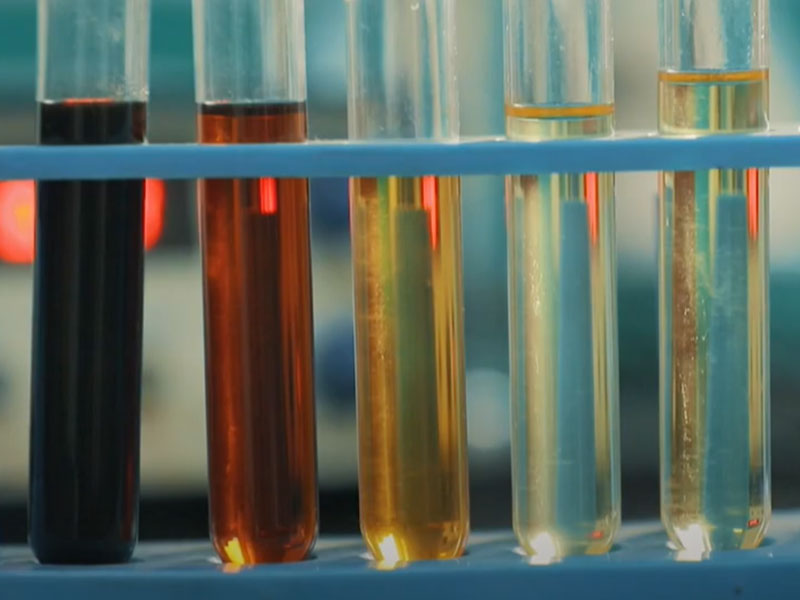
Refining raw pyrolysis oil through distillation plant adds significant value. The distillation process separates crude oil into light fraction products. It produces bright non-standard diesel or gasoline for heavy machinery. Low-speed diesel engines and ships run efficiently on this fuel. Generators can provide decentralized power to critical infrastructure projects. Distillation also removes pollutants and impurities from the raw oil. Notably, the remaining heavy oil can serve as asphalt for roads. Road reconstruction is a top priority for the Ukrainian recovery. Alternatively, operators can refine heavy oil again to increase yields. Municipal Solid Waste Pyrolysis Plants paired with distillation ensure energy autonomy. This technology empowers local communities to generate their own fuel.
The Role of Syngas in Plant Efficiency
The pyrolysis cycle generates energetic syngas as a valuable secondary byproduct. This gas typically contains more energy than products from gasification. Municipal Solid Waste Pyrolysis Plants recycle syngas to heat the reactor. This self-sustaining energy loop improves the total cost-effectiveness of operations. The system utilizes its own waste gases to maintain high temperatures. Efficiency remains vital for regions with limited external fuel supplies. It lowers the operational costs for the municipality and the investors. Syngas provides a clean and immediate energy source within the facility. The closed-loop design ensures that no gaseous energy goes to waste. Consequently, the plant remains highly productive even in isolated areas. This technical feature ensures the facility operates with minimal outside fuel.
Scalable Solutions for Municipal Needs
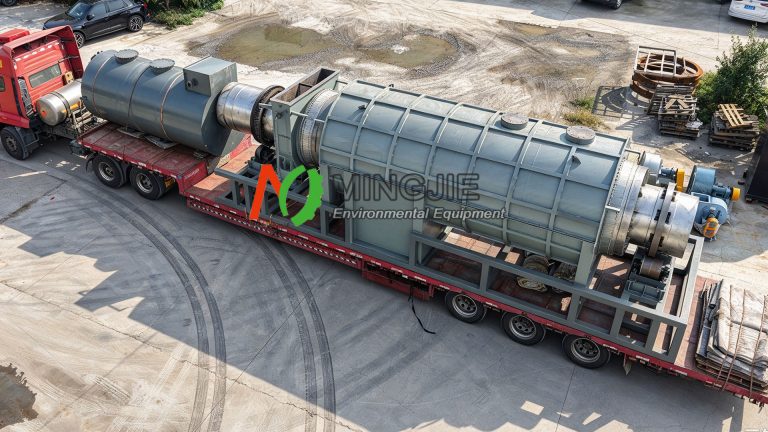
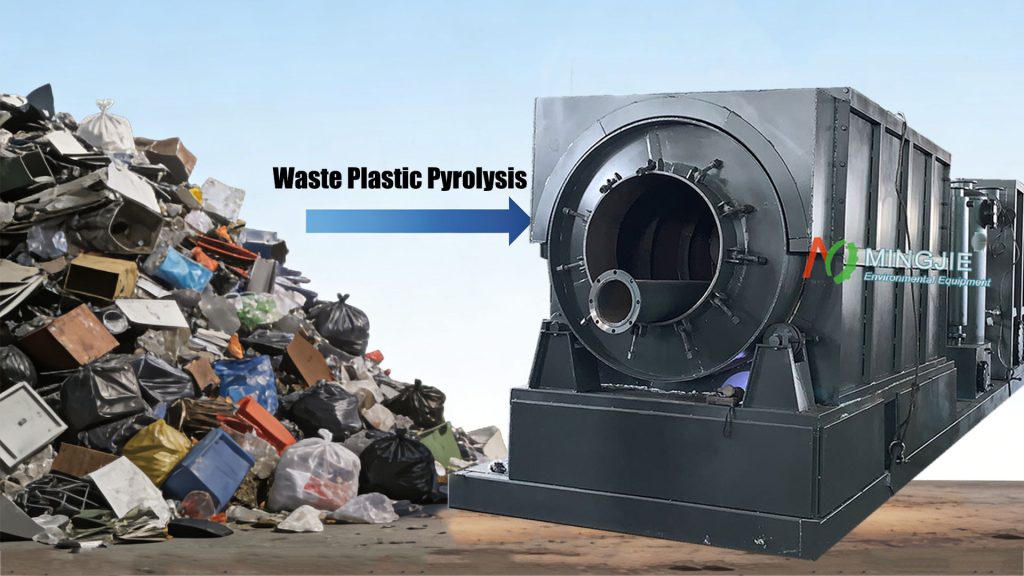
Mingjie Group provides several configurations for different urban reconstruction stages. Batch pyrolysis plants are ideal for smaller projects with lower investment costs. These units process between two and fifteen tons of waste daily. Fully automatic Municipal Solid Waste Pyrolysis Plants handle 30 to 40 tons. Automatic pyrolysis systems run continuously for 24 hours every single day. They include water-cooled slag discharge systems for maximum efficiency. This feature allows high-temperature discharge without waiting for the furnace. Semi-continuous plants offer a balanced solution for medium-sized cities. Skid-mounted or portable designs allow for rapid deployment in remote areas. Such mobility is essential when permanent infrastructure remains heavily damaged. Cities can choose plant sizes based on their specific recovery timeline.
Technical Reliability and Global Standards
Mingjie Pyrolysis Plant Manufacturer offers 20 years of equipment expertise. Their production facility features a 12,000 square meter CNC workshop. All equipment holds both CE and ISO certifications for international quality. The plants include a 12-month guarantee to ensure long-term reliability. This warranty covers all quality issues to protect the local investment. Mingjie has successfully implemented large projects in over 30 countries. Their research team includes senior engineers and environmental specialists. They provide customized solutions for more than 200 global customers. High-quality manufacturing prevents frequent downtime during critical reconstruction phases. Municipal Solid Waste Pyrolysis Plants from proven manufacturers secure the future. Trust in the equipment is vital for large-scale infrastructure deployment.
Economic Viability of Waste to Energy
Investors expect high financial returns from these waste-to-energy projects. Selling fuel oil, carbon black creates a profitable model. Municipal Solid Waste Pyrolysis Plants solve environmental crises while earning revenue. The machines accept dirty materials, so expensive washing is unnecessary. Avoiding the washing process saves water and lowers operational costs. High oil yields from plastic waste maximize the potential project income. Furthermore, these plants turn waste management costs into active profit centers. Economic sustainability ensures the project lasts for many successful decades. Green reconstruction becomes a powerful driver for local economic growth. The circular economy model provides stability for the national recovery. These systems represent a wise investment in the nation’s future.
Green Reconstruction Goals
Integrating these advanced systems is a strategic necessity for Ukraine. Municipal Solid Waste Pyrolysis Plant provides the best path for recovery. They transform the burden of waste into the power of energy. These facilities protect the air, the soil, and the water. They provide the fuel needed to rebuild cities and roads.
The transition to pyrolysis technology marks a new era for Ukraine. Modern infrastructure must prioritize efficiency and environmental safety. These plants represent the future of sustainable urban energy systems. Ukraine can lead the way in green reconstruction using these tools. Every city deserves a clean and energy-independent future. Municipal Solid Waste Pyrolysis Plants make this bright future possible today. We must act now to build a cleaner and stronger nation.