Through a series of regulatory actions, the U.S. EPA is systematically redefining Advanced Recycling of Plastics from waste disposal to secondary raw material production. The EPA currently defines Advanced Recycling uses chemical and thermal treatment processes to break down the polymeric structures of plastics into feedstocks that can be recycled into new products. It classifies technologies such as pyrolysis, gasification, and hydrothermal treatment under the umbrella of advanced plastic recycling. This shift could enable the waste plastic pyrolysis industry to transition from waste management to circular chemical manufacturing.
Advanced Recycling of Plastic Pyrolysis
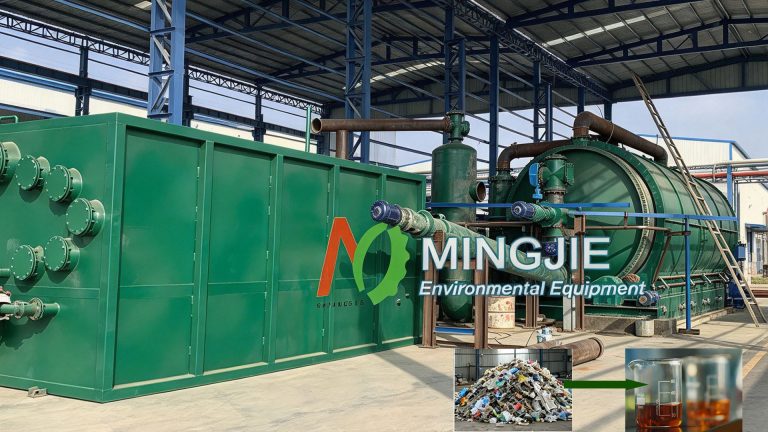
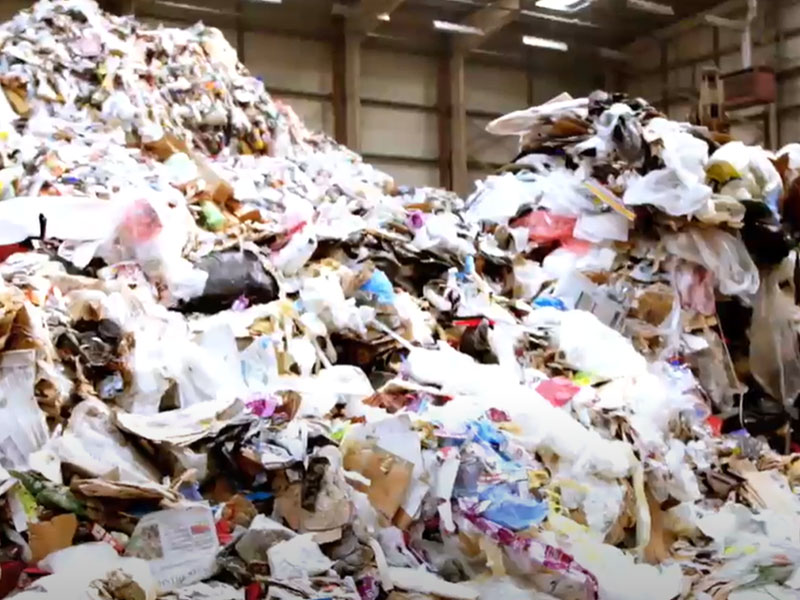
Plastic pyrolysis stands as the leading technological pathway for advanced recycling. Pyrolysis plant can process mixed and heavily contaminated waste plastics, thereby addressing the limitations of traditional mechanical recycling.
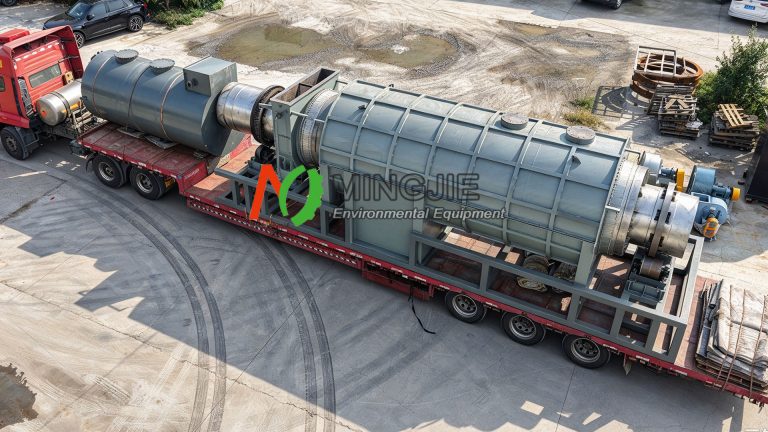
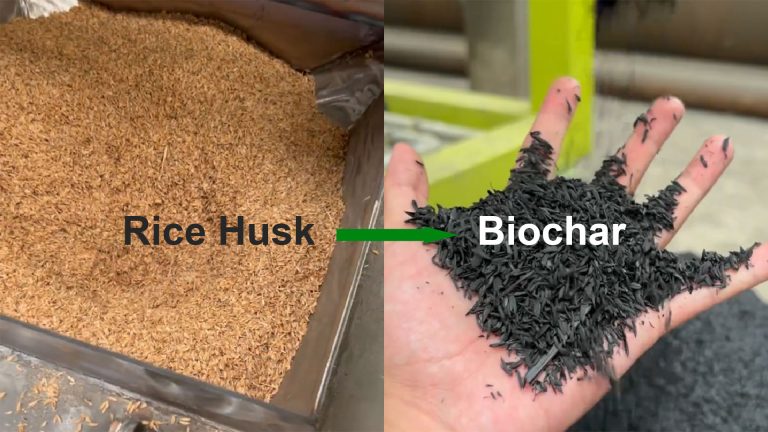
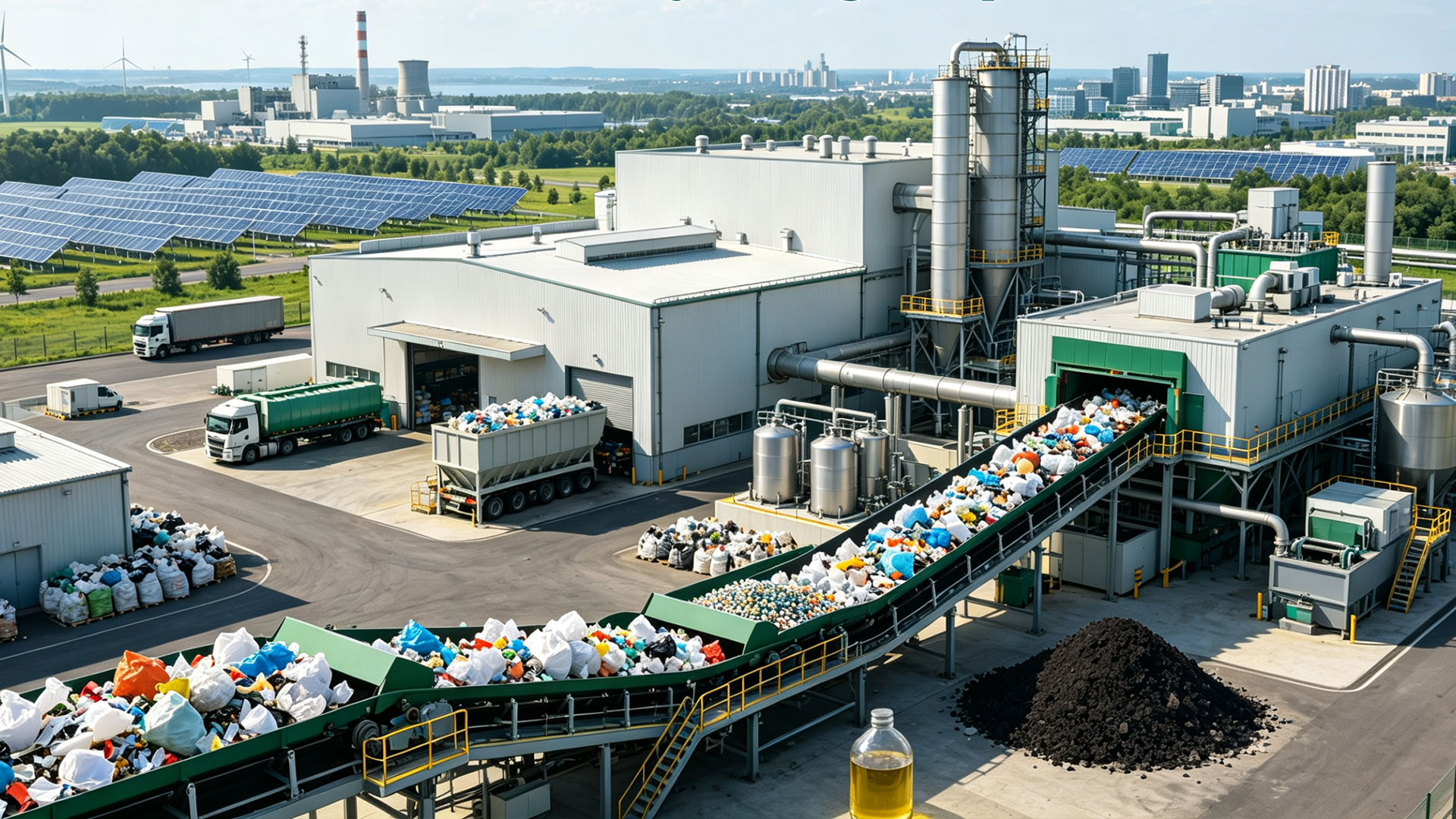
In plastic pyrolysis plant, waste plastics undergo high-temperature treatment (typically 400–800°C) in the absence of oxygen, yielding pyrolysis oil, hydrocarbon gases, and char.
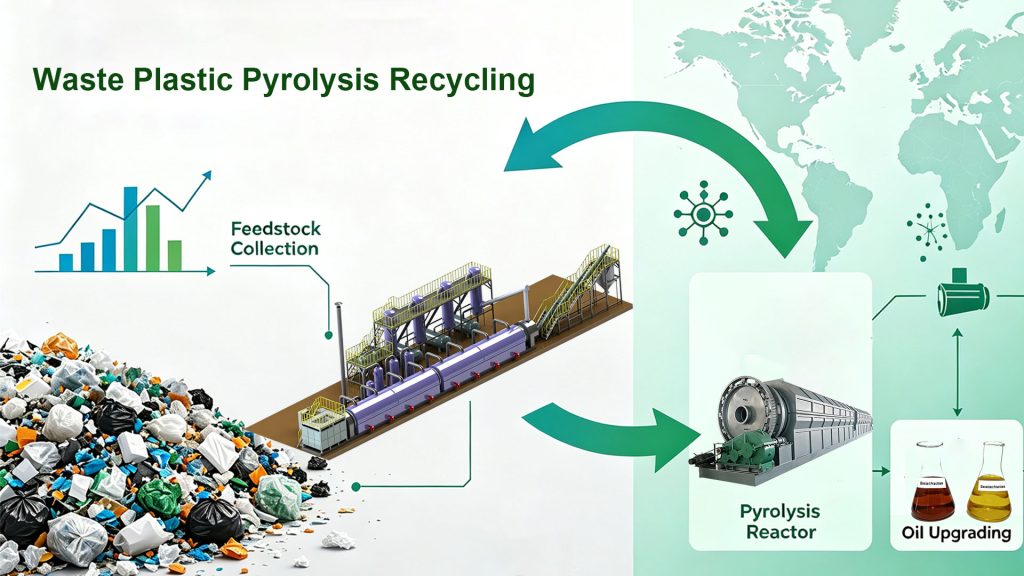
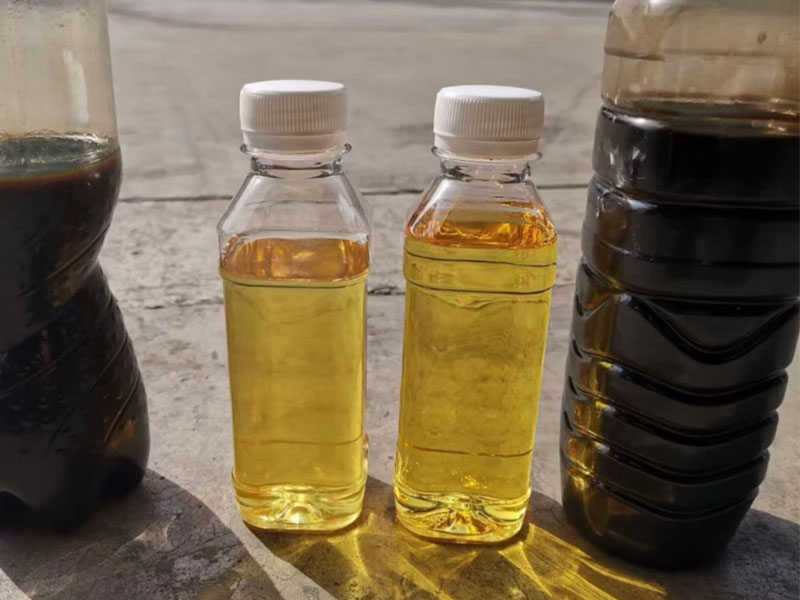
Pyrolysis oil is the primary product of the plastic pyrolysis process. Once refined via distillation plant, it can be converted into diesel fuel. Alternatively, after further purification, plastic pyrolysis oil can serve as a naphtha substitute and be fed into ethylene crackers to be repolymerized into virgin plastic.
Shifts in the Plastic Pyrolysis Industry
For a long time, the U.S. regulatory system classified pyrolysis units as solid waste incinerators, subjecting them to stringent air emission standards for waste incineration. Consequently, plastic pyrolysis projects faced lengthy approval processes and high costs for environmental compliance infrastructure, which significantly hindered commercial implementation.
In a recent proposal, the EPA recommended removing the phrase Pyrolysis Units from the legal definition of Municipal Waste Combustion Units. Once this change is adopted, pyrolysis plants will no longer be classified as incinerators under federal law. EPA Administrator Zeldin has also publicly characterized pyrolysis technology as Reverse Manufacturing rather than incineration, advocating for its scaled-up development through regulatory relief.
Recycled plastics destined for use as feedstock in pyrolysis processes—a form of advanced recycling—are no longer automatically classified as solid waste. Pyrolysis itself is being redefined as a manufacturing process rather than a waste volume reduction or disposal activity.
Once the policy is implemented, plastic pyrolysis plant would no longer be automatically subject to the stringent emission standards applied to waste incinerators. Instead, they would be regulated as standard chemical manufacturing facilities, significantly simplifying the permitting process and reducing environmental compliance and operational costs.
The EPA’s policy rationale is clear: the primary challenge for the plastic circular economy is the lack of economic viability in the recycling sector. By classifying pyrolysis plants as chemical plants rather than waste disposal facilities, companies can access manufacturing tax incentives and financing support. This is expected to attract petrochemical giants and private equity capital, driving the scale-up of the waste plastic resource recovery industry.
Current Status of the U.S. Pyrolysis Industry
The U.S. pyrolysis industry is characterized by a large number of planned projects but few that have actually commenced production, alongside occasional operational shutdowns of large-scale facilities. While dozens of pyrolysis capacity projects are under construction or in the planning stages nationwide, the number of commercial plants achieving stable, long-term operation remains limited.
Freepoint Eco-Systems’ project in Ohio was once considered a benchmark for the plastic pyrolysis industry. Designed to process 80,000 tons of waste plastic annually, it supplied pyrolysis oil to a Shell chemical plant. Although the initial delivery of pyrolysis oil was completed in 2025, operations were ultimately halted due to equipment failures and notices regarding emissions violations.
Summary
Plastic pyrolysis is a technically feasible process supported by a favorable policy outlook. While it serves as a vital complementary solution for waste plastic management, it is not a cure-all for plastic pollution. The commercial scaling of the plastic pyrolysis industry hinges on the implementation of regulations, a stable and low-cost supply of feedstock, and the ability of plants to operate continuously over the long term with low emissions.