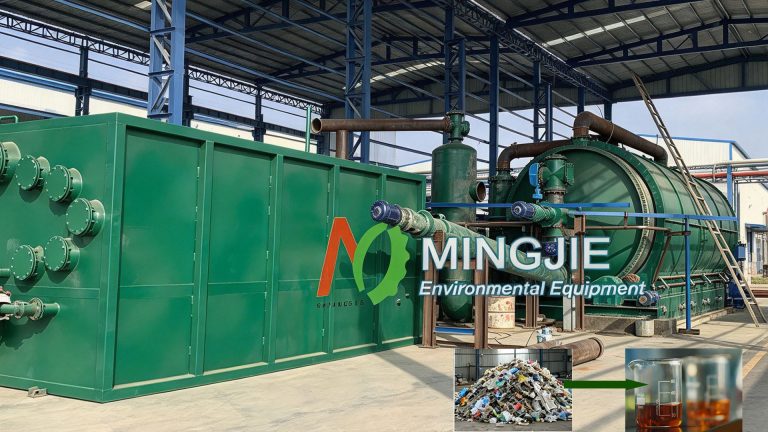
The plastic to oil plant is a recycling facility that uses chemical recycling methods to convert waste plastic into oil, which can be used as fuel or chemical feedstock. Pyrolysis, a mainstream chemical recycling technology, is widely applied for the thermal conversion of waste plastic into oil. Pyrolysis is typically carried out at approximately 400–800°C in the absence of oxygen, yielding pyrolysis oil, syngas, and carbon black.
The plastic to oil plant is also known as plastic pyrolysis plant, it utilizes pyrolysis technology to convert waste plastic into pyrolysis oil. The pyrolysis plant serves as a core industrial facility for the resource recovery of plastics, it is widely used in solid waste treatment and renewable energy sectors.
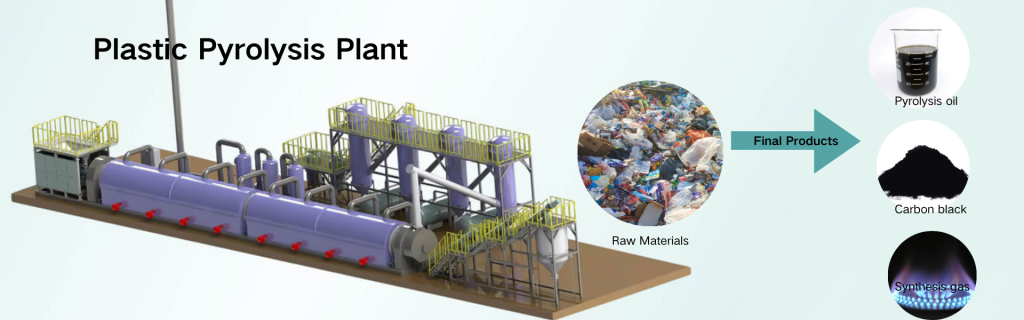
How Can Plastic Be Converted into Oil?
The ability to convert plastic into oil stems from their shared chemical origins, a molecular structure that allows for chain scission, and mature pyrolysis technologies. The essence of converting plastic into oil lies in reversing the polymerization process, using artificial intervention to break down stable, long-chain polymer molecules. Pyrolysis is the core technology behind this process and the fundamental principle of plastic-to-oil conversion. Pyrolysis plants enable the transformation of waste plastic into oil.
Not all plastics are suitable for conversion into oil. PE and PP are composed primarily of carbon and hydrogen. During pyrolysis, they readily yield hydrocarbon gases, liquids, and waxy products, making them the primary feedstocks for plastic pyrolysis oil.
While common PET bottle bodies can also undergo thermal decomposition, their molecular structure contains ester groups and oxygen. Pyrolysis generates significant amounts of oxygenated compounds alongside gases and carbonaceous solids. Consequently, the product composition, purification requirements, and optimal recycling pathways differ from those of PE and PP. For PET bottles with clear origins and minimal contamination, mechanical recycling or depolymerization is generally the preferred treatment method.
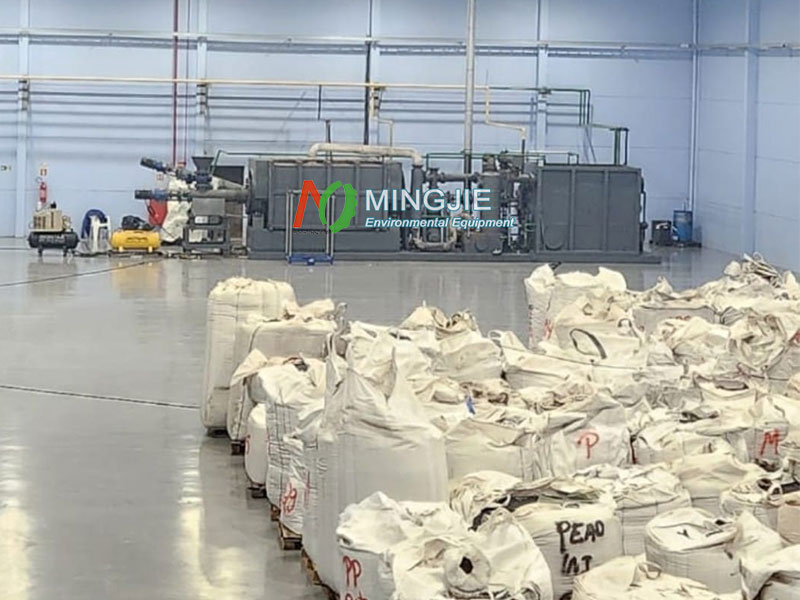
However, caution is required regarding chlorine-containing plastics such as PVC. When heated, they release hydrogen chloride and potentially form other chlorinated compounds, leading to equipment corrosion, catalyst deactivation, and elevated chlorine levels in the pyrolysis liquid. Therefore, pyrolysis facilities must strictly control the content of PVC and other chlorine-bearing materials during feedstock pretreatment. For mixed waste plastics where complete separation is impossible, specialized measures are required, such as pre-dechlorination, corrosion-resistant equipment, and tail-gas purification.
Plastic to Oil Plant for Sale
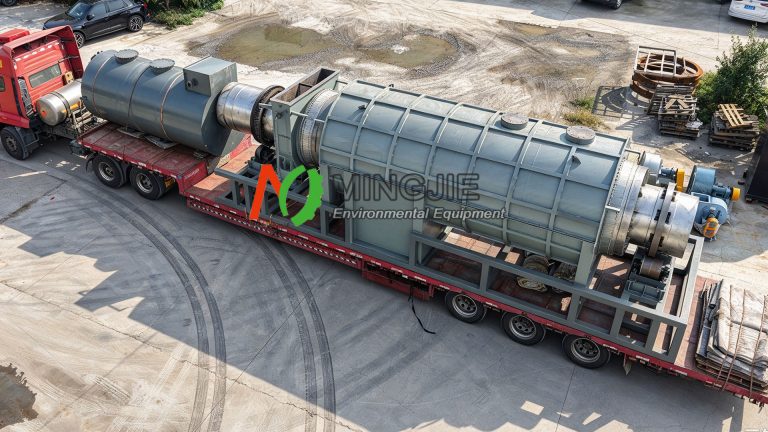
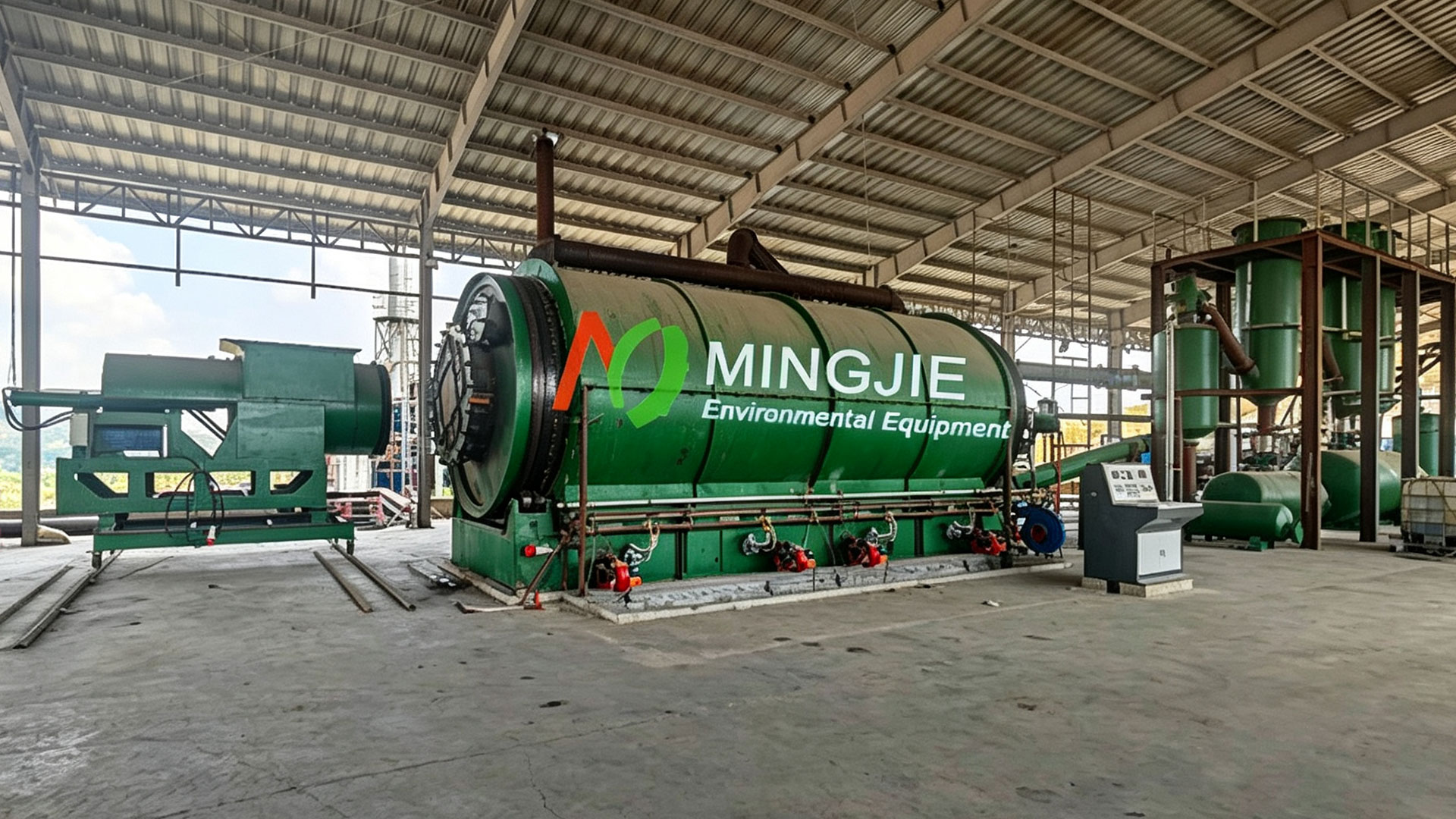
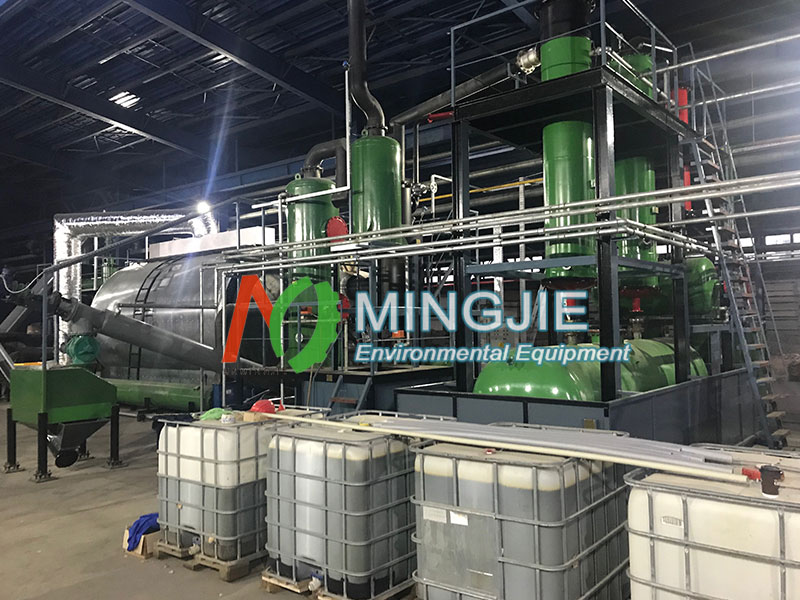
The complete plastic to oil plant operates as a sealed, eco-friendly, and controllable industrial production line. Distinct from rudimentary heating equipment, it enables stable safe plastic to oil production. The plastic to oil plant comprises six core modules: pre-treatment system, pyrolysis reactor, condensation system, tail gas purification system, residue treatment system, and control system. The entire plastic to oil conversion process operates in a closed loop, effectively preventing secondary pollution.
Plastic to oil plant can be categorized into batch pyrolysis plant and continuous pyrolysis plant based on production mode. Batch plastic pyrolysis plant is suitable for small and medium scale processing facilities, offering operational flexibility and lower initial investment. Large scale continuous pyrolysis plant enables uninterrupted, 24-hour production, making it ideal for major solid waste treatment enterprises and industrial-scale projects.
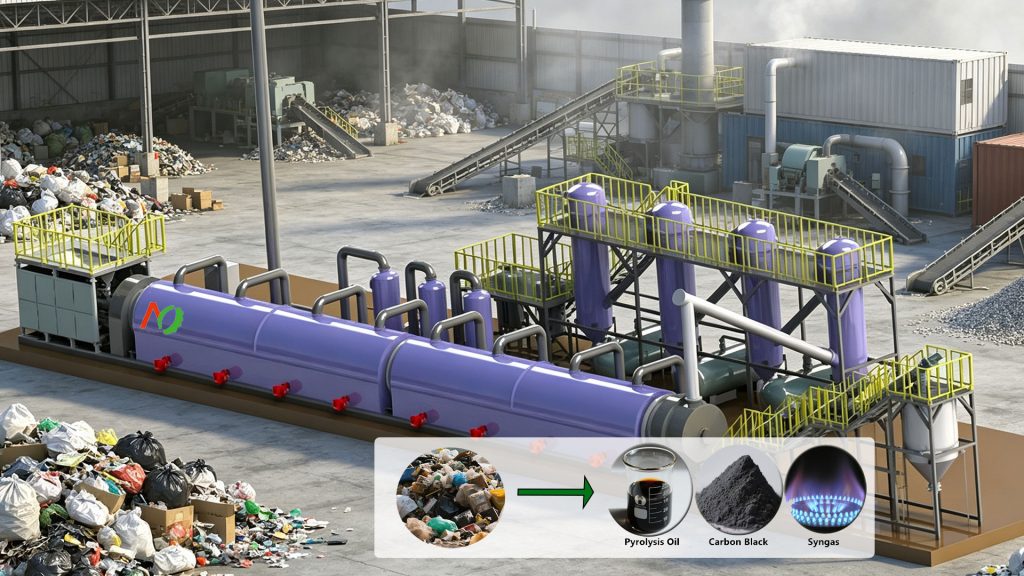
How Pyrolysis Plant Converts Plastic into Oil
Converting plastic into oil is not merely a process of heating and melting. It is a standardized chemical conversion method. The plastic pyrolysis process is fully controllable and yields stable products, comprising three core steps.
The first step is pretreatment. Recovered waste plastics must be sorted to remove impurities and ensure feedstock purity. PE, PP, and PS plastics are ideal feedstocks, offering high oil yields and low impurity levels. Chlorine-containing plastics, such as PVC, must be removed beforehand to prevent the formation of harmful impurities.
The second step is high-temperature pyrolysis. The pretreated plastic is fed into a sealed pyrolysis reactor, where it is heated to 350–450°C in the complete absence of oxygen. Inside the reactor, the plastic undergoes thorough thermal cracking. Long polymer chains break down completely, converting the material into a mixture of oil vapor and gas. This is the most critical stage of the process, directly determining both the oil yield and the quality of the final product.
The third step is condensation and purification. The high-temperature mixture of oil vapor and gas is cooled and liquefied via a condensation system, turning it into crude plastic oil. Subsequent processes—such as fractional distillation, filtration, and purification—separate the mixture into products like light fuel oil and heavy oil. Syngas and carbon black are collected and processed separately. The purified plastic pyrolysis oil can be used directly as industrial fuel oil. Furthermore, after processing in a distillation plant, the pyrolysis oil can meet the standards for diesel or gasoline.
Applications of Plastic Pyrolysis Oil
Raw Pyrolysis Oil: Untreated raw pyrolysis oil contains significant impurities, exhibits a high acid value, and shows large fluctuations in viscosity. Its primary consumption channels are concentrated in heavy industry. Raw pyrolysis oil can serve as a fuel substitute for heavy oil or coal, supplying industrial kilns and boilers in sectors, such as steel, cement, and ceramics manufacturing.
Refined and Modified Diesel: Following rectification and refining, the pyrolysis oil can be used in low-speed, heavy-duty machinery such as excavators, loaders, harvesters, and tractors. Once the product undergoes deep hydro-purification and meets automotive diesel standards, it can be blended with conventional diesel fuel.
High-value-added Chemical Feedstocks: Refined pyrolysis oil can be further fractionated and purified to yield basic chemical monomers, such as ethylene, propylene, benzene, and toluene. These feedstocks can then be repolymerized and processed into brand-new plastic pellets.
Other Auxiliary Applications: Modified heavy pyrolysis oil can be added to road asphalt as a modifier, enhancing the pavement’s resistance to high temperatures and cracking. Purified light fractions can also serve as industrial cleaning agents and solvents for coatings.