A common misconception dominates the biomass carbon removal market: producing biochar through pyrolysis does not automatically qualify a project for carbon credits. In the early stage of the voluntary carbon market (VCM), many stakeholders believed that deploying biomass carbonization equipment and generating biochar was sufficient to obtain tradable carbon removal certificates. However, as global carbon market standards mature, international buyers, institutional investors, and mainstream carbon registries including Verra, Gold Standard, and Puro.earth have eliminated “Output-based crediting” logic.
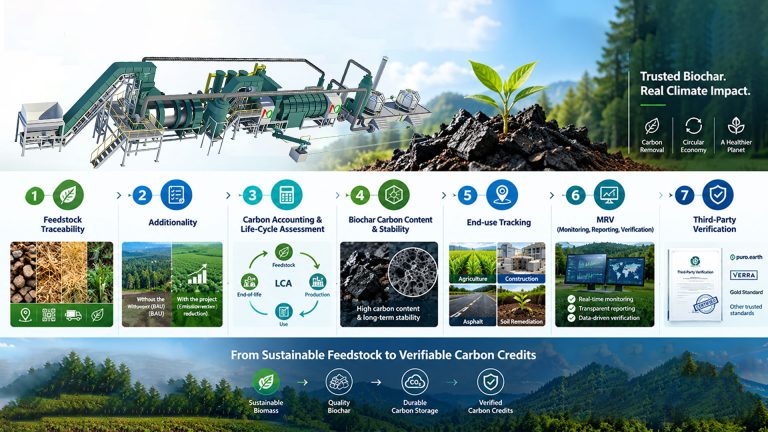
Today, biochar carbon credits value and eligibility rely entirely on full-chain scientific verification, transparent data traceability, and rigorous climate integrity. Only projects that meet strict criteria for feedstock sustainability, additionality, life-cycle carbon accounting, biochar durability, end-use supervision, and third-party MRV verification can generate high-quality, tradable Carbon Dioxide Removal (CDR) credits.
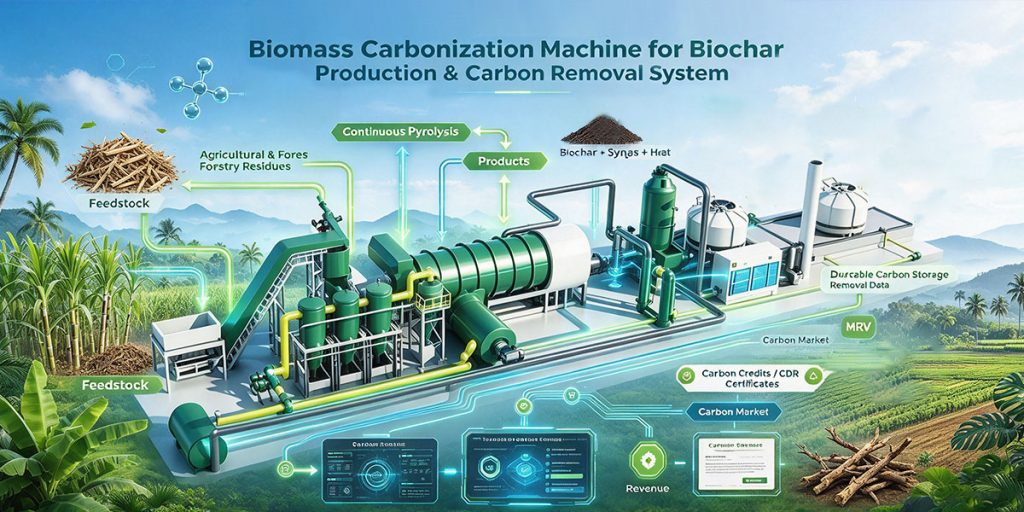
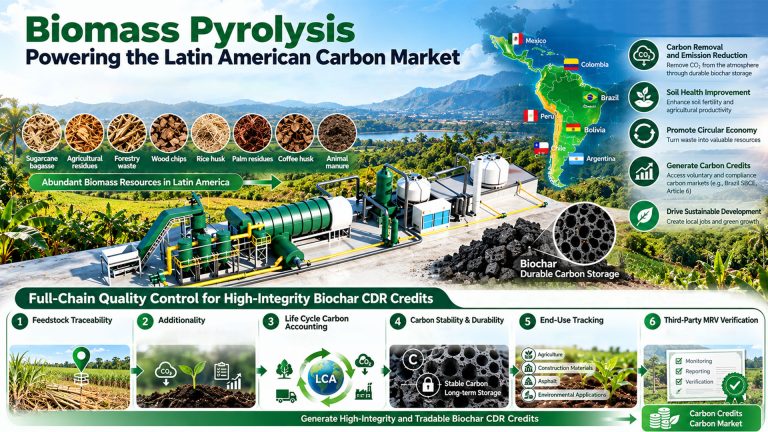
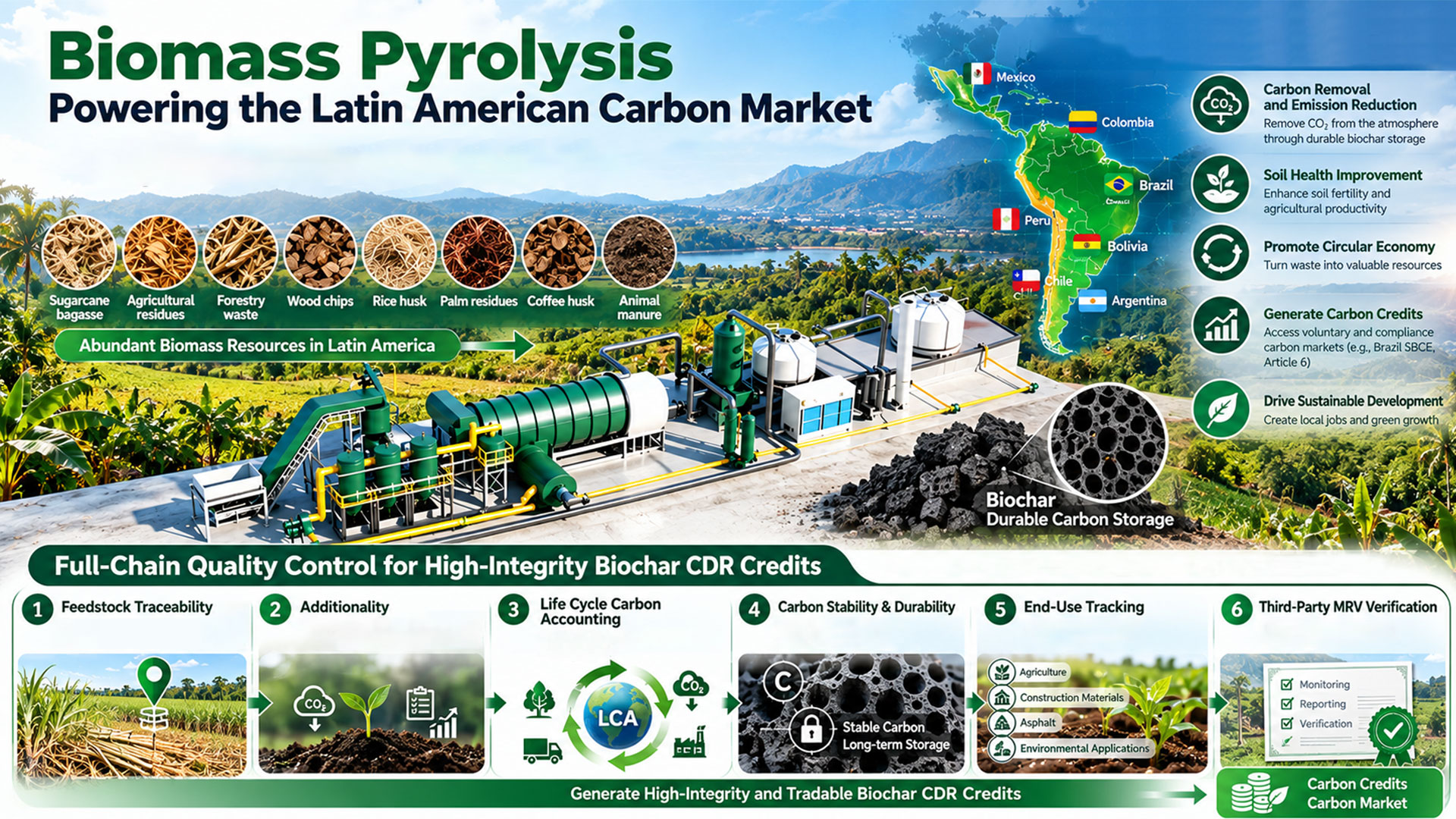
This paradigm shift is reshaping biomass pyrolysis carbonization project development, especially in high-potential regions such as Latin America, where market standardization is rapidly overtaking simple production capacity expansion.
Full-Chain Quality Control for High-Integrity Biochar CDR Credits
Feedstock Traceability: A Fundamental Prerequisite for Biochar Carbon Credits
All compliant biochar carbon credit systems begin with verifiable feedstock traceability. Biochar carbon markets strictly prohibit the issuance of credits derived from old-growth forest biomass, materials that compete with food crops for resources, or unsustainably harvested resources, as these sources can lead to ecological leakage and undermine net climate benefits.
For projects in Latin America relying on feedstocks such as sugarcane bagasse, coffee husks, palm waste, and thinning residues from forest management, comprehensive traceability documentation is mandatory. Project developers must record feedstock origins, collection boundaries, annual production volumes, waste disposal baselines, and chain-of-custody data. Each batch of biomass must be proven to be genuine agricultural or forestry waste, rather than illegally logged timber or biomass from dedicated plantations that threaten local food security and biodiversity.
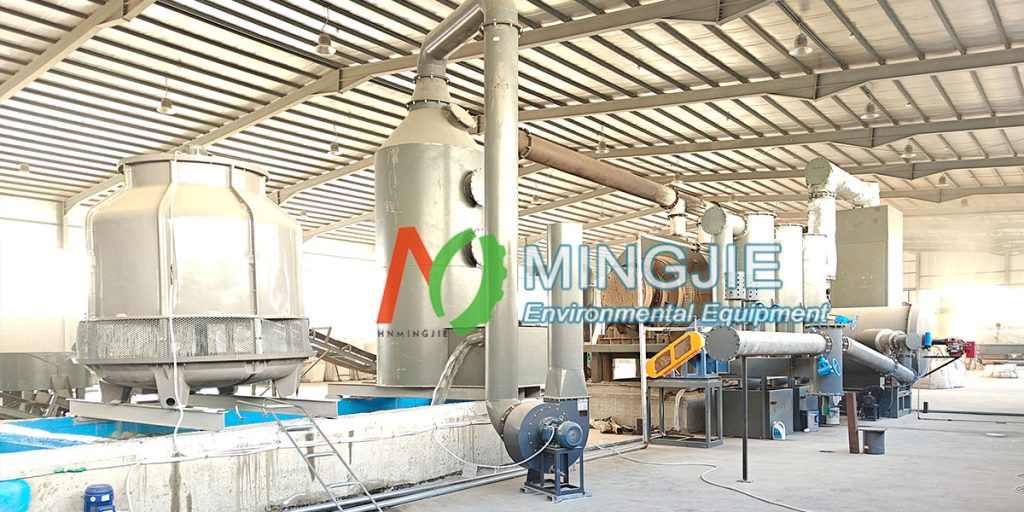
Without standardized traceability records, biochar—the product of biomass pyrolysis—cannot be recognized as an eligible carbon removal material. Even with the use of advanced continuous biomass pyrolysis plant, a project risks having its credits rejected if its sustainability credentials remain unclear.
Additionality: Demonstrating that carbon finance drives substantive climate action
Additionality is one of the most rigorously scrutinized principles in modern carbon markets. A biochar project demonstrates additionality only if the carbon removal activity would not have occurred without the incentive provided by carbon revenues.
In Latin America, agricultural and forestry waste is traditionally burned or left to decompose naturally, releasing significant amounts of greenhouse gases. Project developers must demonstrate that these conventional waste disposal methods constitute the “Business-as-Usual” (BAU) baseline. In contrast, biomass pyrolysis and durable carbon sequestration represent new, incremental climate interventions made possible by carbon credit revenue.
Biochar carbon credits are issued only to projects verified as additional, thereby effectively filtering out climate claims that lack incrementality or integrity.
Rigorous Carbon Accounting and Life Cycle Assessment (LCA)
Modern biochar carbon credit systems employ a life cycle-based approach to carbon accounting. This entails evaluating carbon emissions and sequestration across every stage of the process—from biomass collection, transportation, pyrolysis energy consumption, and equipment operational emissions to biochar storage and application.
Net Carbon Removal = Total Biogenic Carbon Sequestration − Total Life Cycle Greenhouse Gas Emissions.
For biomass pyrolysis projects in Latin America, factors such as the transport distances for dispersed agricultural waste, on-site fuel consumption, and equipment energy efficiency directly impact the final net carbon credit yield. Projects must compile standardized Life Cycle Assessment (LCA) reports in accordance with international climate frameworks to prevent exaggerated claims regarding carbon removal.
Even if two units produce the same quantity of biochar, the volume of tradable carbon credits they generate may differ significantly due to variations in their life cycle emission footprints.
Biochar Carbon Content & Durability: Core Scientific Metrics for Measuring CDR Quality
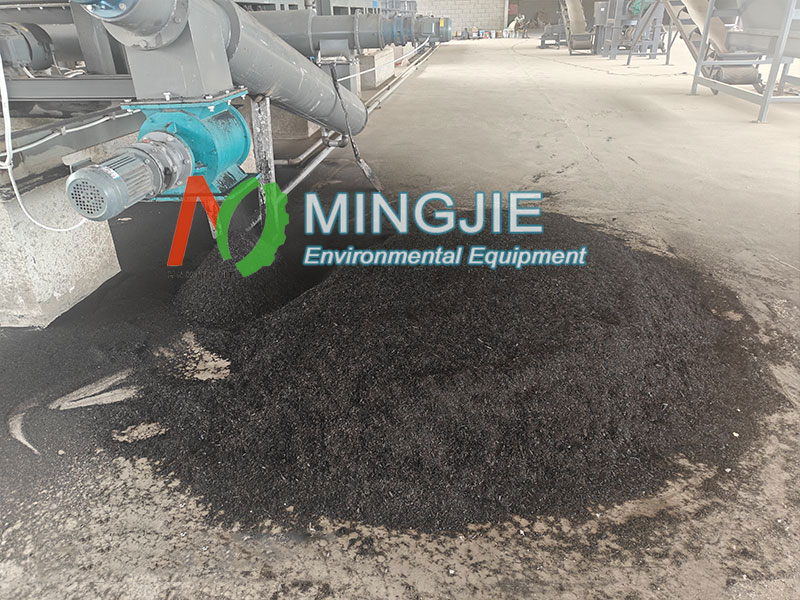
The core value of biochar carbon credits lies in the material’s capacity for durable, long-term carbon sequestration, rather than merely its status as a solid product. International standards mandate rigorous physicochemical testing of finished biochar, focusing on two critical indicators: total carbon content and environmental stability.
High-quality biochar intended for carbon removal must possess a high carbon concentration and a stable aromatic molecular structure, while maintaining low hydrogen-to-carbon (H/C) and oxygen-to-carbon (O/C) ratios to ensure resistance to microbial decomposition and oxidation. Only carbon capable of remaining stably sequestered in soil or a carrier medium for decades—or even centuries—qualifies as genuine Carbon Dioxide Removal (CDR).
The ancient “Terra Preta” (black earth) of the Amazon basin, which has sequestered carbon for over 7,000 years, provides compelling scientific evidence of biochar’s long-term persistence in tropical Latin American environments.
If the pyrolysis process used to produce biochar is unregulated, the resulting carbon structure is often unstable, making it highly susceptible to rapid decomposition and carbon release. Such products cannot generate durable carbon credits. Instead, they are classified merely as low-value soil amendments and do not command a climate premium.
End-Use Tracking: Establishing a Complete Carbon Sequestration Closed Loop
A significant shift in current carbon market rules is the implementation of mandatory, end-to-end tracking of biochar’s final application. Previously, carbon credits were issued immediately upon production. Now, verified carbon sequestration outcomes are confirmed only after standardized field application and long-term monitoring.
Project developers are required to document biochar application sites, soil conditions, application methods, and data regarding long-term carbon stability.
In the context of Latin American plantations, end-use monitoring completes the verification loop for carbon removal efficacy. Without post-production verification of end-use, biochar is treated merely as a standard industrial product rather than a verified carbon sink.
Standardized MRV and Independent Third-Party Verification
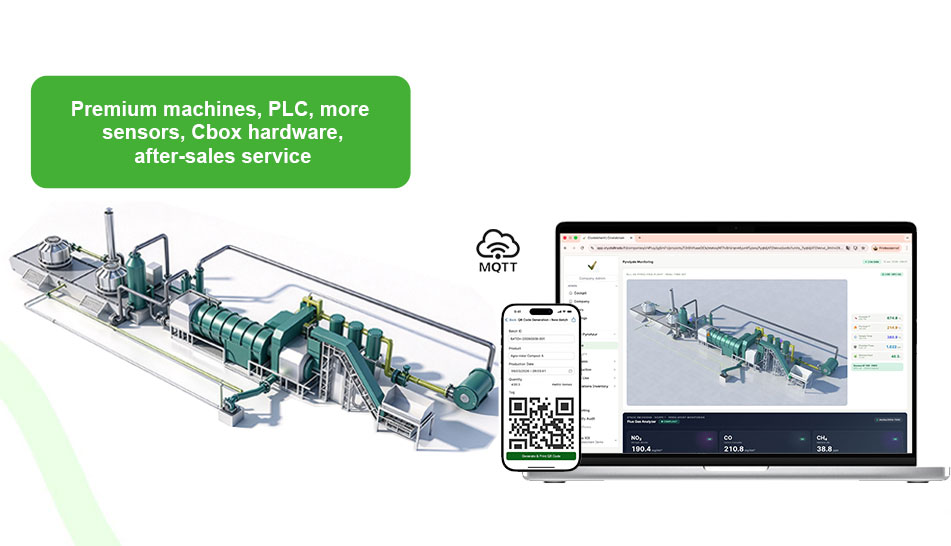
The MRV (Monitoring, Reporting, and Verification) mechanism serves as the institutional safeguard ensuring the credibility of biochar carbon credits, and acts as a core entry threshold for linking the output of biomass pyrolysis plant to carbon market trading. Modern, high-integrity biochar projects rely on dMRV systems to automatically record operational data, including feedstock throughput, pyrolysis temperatures, production duration, biochar yield, and energy consumption.
All operational data must be traceable and tamper-proof, and subject to audits by third-party organizations. Before biochar carbon credits are approved and issued, independent verification bodies must conduct on-site inspections, cross-check data, and assess compliance.
For Latin American carbon markets currently undergoing standardization upgrades, robust MRV capabilities and third-party certification are crucial for securing high-premium international pricing. Certified biochar carbon credits can be traded on global voluntary carbon markets (VCM) and integrated into the EU’s carbon removal certification framework. Conversely, uncertified biochar projects are restricted to regional markets with low liquidity and suffer significant value depreciation.
The New Market Value Logic for Latin American Biochar Projects
New global carbon credit rules have fundamentally reshaped the competitiveness logic for biomass pyrolysis projects in Latin America. The large scale biochar production equipment does not equate to carbon credit yield, nor does biochar output automatically translate to carbon market value.
A project’s core competitiveness no longer hinges on biochar production volume, but rather on the robustness of its end-to-end credibility framework. This includes sustainable and traceable feedstocks, verified additionality, scientifically rigorous net Life Cycle Assessment (LCA) accounting, stable carbon sequestration, traceable end-uses, and standardized third-party MRV (Measurement, Reporting, and Verification).
While Latin America possesses exceptional biomass resource advantages, only projects that meet high global carbon mechanism standards can transform agricultural waste assets into high-premium Carbon Dioxide Removal (CDR) assets.