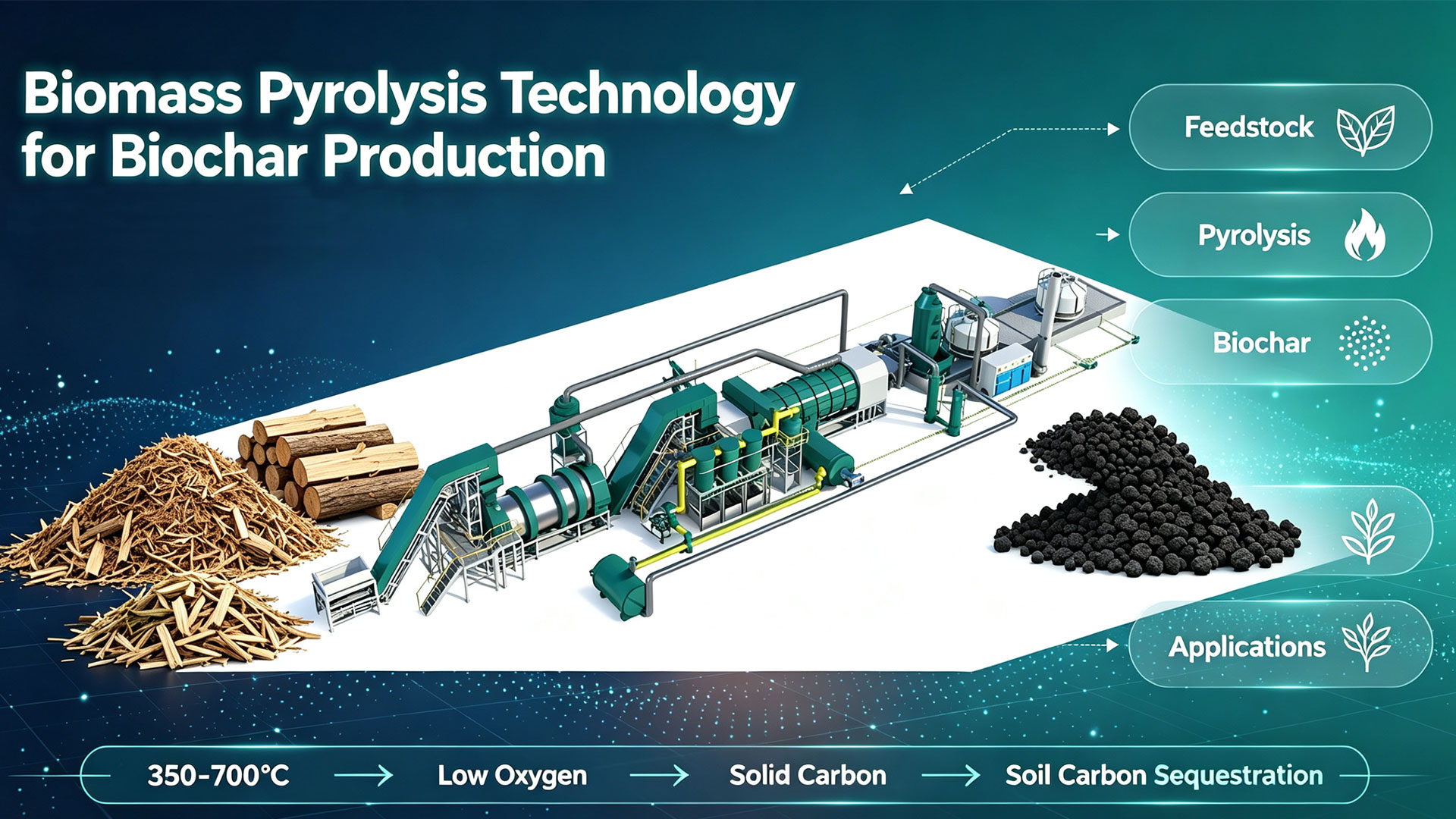
Biomass pyrolysis technology is a mature and relatively simple method for producing biochar, and it is the most widely used. Biochar is produced by heating biomass at high temperatures (300-700 degrees Celsius) in an anaerobic or low-oxygen environment. During this pyrolysis carbonization process, biomass decomposes into three products: solid (biochar), liquid (bio-oil), and gaseous (combustible gas).
Studies have found that increasing the pyrolysis temperature generally results in biochar with larger pore sizes and higher specific surface areas. Excessively high heating rates promote the decomposition of biomass into volatile components, reducing the yield of pyrolyzed biochar. Compared to the residence time at heating temperature, increasing the pyrolysis temperature has a greater impact on the specific surface area of biochar.
Biomass pyrolysis techology generally employs slow pyrolysis. The resulting biochar often has a higher carbon content, lower moisture content, and a more developed pore structure. This gives biochar better stability, a higher pH value, and stronger adsorption capacity, making it an ideal soil conditioner or environmental remediation material.
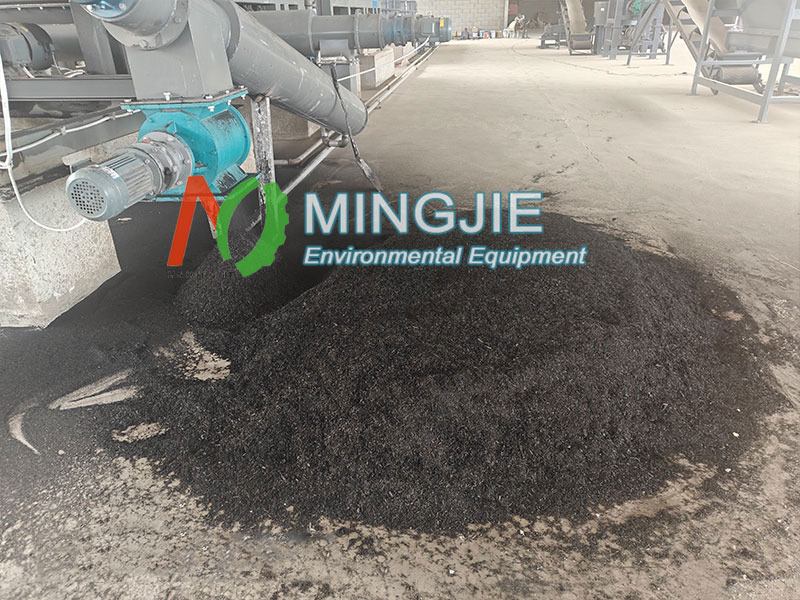
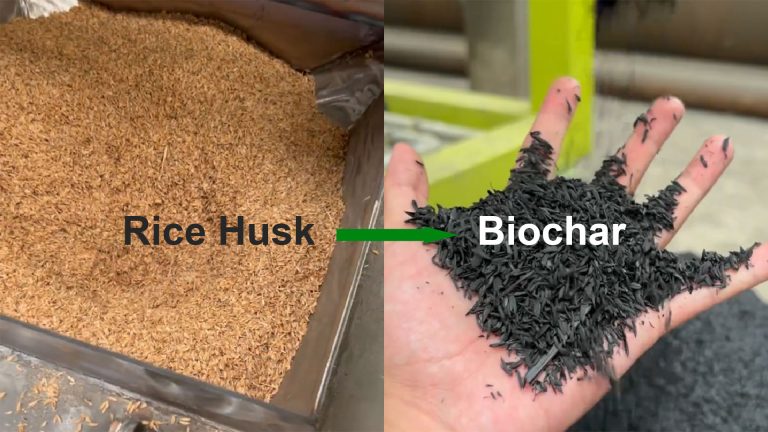
Biochar from waste biomass pyrolysis is widely used in agricultural production as a soil conditioner, improving soil fertility and water and fertilizer retention. Furthermore, it can be used for greenhouse gas emission reduction and energy recovery.
Common Biochar Production Methods
Biochar production methods can be broadly categorized into two types: thermochemical conversion (pyrolysis) and hydrothermal carbonization. Among these, biomass pyrolysis technology is the most widely used. The choice of method depends primarily on the characteristics of the biomass feedstock (especially moisture content) and the target biochar product (whether to maximize specific surface area or use it as fuel).
Biomass Pyrolysis Technology
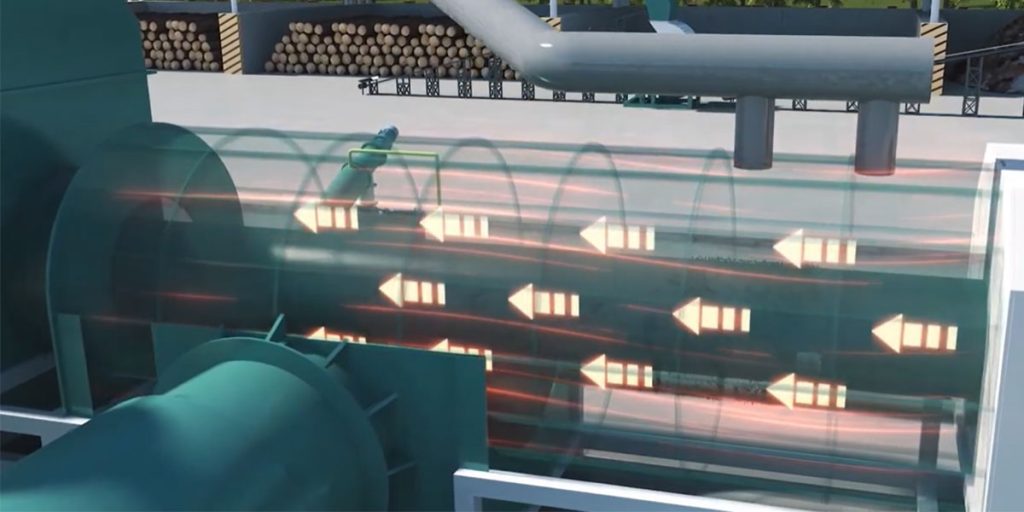
Biomass pyrolysis carbonization typically involves heating at 300-700℃ under limited oxygen conditions for anywhere from half an hour to several hours. Biomass pyrolysis technology is suitable for processing dry raw materials. It can produce biochar with a high specific surface area and porous structure, suitable for adsorption and soil improvement.
Hydrothermal Carbonization Technology
Hydrothermal carbonization typically maintains heating at 150-300℃, resulting in relatively low energy consumption. Hydrothermal carbonization does not require pre-drying and involves relatively low reaction temperatures. It is particularly suitable for processing wet feedstocks. Hydrothermal biochar typically retains many of the original biomass structural characteristics, exhibiting high water content and low porosity.
How to Choose the Appropriate Method for Biochar Production
We can choose the appropriate method for biochar production based on the raw materials and products.
Wet/Dry Biomass Raw Materials
For wet raw materials, hydrothermal carbonization is preferred. Hydrothermal carbonization is specifically designed for organic waste with high humidity and high water content.
For dry raw materials, pyrolysis is the preferred method. Pyrolysis carbonization is more suitable for dry, low-moisture raw materials, such as dry straw, sawdust, dried fruit shells, and dry biomass powder.
Target Biochar Products
If the biochar is intended for use as a high-performance adsorbent or soil conditioner, biomass pyrolysis technology is the primary method.
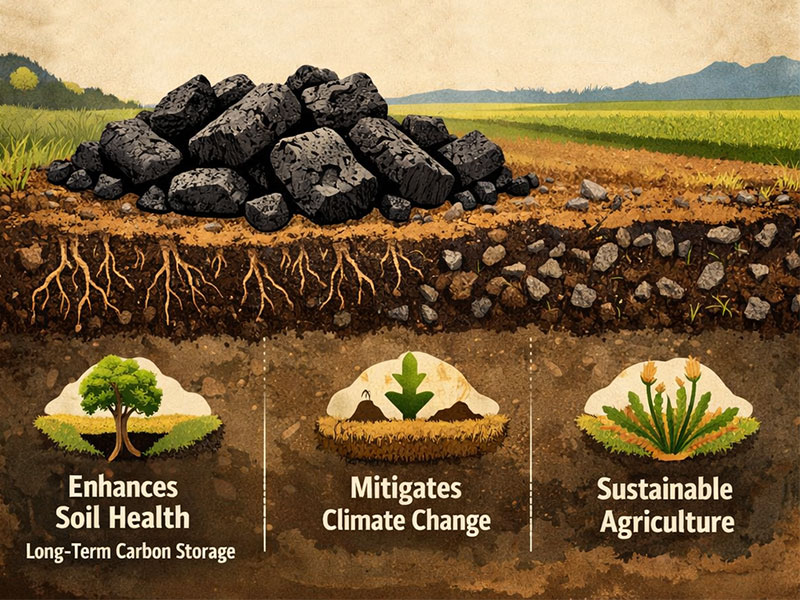
Biochar by biomass pyrolysis is highly stable and has a well-developed porosity. It is a mainstream technology for agricultural carbon sequestration and environmental remediation. Biochar from waste biomass pyrolysis technology is mainly used in soil carbon sequestration, heavy metal adsorption, water pollutant treatment, carbon-based electrode materials, and solid fuel preparation.
If the goal is to produce solid/gaseous fuels, hydrothermal carbonization should be the main consideration.
The resulting hydrothermal carbon has abundant active functional groups and is easily functionalized and modified. It is suitable for small- to medium-scale, refined resource utilization. Hydrothermal carbon is widely used in the preparation of functional carbon materials, energy storage electrodes, catalyst supports, and soil conditioners.
Cost of Biochar Production Equipment
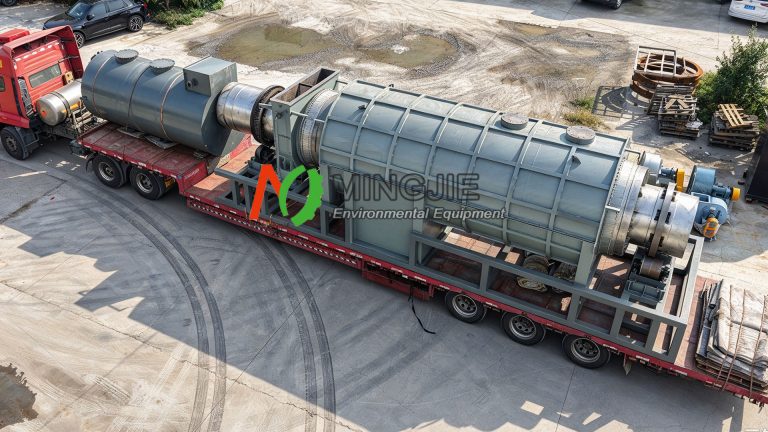
Biomass carbonization plant uses a conventional atmospheric pressure furnace. It has a simple structure, mature technology, and low cost for large-scale biochar production.
Hydrothermal carbonization requires a high-pressure, sealed reactor, demanding high pressure resistance and sealing capabilities. This results in higher equipment and maintenance costs, and the reaction generates organic wastewater. A wastewater treatment system is required, increasing subsequent operating costs.