Beverage Cans Depainting Machine

Beverage Cans Depainting Machine

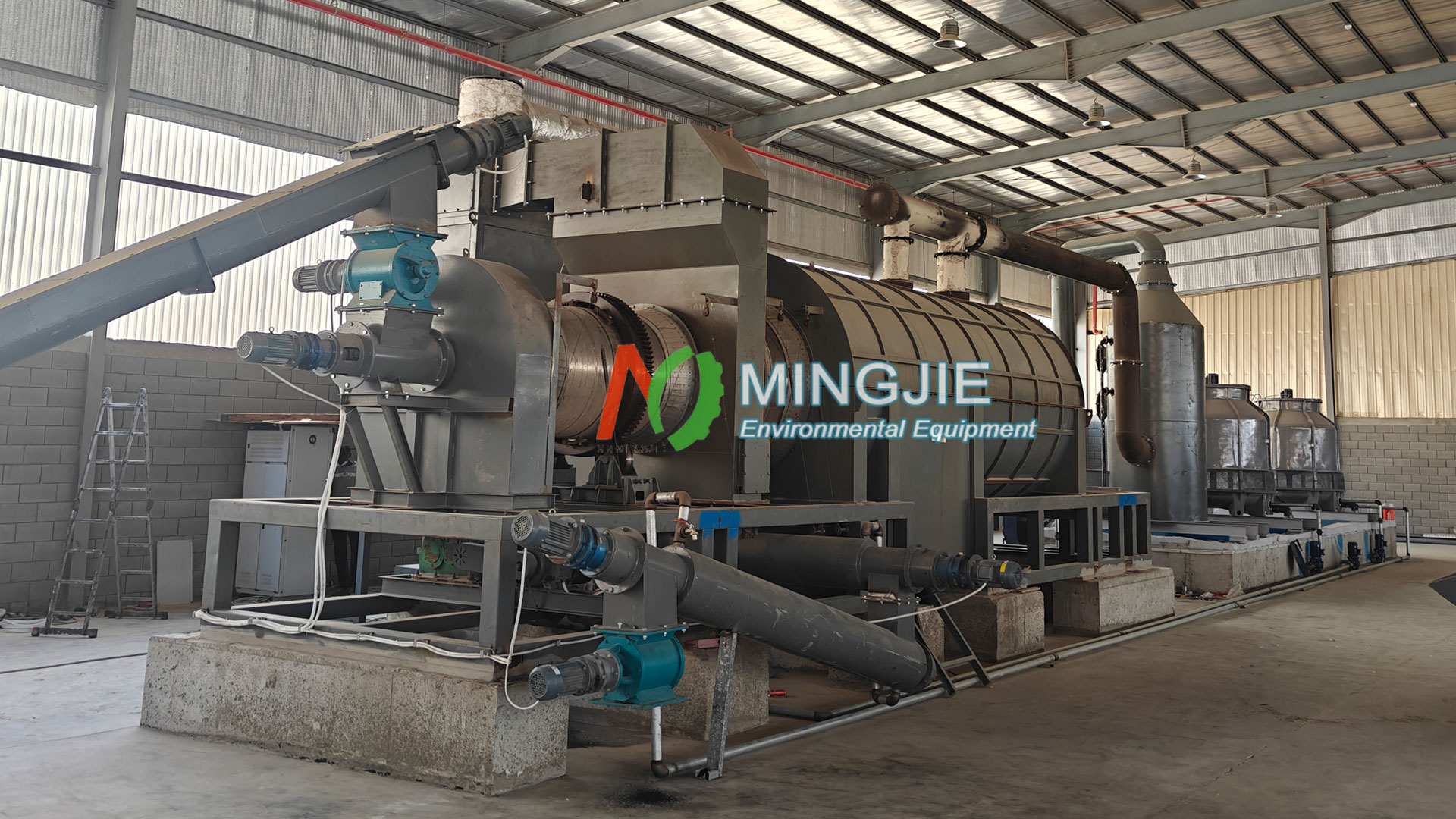
The beverage cans depainting machine utilizes pyrolysis technology, eliminating the need for chemical reagents throughout the process. Furthermore, in an oxygen-free or low-oxygen pyrolysis environment, the gases produced by paint decomposition are primarily recyclable pyrolysis gases. After purification, these gases can be reused as fuel, significantly reducing harmful emissions. The pyrolysis machine for beverage cans … Read more

Waste Wind Turbine Blade Pyrolysis

Wind Turbine Blade Pyrolysis System

Pyrolysis has emerged as one of the most promising methods for the sustainable treatment of waste wind turbine blades (WWTBs). This is because it effectively recovers high-value products (glass fiber) and generates pyrolysis gas and pyrolysis oil, thereby reducing landfill space waste and harmful emissions. Compared to other end-of-life treatment methods, waste wind turbine blade … Read more

Waste Printed Circuit Board PCB Pyrolysis

PCB Pyrolysis

Printed circuit board PCB pyrolysis has environmental advantages, while simultaneously utilizing resources such as metals and resins from waste circuit boards. Pyrolysis technology allows for the large-scale processing of waste circuit boards, reducing secondary pollution while recovering resources. PCB pyrolysis involves heating circuit boards under anaerobic or oxygen-deficient conditions, causing organic polymers to decompose and … Read more

Wind Turbine Blade Recycling

Wind Turbine Blade Recycling

Pyrolysis offers a more advanced method for wind turbine blade recycling. Wind turbine blade pyrolysis involves heating and decomposing organic matter under anaerobic conditions. It can recover glass fibers while converting resins into oil, gas, or solid char, the latter of which can be used as energy. Behind the booming wind power industry, the challenge … Read more

Biochar Market CDR Credits in 2025

Biochar CDR Credits

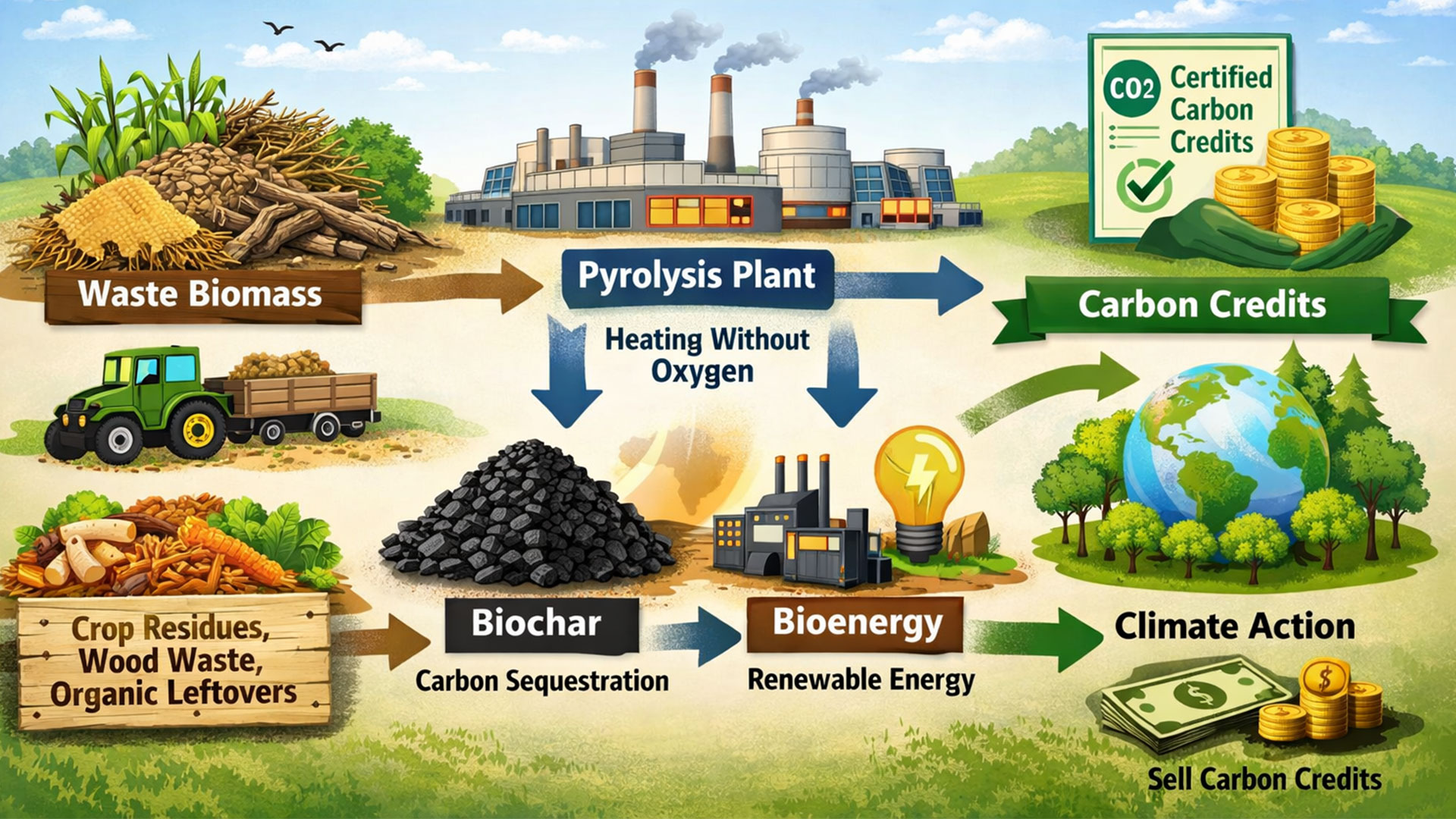
The industrial biochar CDR market is tightening at an unprecedented pace. According to new data from the carbon removal market, 89% of biochar CDR credits have been committed by 2025, compared to just 62% in March. The latest analysis shows that buyers are scrambling to secure high-quality credits as demand surges while supply lags behind … Read more

Hazardous Waste Treatment by Pyrolysis Technology

Hazardous Waste Treatment

Advanced hazardous waste treatment technologies, including physical, chemical, and thermal processes, are transforming the landscape of waste management. Regulatory policies emphasizing waste reduction, recycling, and sustainable disposal practices are driving market growth. Governments worldwide are implementing stricter regulations to minimize environmental impact, leading to increased demand for hazardous waste treatment solutions. Compared to direct incineration, … Read more

Solid Waste Pyrolysis Equipment: Turning Waste into Treasure

Solid Waste Pyrolysis Equipment

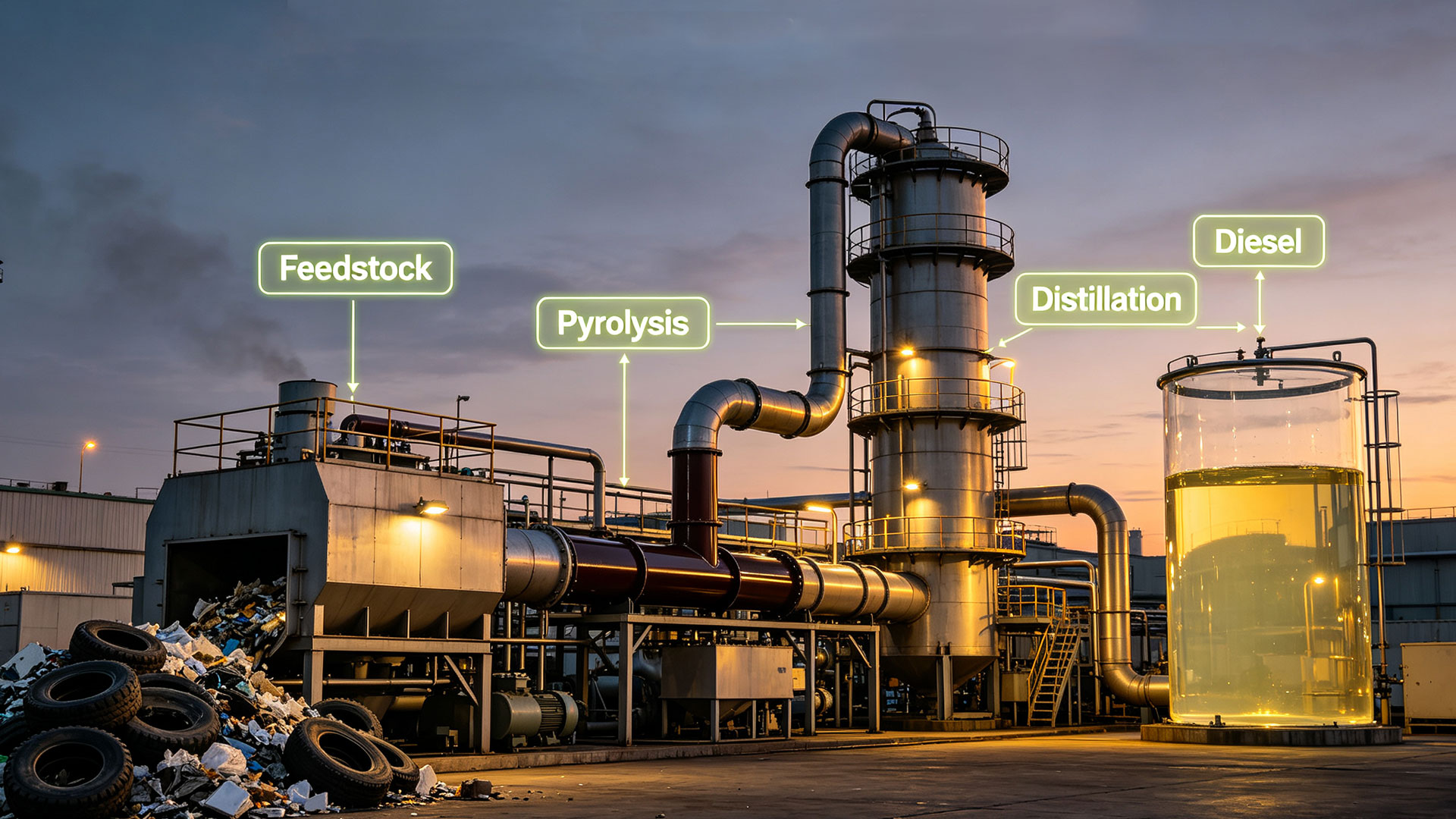
Faced with the surge in solid waste production and the severe pollution caused by traditional treatment methods, pyrolysis equipment has garnered significant attention as a green solution that turns waste into valuable resources. Solid waste pyrolysis equipment decomposes waste at high temperatures in an anaerobic or oxygen-deficient environment. It can convert organic matter into pyrolysis … Read more

Plastic Pyrolysis Plants in Europe

Plastic Pyrolysis Plants in Europe

Plastic pyrolysis plants have become key equipment for Europe in dealing with 29 million tons of plastic waste annually. They are particularly well-suited for processing contaminated and film plastics that are difficult to recycle mechanically. Plastic pyrolysis plants in Europe have an annual capacity of 150,000 tons of plastic-derived pyrolysis oil. Another 300,000-ton-per-year pyrolysis plant … Read more

Differences Between Making Biochar and Biocoal

Making Biochar and Biocoal

Making biochar and biocoal both use biomass as raw materials, but they differ in their core purpose, production process, and end-use applications. The appearance of biochar is more diverse, with common forms being powder, blocks, or irregular granules. It is generally pure black with a metallic luster. Biochar focuses on the “carbon,” aiming to improve … Read more

Get A Free Quote