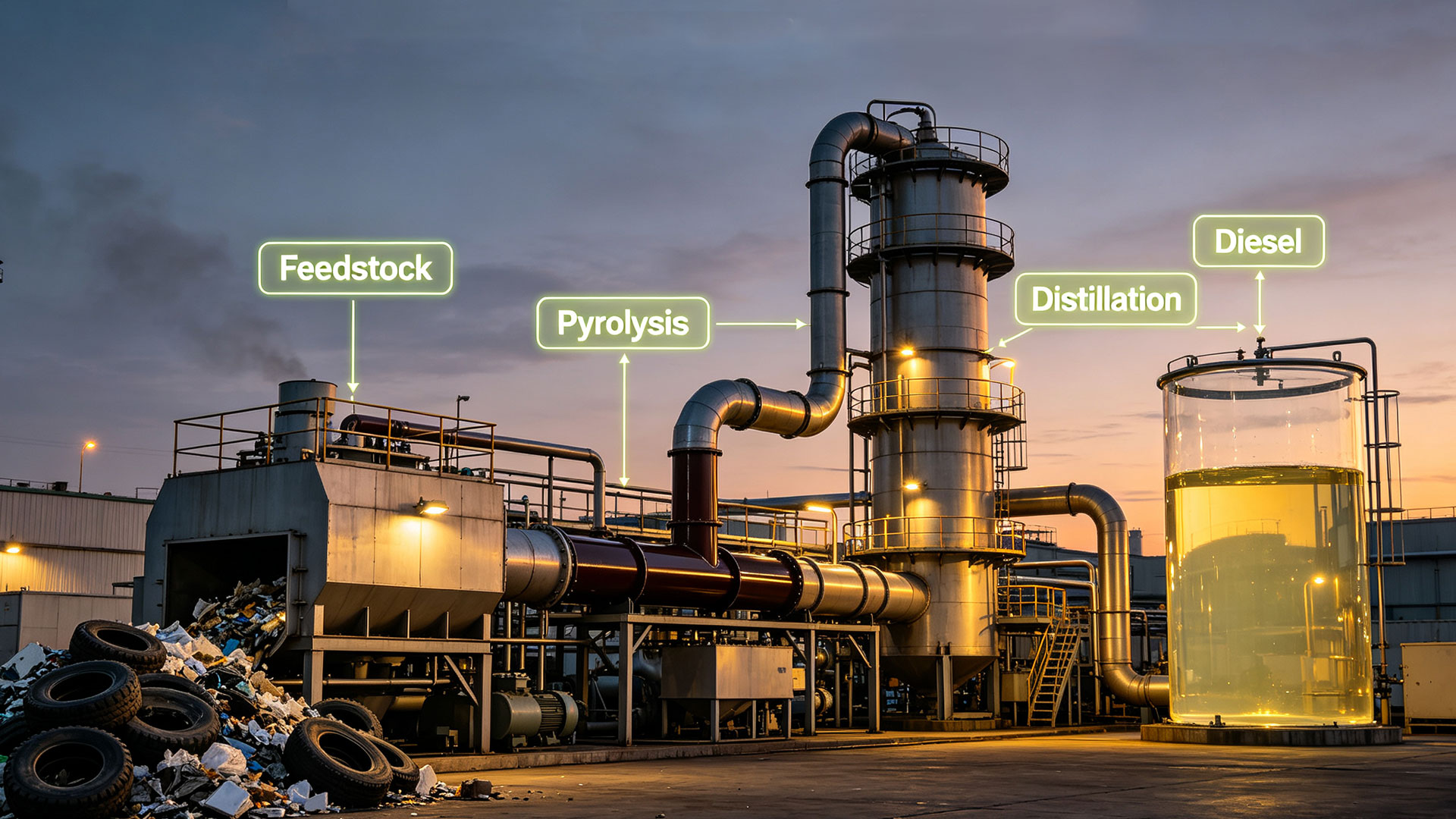
The pyrolysis oil distillation to diesel is establishing a new fuel supply channel independent of traditional crude oil refining. Pyrolysis oil is derived from organic solid wastes such as waste tires, scrap plastics, and industrial oil sludge. Its calorific value closely approximates that of crude oil and standard diesel. However, crude pyrolysis oil contains numerous impurities and elevated levels of aromatics, sulfur, and nitrogen, rendering it unsuitable for direct use as engine fuel. Through a distillation process, pyrolysis oil can be converted into clear, non-standard diesel.
The global market for pyrolysis oil derived from solid waste is projected to reach $1.8 billion by 2025. The Asia-Pacific region serves as the core production hub for pyrolysis oil. Europe is rapidly expanding capacity, driven by the RED III (Renewable Energy Directive) and ELV (End-of-Life Vehicles) regulations. Meanwhile, Africa and Latin America are accelerating the deployment of small and medium scale pyrolysis projects, leveraging their vast stockpiles of waste tires.
Impact of Pyrolysis Oil Distillation To Diesel on the Global Fuel Market
The primary feedstocks for the pyrolysis oil distillation to diesel are waste plastics and tires, thereby establishing an independent fuel supply channel. At the same time, the process delivers dual environmental benefits: the resource recovery of solid waste and carbon emission reduction. The industry of crude pyrolysis oil distillation to diesel is poised to become a pivotal force in reshaping global fuel supply, demand, and pricing.
Balancing Global Diesel Supply and Demand
Stagnant growth in global crude oil distillation capacity, compounded by the impact of geopolitical conflicts, has led to a persistent shortage of diesel processing capacity. This has frequently resulted in a decoupling of prices, where diesel costs rise despite ample crude oil inventories.
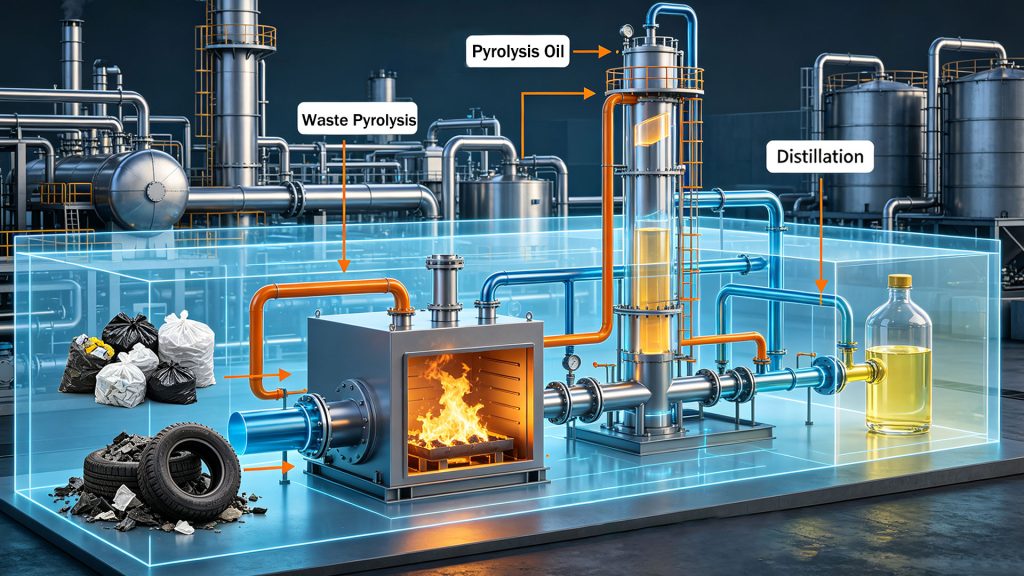
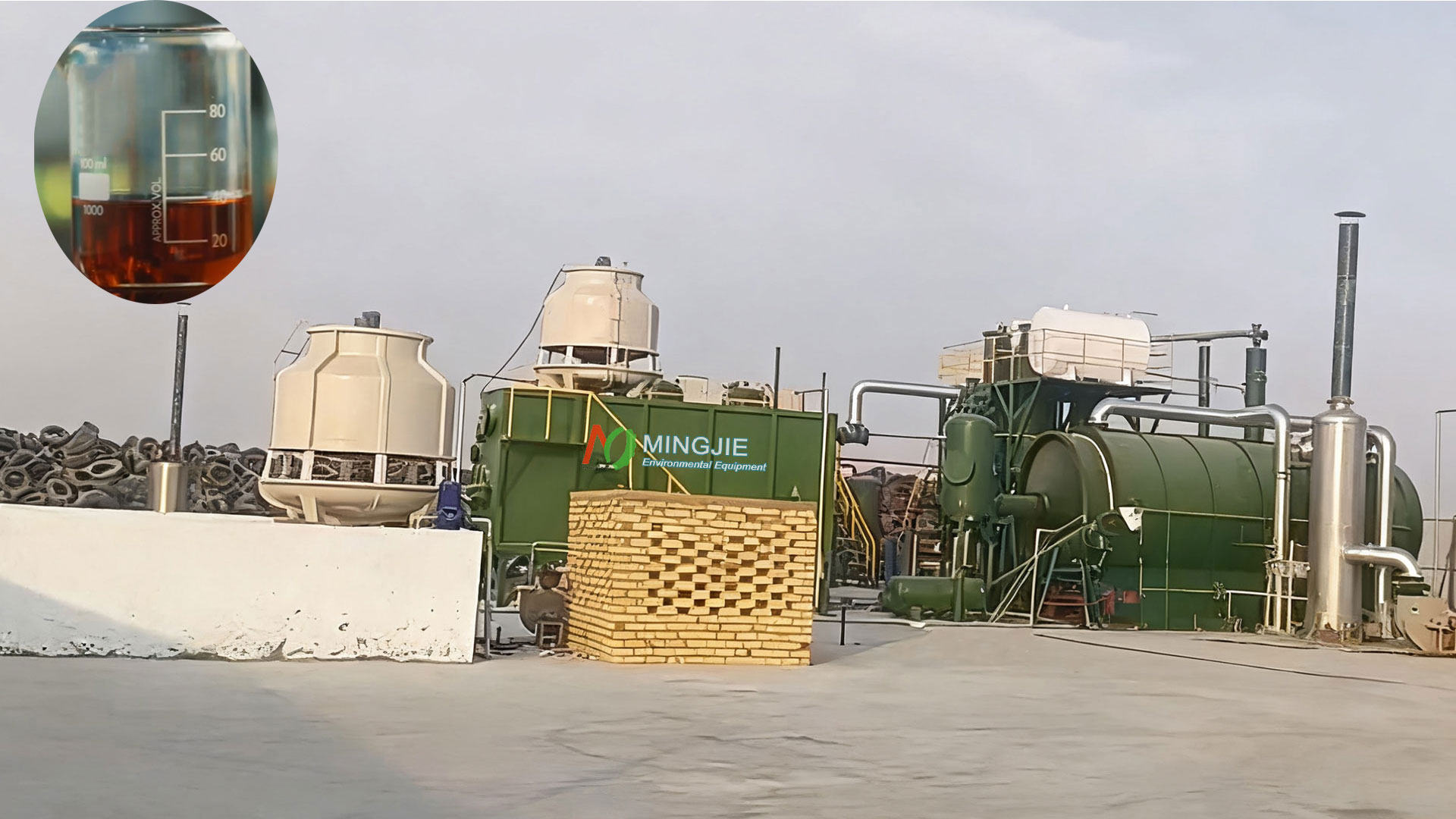
Batch pyrolysis plant for waste tires and plastics, when paired with distillation plant, constitutes small-scale fuel oil production lines. They feature short construction periods and offer flexibility in commencing operations. The distilled and refined pyrolysis oil can rapidly supplement diesel supplies for sectors, such as marine shipping, mining, and heavy engineering equipment.
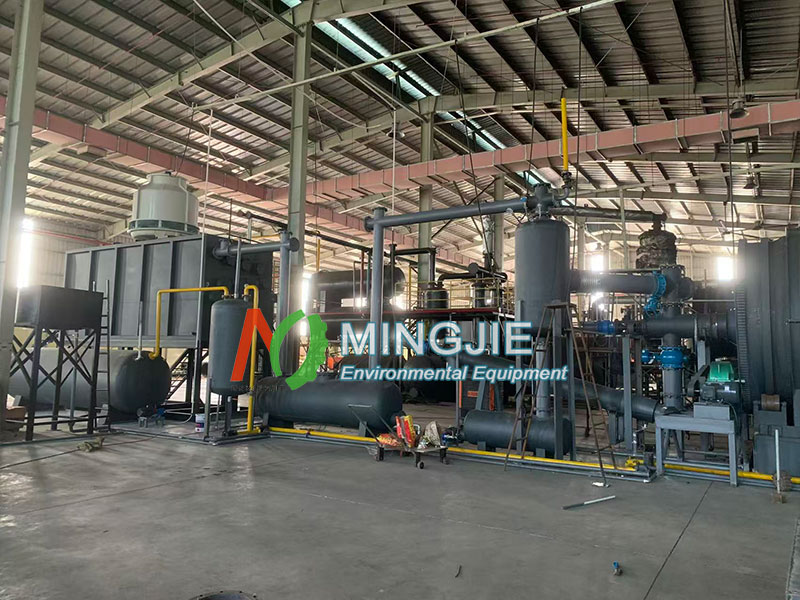
Non-standard diesel is priced at only 70%–80% of the rate for national-standard diesel. As the feedstock for the pyrolysis oil distillation to diesel is derived from solid waste recovery, production costs have a weak correlation with international crude oil prices. When diesel shortages drive up prices, large volumes of low-cost, non-standard diesel flow into industrial and marine fuel markets, curbing spikes in diesel spot prices.
Restructuring the Global Fuel Pricing System
Standard Refined Fuels: Derived from imported crude oil. The prices fluctuate directly in response to Brent and WTI crude benchmarks, geopolitical events, and traditional refinery operating rates.
Pyrolysis Oil Distillation to Diesel: Derived from waste plastic, waste tires and oil sludge. The waste plastic to diesel plant costs are determined by the recovery prices of waste plastics. In some regions, processing fees can be collected for waste disposal, making production costs minimally sensitive to rising crude oil prices.
Solid waste recovery systems are well-established across Asia-Pacific, Southeast Asia, and Africa, supporting a high density of pyrolysis oil distillation to diesel projects. These regions enjoy an abundant supply of non-standard diesel, resulting in significantly lower costs for industrial and marine fuels.
Developed nations in Europe and North America enforce stringent environmental and fuel quality standards. Regulations permit only limited blending of hydro-refined recycled diesel. Consequently, the use of standard non-standard diesel is restricted, making it difficult to alleviate high diesel prices.
Aligning with Global Low-Carbon Circularity
Regulations such as the EU’s RED III and ELV (End-of-Life Vehicles) Directive, as well as the US RFS (Renewable Fuel Standard), recognize pyrolysis oils derived from waste plastics and tires as circular, renewable fuels. Qualifying products can count toward renewable fuel blending mandates, allowing enterprises to benefit from subsidies, tax incentives, and revenue from carbon reduction credits.
The lifecycle carbon emissions of pyrolysis oil distillation to diesel are 30% to 65% lower than those of conventional crude-based diesel. It offers a cost-effective, low-carbon fuel solution for hard-to-abate sectors like shipping and mining, driving stable and robust demand.
Pyrolysis to diesel plant benefits from dual revenue streams: diesel sales and income from carbon credit trading. Carbon assets further lower the comprehensive cost of this diesel, accelerating its substitution for expensive, traditional industrial fuel oils.
The market for renewable diesel continues to expand, reducing the global fuel industry’s reliance on fossil crude oil. National energy structures are shifting from a reliance on fossil fuels alone toward a diversified, low-carbon supply model combining conventional petroleum products with fuels derived from solid waste.