Large scale biochar making by continuous pyrolysis offers a unique and easily implemented engineering approach for carbon dioxide removal (CDR). It can remove hundreds of millions of tons of carbon dioxide annually, with a marginal cost lower than other negative emission technologies.
Biomass carbonization plant converts waste biomass into biochar. It converts the carbon dioxide absorbed by biomass during its growth process into stable solid carbon through pyrolysis, which is then permanently stored in soil or products, directly reducing atmospheric carbon dioxide concentration.
Biochar: A High-Integrity Carbon Removal Solution
All biomass can capture atmospheric carbon dioxide through photosynthesis and sequester carbon within organic tissues. Without intervention, agricultural residues, forest thinnings, rice husks, or urban green waste undergo aerobic decomposition or open burning, releasing the stored carbon back into the atmosphere within 1-10 years, forming a neutral, rapid carbon cycle.
Large scale biochar making interrupts this cycle through pyrolysis, converting 30-40% of the dry biomass carbon into a stable aromatic biochar matrix with minimal short-term degradation. When biochar is added to soil, it permanently removes carbon and meets leading voluntary carbon standards.
How to Achieve Large Scale Biochar Making
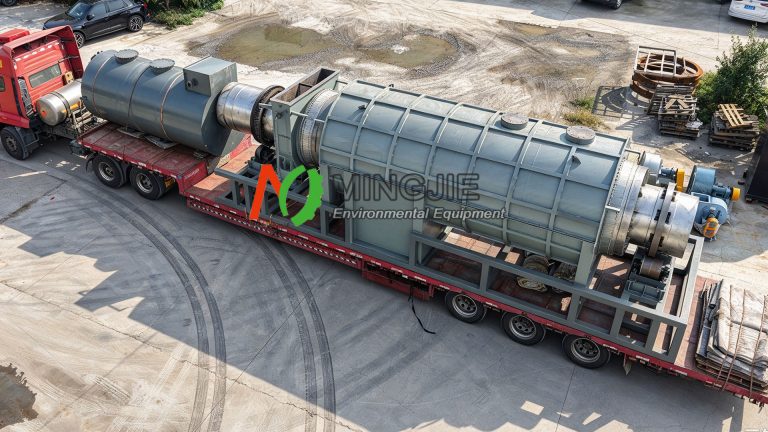
The key to achieving large scale biochar making lies in technological innovation and industrialization breakthroughs. Currently, large scale biochar production is becoming a reality through the Mingjie Biomass Carbonization Plant. We provide biomass pyrolysis pilot machine and high-efficiency industrial biochar equipment.
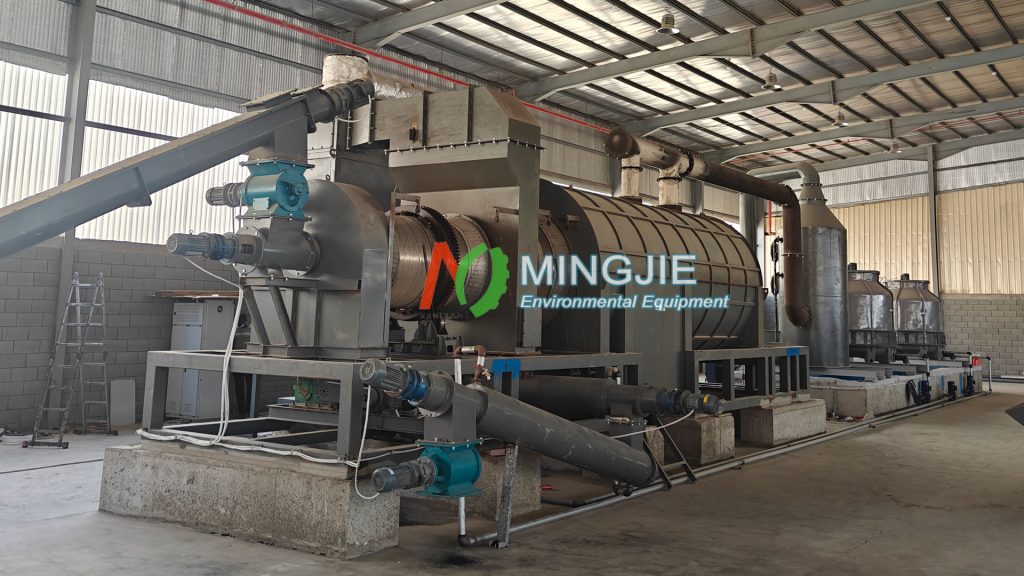
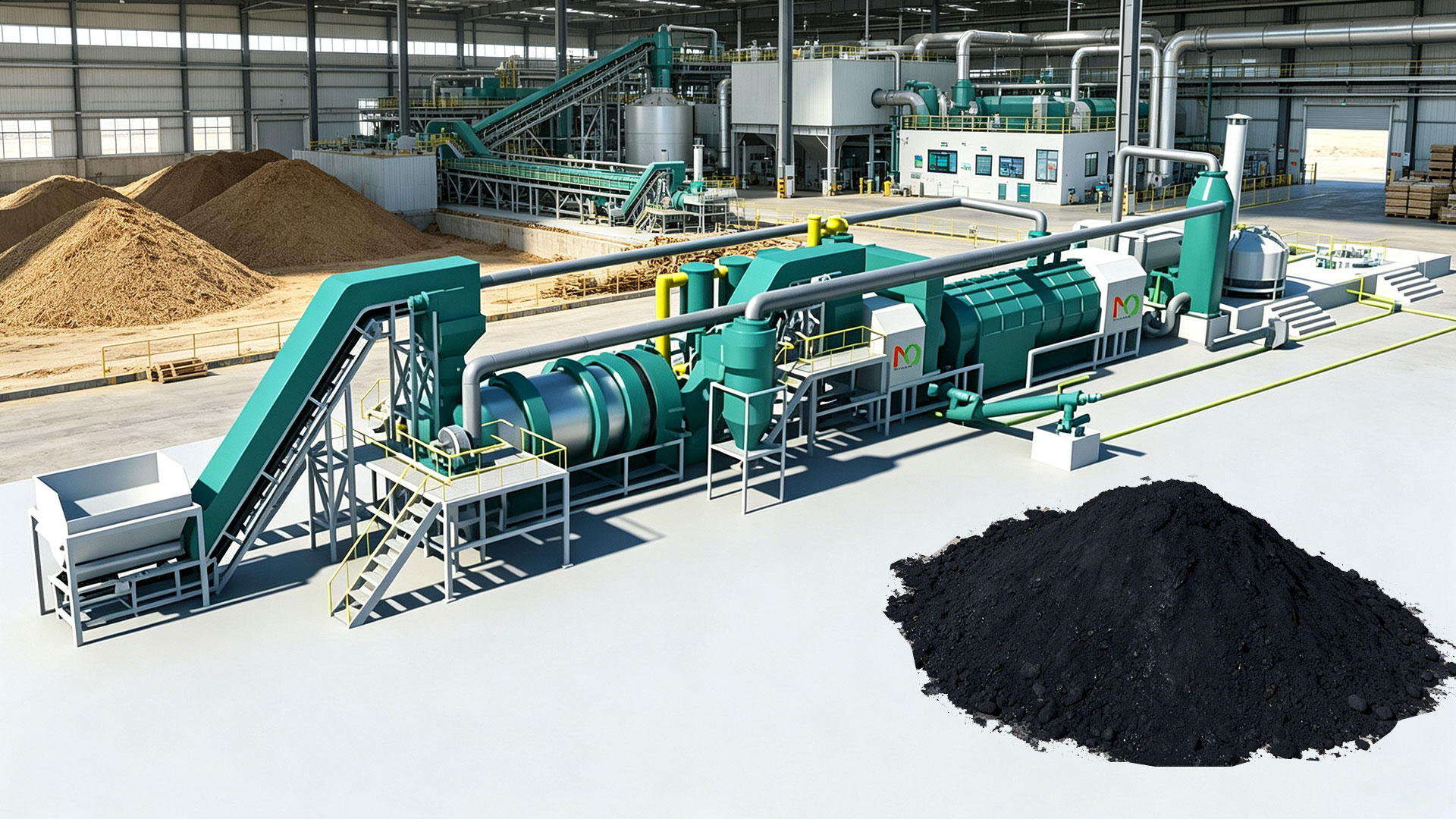
Large scale biochar equipment utilizes a continuous pyrolysis system. This system aims to achieve stable thermal control, complete waste heat recovery, and traceable quality balance for carbon credit accounting. The entire industrial value chain is divided into four interdependent stages designed to maximize net CO₂ removal while minimizing lifecycle emissions.
Raw Material Sources and Pretreatment
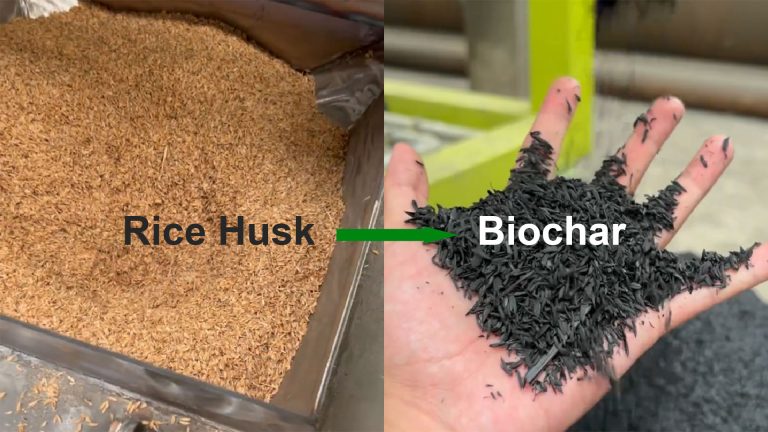
Verified carbon methods strictly limit raw materials to residual waste biomass. Eligible raw materials include rice husks, corn stalks, forest sawmill residues, orchard trimmings, and municipal sludge.
Pretreatment includes crushing and drying: reducing the raw material particle size to 5-20 mm and the moisture content to below 15%.
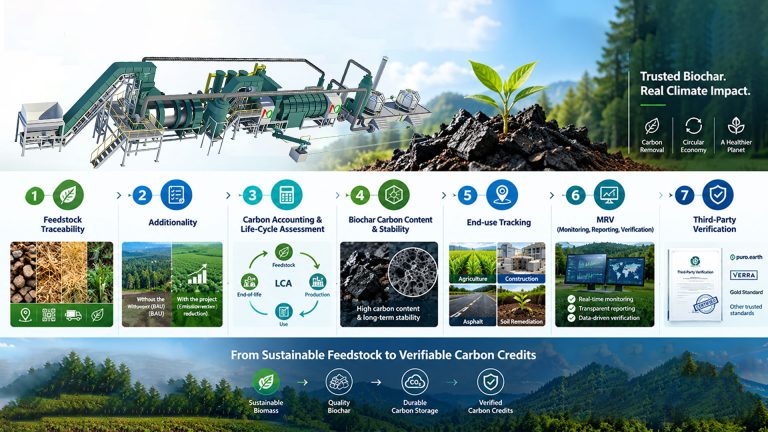
The mass flow rate of all raw materials is digitally recorded via automated sensors to meet the mandatory MRV (Measurement, Reporting, Verification) requirements for carbon removal credit issuance.
Continuous Slow Pyrolysis
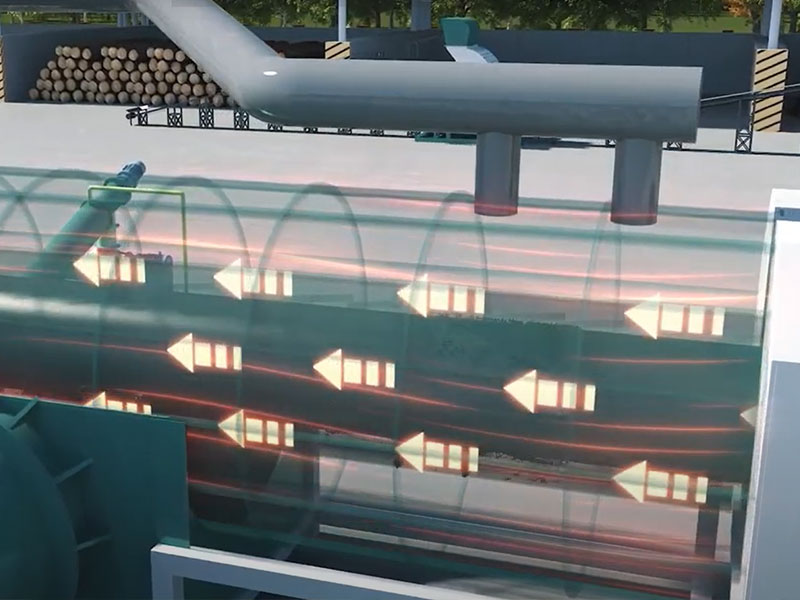
Biochar requires slow pyrolysis in an oxygen-isolated rotary kiln at temperatures of 300–600°C and residence times of 30–90 minutes. The rotary kiln is the core equipment of the industrial large scale biochar making machine. Rapid pyrolysis (optimized for bio-oil yield) is not suitable for this.
Advantages of Continuous Biomass Pyrolysis for CDR
Precise temperature and oxygen control produces biochar with a fixed carbon content ≥70% and a low H/C-to-organic ratio (<0.75). This scientific metric aligns with the IPCC Greenhouse Gas Inventory Guidelines regarding carbon sustainability for ≥100 years.
Complete combustion of the pyrolysis syngas provides over 90% of the plant’s thermal energy, eliminating dependence on fossil fuel heating and significantly reducing greenhouse gas emissions throughout the process’s lifecycle. Sealed and airtight operation prevents post-pyrolysis biochar oxidation, maximizing the retention of sequesterable carbon quality.
Product Collection and Closed-Loop Energy Cycle
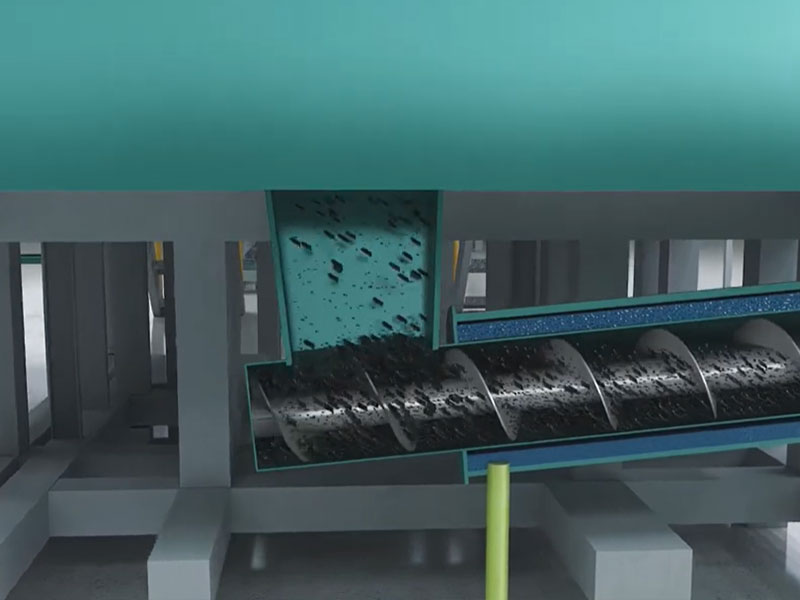
Solid biochar is discharged using a water-jacketed closed screw conveyor. This reduces temperature and prevents contact with the atmosphere. Syngas is recycled as fuel for the carbonization reactor and drying unit, achieving near energy self-sufficiency.
Flue Gas Purification
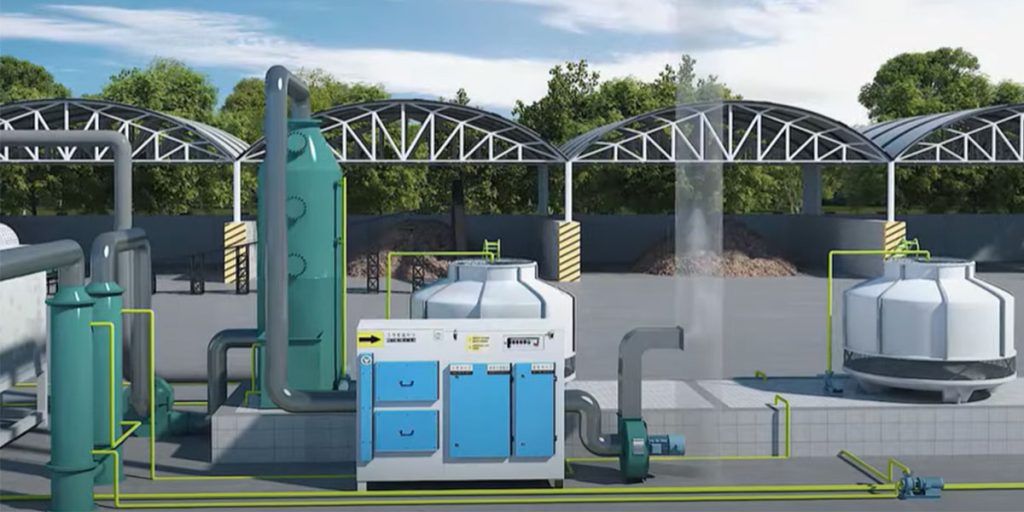
Large scale biochar making machine is designed with stringent environmental requirements in mind. Post-combustion exhaust gases undergo multi-stage scrubbers and dust filtration devices to remove dioxins, particulate matter, and volatile organic compounds (VOCs).
Carbon Dioxide Removal Accounting for Industrial Biochar Equipment
The core value of large scale biochar making machine lies in its quantifiable and auditable net negative emissions. These emissions are calculated using a standardized lifecycle formula adopted by all major carbon registration agencies.
Basic Carbon Removal Calculation
The net carbon dioxide equivalent removal per tonne of dry waste feedstock follows this tiered model:
Total carbon sequestration = Dry feedstock mass × Pyrolysis biochar yield × Biochar fixed carbon content
Total carbon dioxide equivalent = Carbon sequestration × 3.667 (molecular weight ratio of carbon dioxide to elemental carbon)
Net carbon removal = Total carbon dioxide equivalent − Sum of all lifecycle emissions (feedstock transportation, drying auxiliary energy, plant electricity, biochar spreading logistics, verification costs)
A well-designed large scale rice husk charcoal making machine can achieve a net removal of 0.8–1.2 tons of carbon dioxide equivalent per tonne of finished biochar after deducting all lifecycle emissions. Therefore, a 10,000-tonne-per-year biochar production equipment can achieve a permanent carbon dioxide removal of 8,000 to 12,000 tons annually.