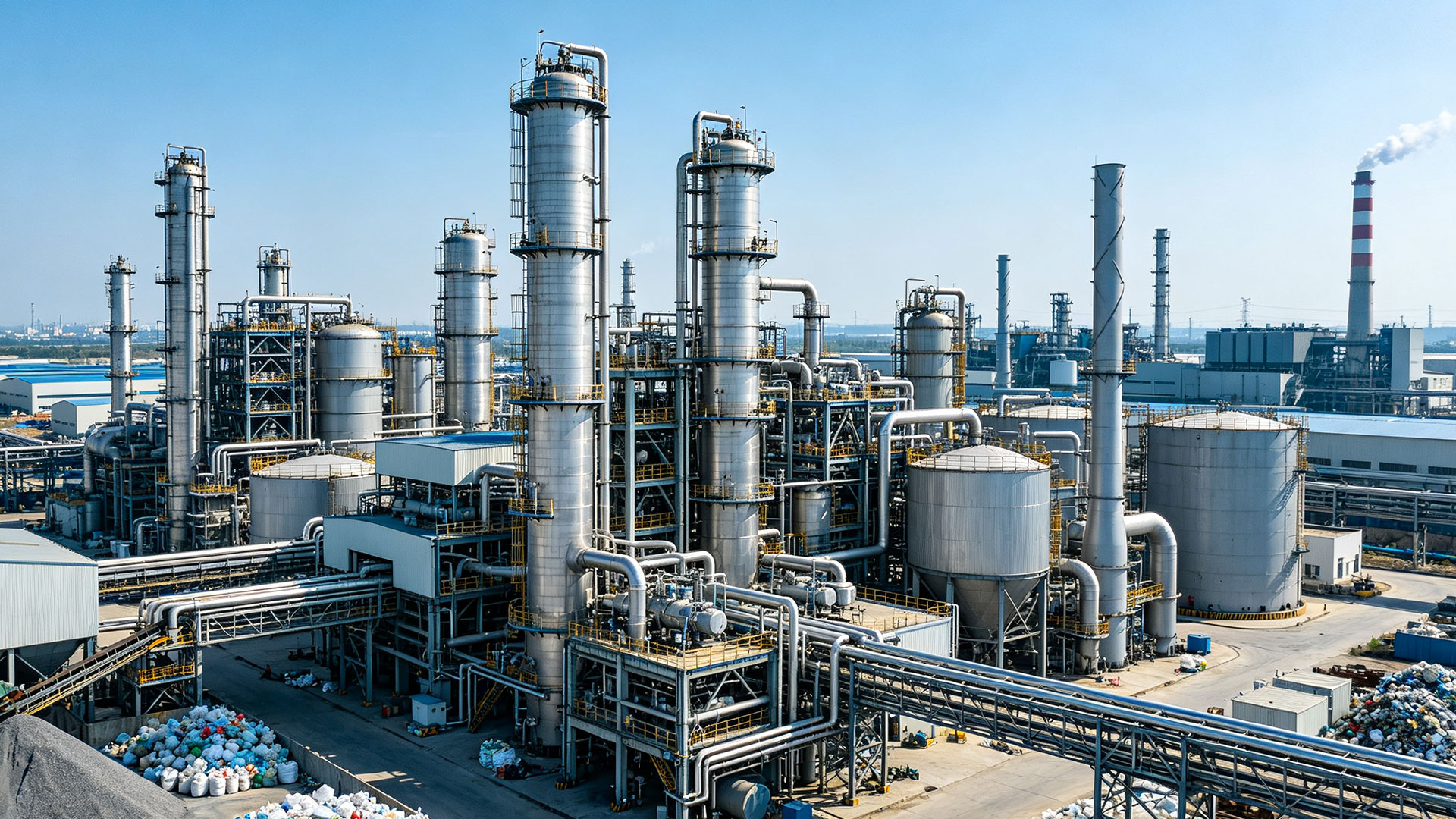
Plastic pyrolysis technology is considered a core process for the resource recovery of waste plastics. It converts waste plastics into pyrolysis oil, carbon black, and syngas products through high-temperature anaerobic pyrolysis. In recent years, a large amount of capital has entered the plastic pyrolysis project market. Some large scale plastic pyrolysis plants have experienced shutdowns and losses.
Unlike conventional production enterprises, the failure of large scale plastic pyrolysis plants is not caused by a single factor, but rather a systemic collapse resulting from the superposition of multiple factors. These include technology scale-up failure, uncontrolled raw material supply chain, cost-benefit imbalance, operational management deficiencies, policy-market misalignment, and environmental and safety risks.
Technology: Mature in Pilot Production, Failure in Large Scale Plastic Pyrolysis
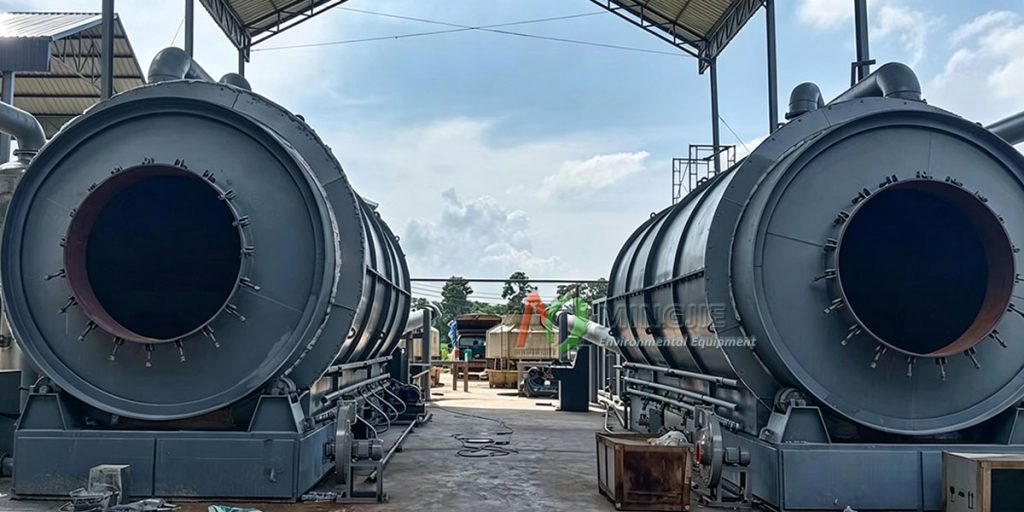
Plastic pyrolysis plants exhibit extremely high stability at small to medium scales, with controllable parameters, compliant products, and manageable losses. However, the vast majority of plastic pyrolysis plants encounter fatal technical problems during the large scale pyrolysis oil production phase. This is the primary and core reason for the industry widespread failures and the key factor behind the setbacks of many leading projects.
Insufficient Process Adaptability and Lack of Continuous Production Capacity
Continuous pyrolysis plant has a high conversion rate for single plastics. However, the pyrolysis parameters for mixed plastics such as PE, PP, PVC, and PET are inconsistent, easily leading to incomplete pyrolysis, equipment coking, blockage, and corrosion. Large scale plastic pyrolysis plants frequently shut down for cleaning, making it difficult to achieve 24-hour continuous mass production.
Brightmark and Freepoint, among other large scale plastic pyrolysis plants, have experienced problems with core systems failing to operate normally, and mass production processes not meeting design standards. This ultimately resulted in capacity utilization rates of less than 30%.
Pyrolysis Oil Product Quality Substandard
Pyrolysis oil contains excessive levels of impurities, acidity, and contaminants, requiring purification before market entry. Most factories omit the pyrolysis oil distillation process, preventing pyrolysis oil products from entering the formal chemical and oil markets. For few companies, the pyrolysis oil purification equipment costs far exceed product premiums, resulting in a loss of competitiveness.
Pyrolysis Equipment Wear and Tear
Impurities from waste plastics and hydrogen chloride produced by PVC pyrolysis can severely corrode the furnace body, pipes, and heat exchange equipment. Pyrolysis equipment requires frequent maintenance, resulting in a vicious cycle of Production – Failure – Maintenance – Shutdown.
Raw Material Level: Unstable Supply Chain
Stable, clean, and low-cost raw materials are the foundation for the survival of pyrolysis plants. However, the fragmented nature of the waste plastic recycling industry directly leads to long-term uncontrolled raw material supply for pyrolysis plants. This is a significant cause of operating losses and a core bottleneck for the development of large scale plastic pyrolysis plants.
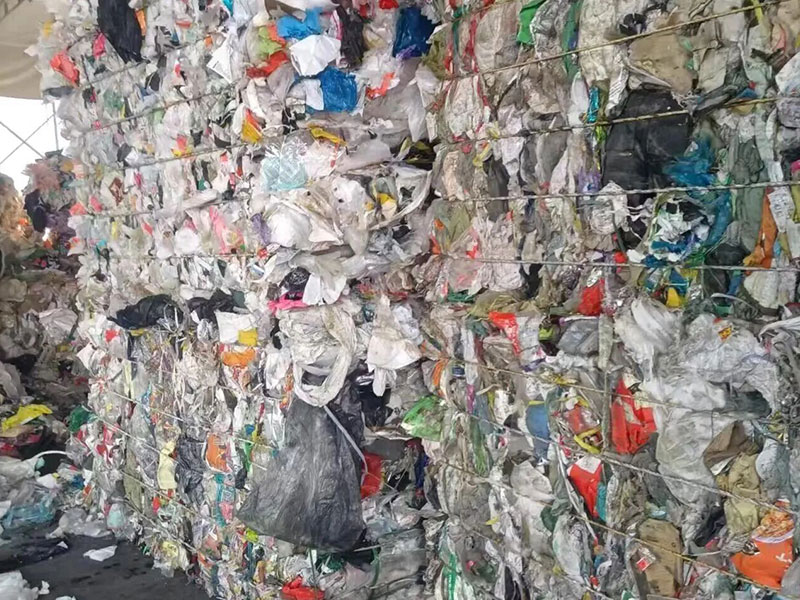
The fragmented nature of waste plastic recycling means that raw material quantities fluctuate significantly with seasons and market conditions. The utilization rate of large scale plastic pyrolysis equipment is far below design values, resulting in continuous wasted fixed costs.
Recycled plastics contain mud, sand, moisture, and metals, significantly reducing the oil yield. The oil yield of mixed plastics is 15%-30% lower than that of pure raw materials. Pyrolysis of PVC and PET plastics exacerbates equipment corrosion and produces toxic byproducts.
Economic Perspective: Capital-Heavy and Energy-Consuming
The large scale plastic pyrolysis industry is a capital-intensive and energy-intensive sector. It requires large upfront investments, has high operating costs, and a long payback period. Many companies are forced to shut down due to broken cash flow and imbalanced revenue and expenditure, which is the core economic reason for large scale plastic pyrolysis plant failure.
A complete large scale plastic pyrolysis oil production line requires an investment exceeding US$100 million for supporting equipment, environmental protection, and warehousing facilities. Most companies rely on loan financing, resulting in a shortage of working capital and a high risk of cash flow disruption.
High-temperature pyrolysis consumes electricity and fuel throughout the entire process, with unit energy consumption far exceeding that of traditional plastic mechanical recycling processes.
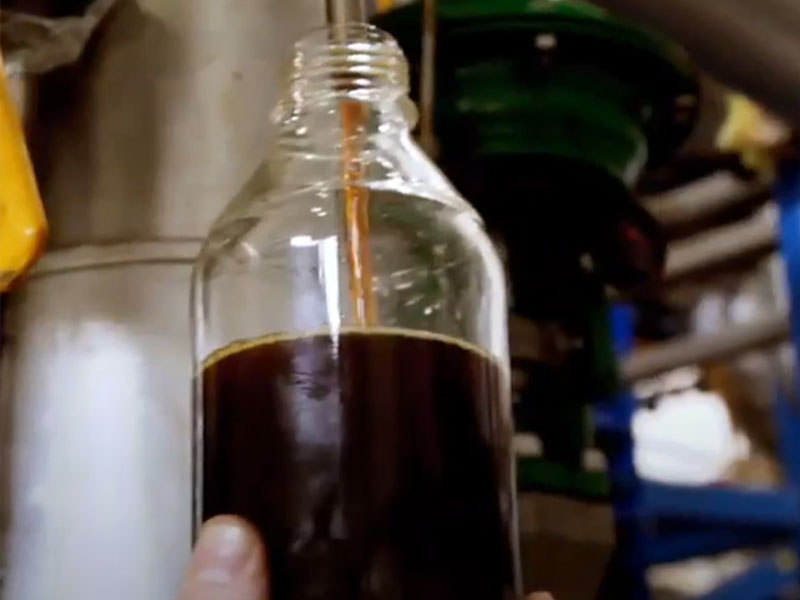
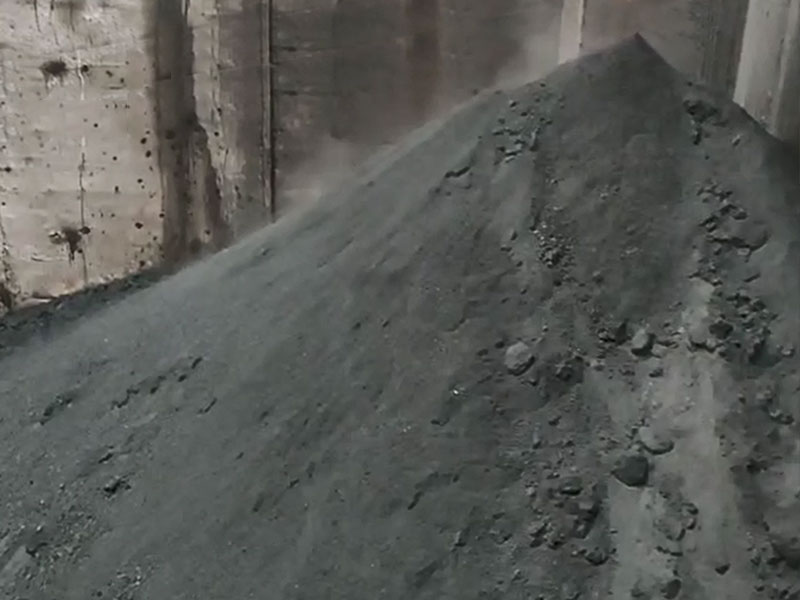
Most plastic pyrolysis plants only produce low-end pyrolysis oil, crude carbon black, and other low-value-added products. The large scale plastic pyrolysis industry is highly dependent on government subsidies, and immediately falls into losses after subsidies are phased out.
Management Level: Inefficient Production Control
Plastic pyrolysis is a complex process integrating chemical engineering, materials science, environmental protection, and machinery. It demands extremely high levels of expertise in production control, technical maintenance, and safety management. The prevalent inefficient operational management within the industry is a significant underlying cause of large scale plastic pyrolysis plant closures.
Policy and Market
The plastic pyrolysis industry is still in its early stages of development, with incomplete industry standards, regulatory rules, and market systems.
There are no unified quality grading, testing, or certification standards for pyrolysis oil and carbon black. Downstream enterprises are concerned about product stability and compliance, resulting in low purchasing willingness and product backlog.
Early-operated plastics pyrolysis plants often have substandard environmental protection facilities, leading to frequent rectification and shutdowns. Solid waste and hazardous waste disposal permits are cumbersome, compliance costs are unstable, and operational risks are extremely high.
Environmental Protection and Safety
From an environmental perspective, exhaust gas treatment is the biggest pain point. The pyrolysis process generates toxic and harmful waste gases, such as aromatics, sulfides, chlorides, and dioxins. Without adequate exhaust gas purification, deodorization, and dust removal equipment, emissions can easily exceed standards.
From a safety perspective, production risks are extremely high. High-temperature pyrolysis reactors and pyrolysis oil storage equipment are high-risk production devices. Improper operation, seal failure, or abnormal temperature control can easily lead to explosions.