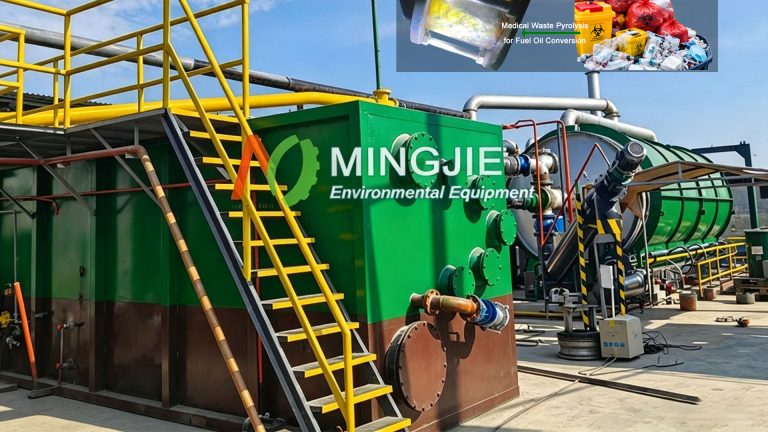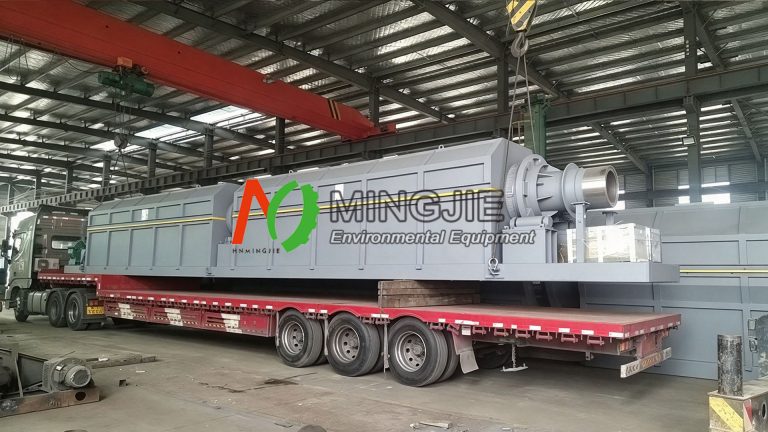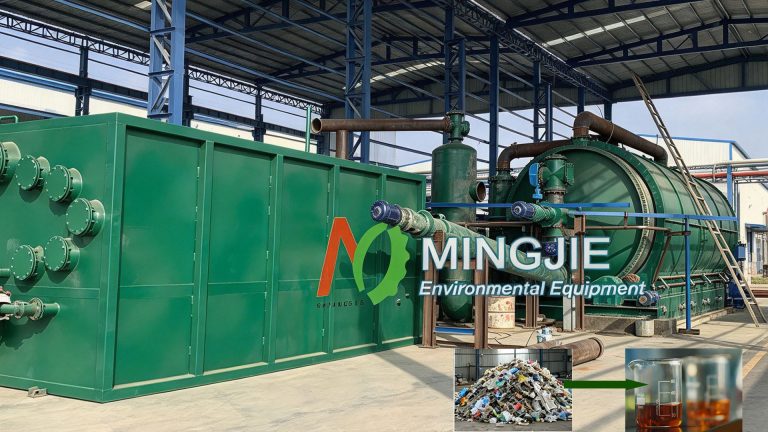
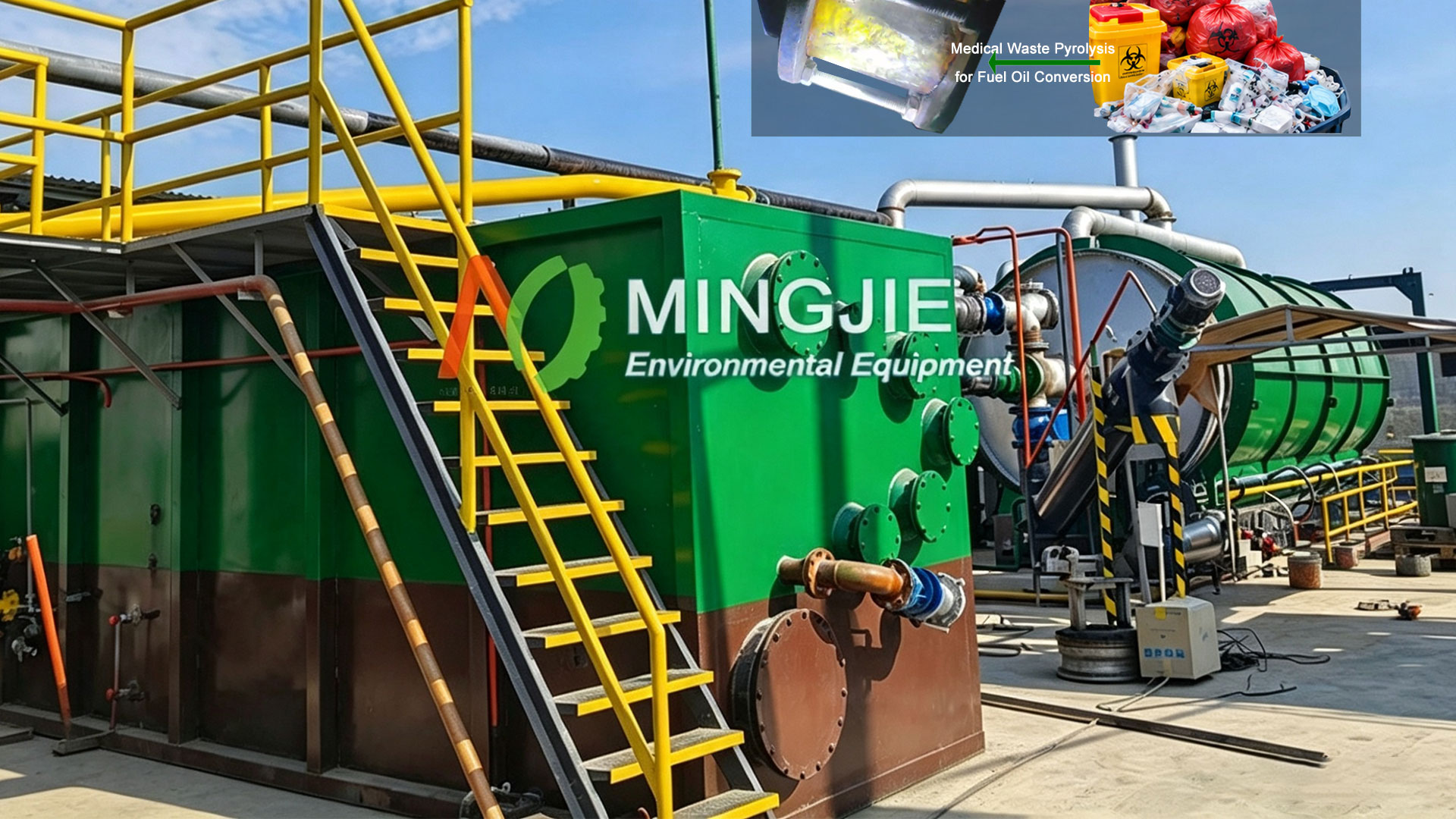
Pyrolysis, a thermochemical conversion process under limited or anaerobic conditions, offers a promising pathway for waste-to-fuel conversion. Medical waste pyrolysis technology can safely sterilize solid waste at high temperatures, while breaking down organic components into pyrolysis oil, syngas, and carbon black.
For pyrolysis equipment, medical waste is no longer a disposal burden, but a mixture of various high-energy-density materials. The raw materials suitable for medical waste pyrolysis technology are mainly medical waste with a certain organic content and calorific value. Examples include waste plastics, rubber, textiles, paper, and some sorted and pre-treated infectious medical waste.
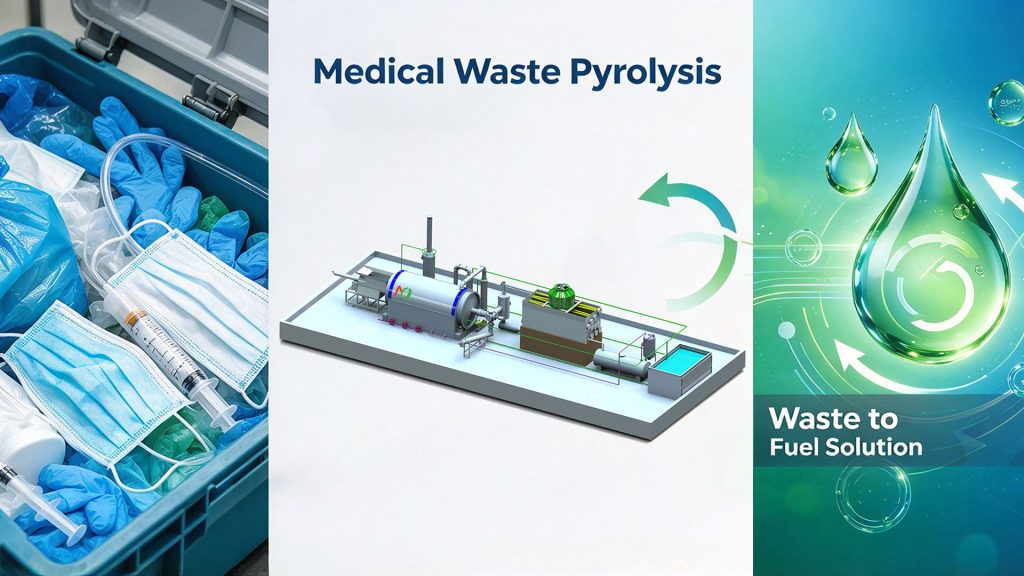
However, not all medical waste can be directly fed into pyrolysis equipment. Screening is required based on raw material composition, infection risk, chlorine content, moisture content, and local hazardous waste management regulations.
Medical Waste Raw Materials Suitable for Pyrolysis Equipment
Medical Plastic Waste: Disposable plastic syringe barrels, PP/PE medical packaging, plastic containers, some infusion tubing, and plastic instruments. PP and PE plastics are suitable for pyrolysis, producing pyrolysis oil and flammable gases. PVC materials require separate identification and control and should not be confused with ordinary polyolefins.
Disposable Medical PPE: Disposable masks, protective clothing, medical caps, shoe covers, and some gloves. Polypropylene nonwoven fabrics have good pyrolysis potential. Products containing PVC, latex, or other complex additives should be assessed separately.
Medical Textiles and Dressings: Waste gauze, cotton balls, bandages, surgical dressings, and some medical textiles. These cellulosic or synthetic fiber wastes can undergo thermal decomposition, producing gaseous, liquid, and solid residues. Infectious materials must be handled in compliant closed-loop systems and with appropriate contamination control measures.
Medical Rubber Waste: This includes some latex gloves, rubber tubing, rubber seals, and discarded rubber medical supplies. Rubber can be pyrolyzed to produce oily gases and carbonaceous residues, but attention should be paid to pollutants such as sulfur, nitrogen, and additives.
Medical Paper and Packaging Waste: This includes paper packaging, tissues, paper mats, and some disposable paper products. Primarily containing cellulose, it can be pyrolyzed to produce flammable gases, condensate, and carbonaceous residues. Uncontaminated packaging materials should generally be prioritized for conventional recycling.
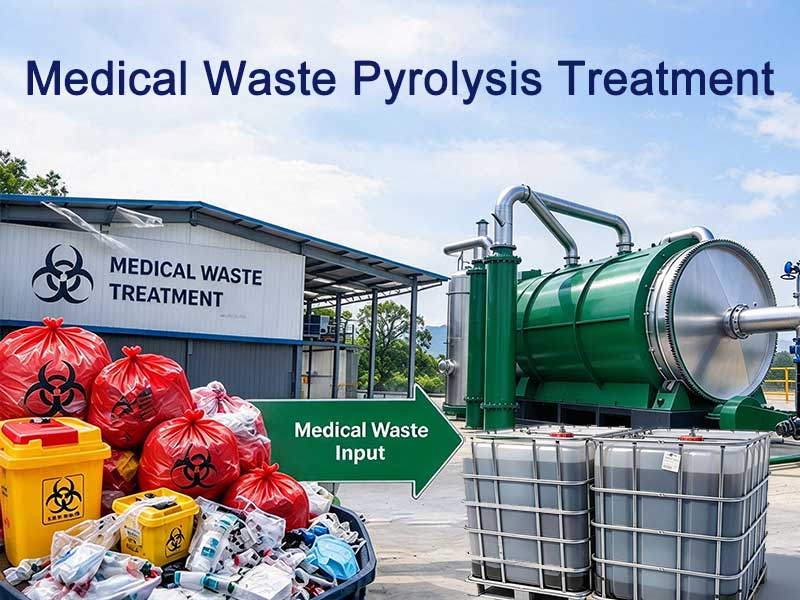
Basic Principles of Medical Waste Pyrolysis Technology
Medical waste pyrolysis involves heating organic waste in an oxygen-deficient, closed reactor, typically at temperatures of 400–700°C. Due to insufficient oxygen for complete combustion, long-chain polymer molecules undergo thermal decomposition and rearrangement. The medical waste pyrolysis technology produces three main products: liquid pyrolysis oil, combustible syngas, and solid carbon black.: liquid pyrolysis oil, combustible syngas, and solid carbon black.
Temperature, heating rate, residence time, feedstock composition, and catalyst are key parameters. Rapid medical waste pyrolysis technology preferentially produces liquid pyrolysis oil, while slow pyrolysis generates more coke. Catalytic pyrolysis can improve oil quality, reduce heteroatom impurities, and simplify downstream refining processes. The high-temperature conditions within the reactor can completely inactivate pathogens, achieving integrated disinfection and resource recovery.
Medical waste pyrolysis technology, relying on the unique mechanism of anaerobic pyrolysis, directly addresses the industry pain points of traditional incineration, such as high levels of dioxins and fly ash. It balances harmlessness, volume reduction, and energy recovery, providing a low-carbon and safe new path for medical waste disposal.
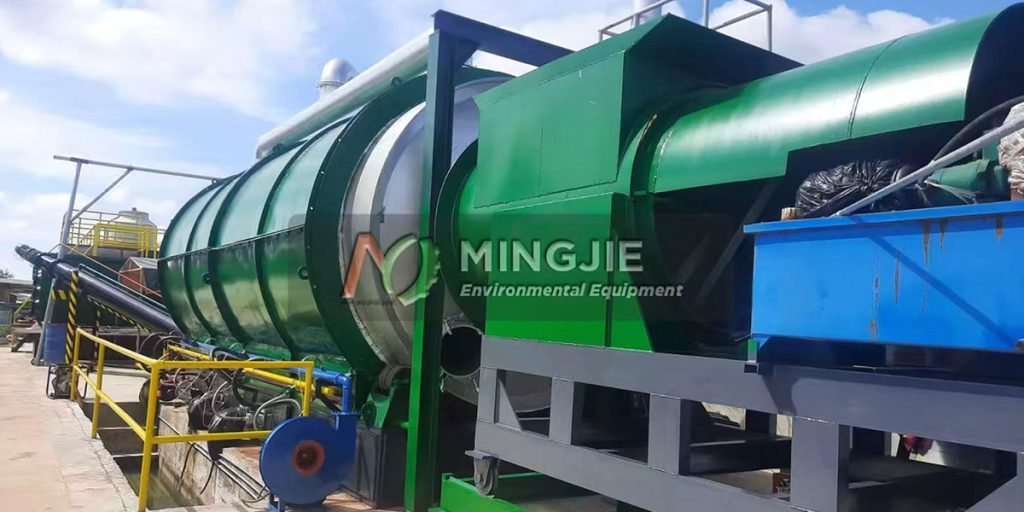
Complete Medical Waste Pyrolysis System
Medical waste pyrolysis technology cannot achieve harmlessness solely through a pyrolysis reactor. It also requires a closed-loop feeding system, infection control, acid gas removal, tail gas purification, and safe residue disposal system.
A complete medical waste pyrolysis system includes the following modules:
Pretreatment: Waste source classification, removal of sharp metal objects, crushing, drying, and feeding. Homogenized feedstock improves pyrolysis stability and oil yield.
Closed-loop Pyrolysis Reactor: The pyrolysis reactor operates in a low-oxygen atmosphere, killing pathogens during thermal decomposition.
Steam Condensation and Separation: Pyrolysis steam is cooled and separated into crude pyrolysis oil and non-condensable syngas.
Syngas Purification: Acid gases, particulate matter, heavy metals, and organic pollutants are removed through scrubbers, activated carbon adsorption, and bag filters. The purified syngas can be recycled for reactor heating or power generation.
Pyrolysis Oil Refining: Crude oil undergoes further distillation and refining to produce alternative fuel oil.
Solid Residue Treatment: Collection of carbon residue. Stable charcoal can be used as an adsorbent or disposed of safely after testing.
The entire medical waste pyrolysis process is conducted in a fully enclosed negative pressure environment to prevent the leakage of infectious aerosols. The successful implementation of medical waste pyrolysis technology relies on classification management, pyrolysis system, comprehensive exhaust gas treatment, and strict end-to-end supervision.