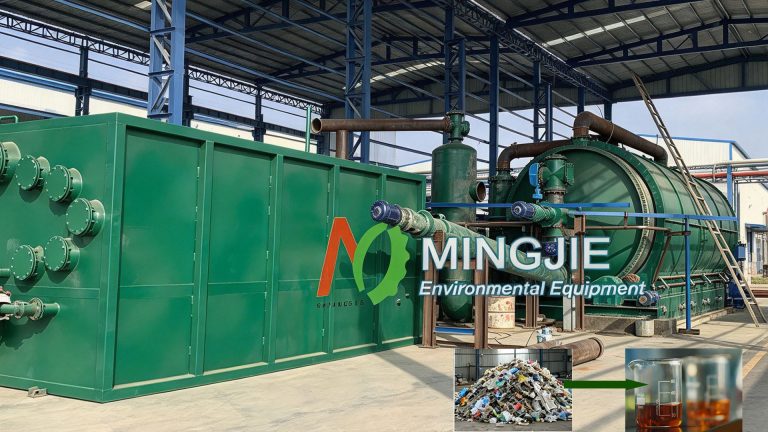
In mid-April 2026, Mingjie Group completed the installation and commissioning of MJ-15 plastic pyrolysis plant in Vietnam. Plastic pyrolysis equipment converts waste plastics into products such as pyrolysis oil, syngas, and carbon black through an oxygen-free, low-temperature pyrolysis process. It possesses dual value in environmental disposal and energy regeneration.
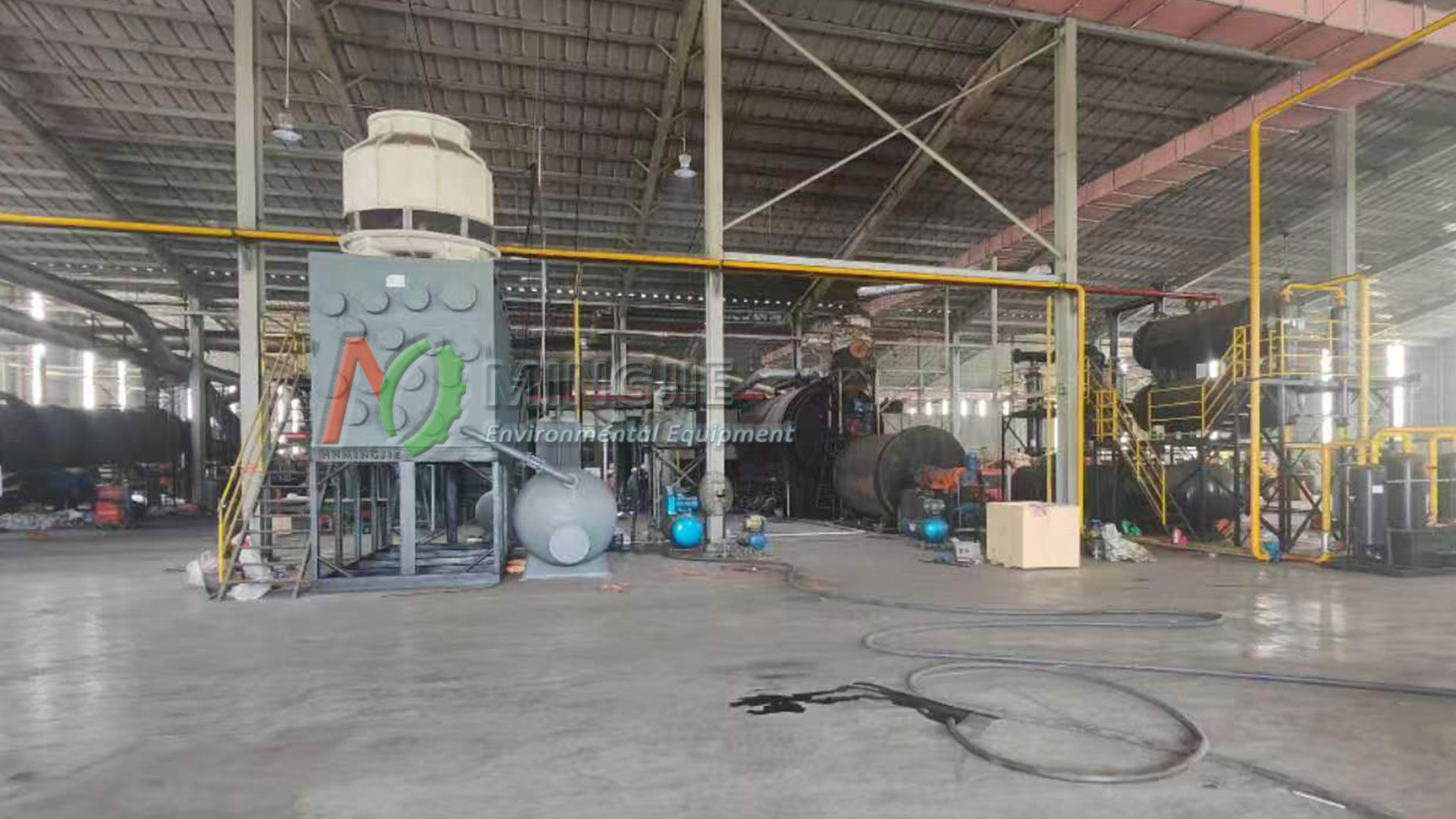
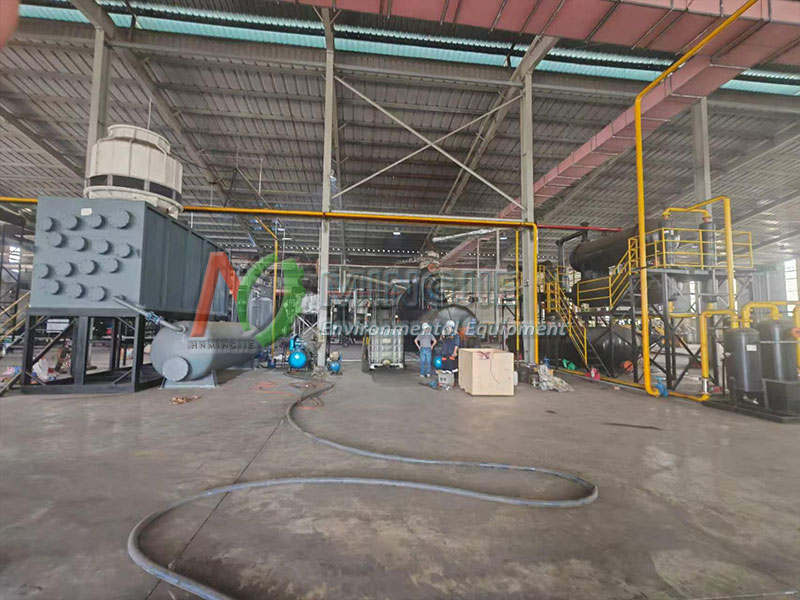
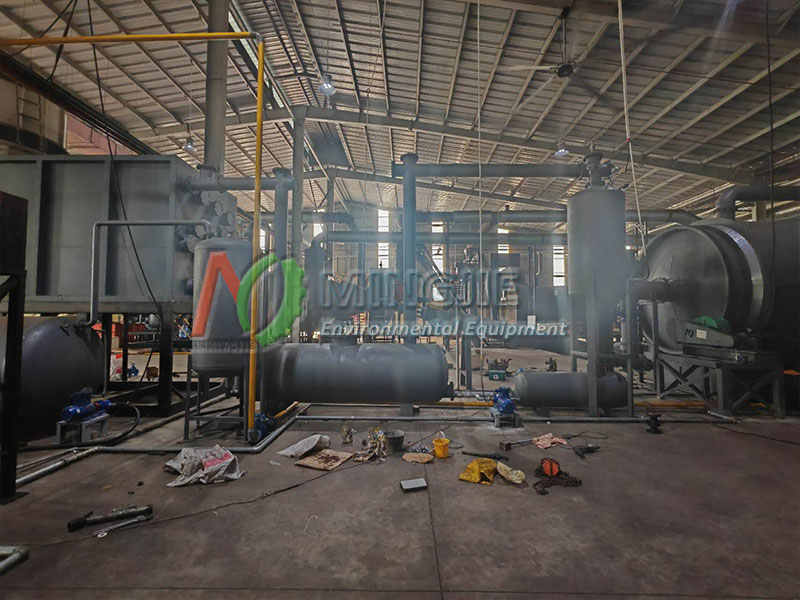
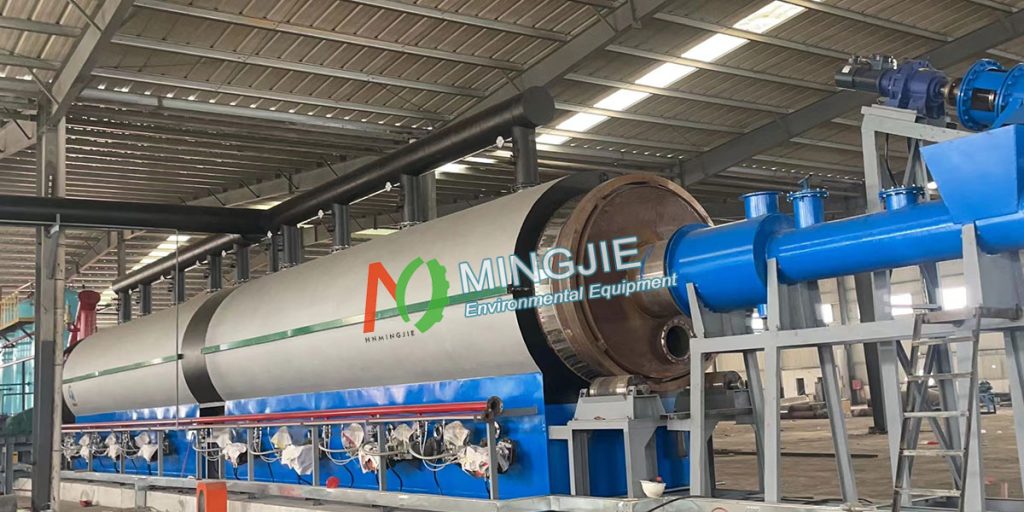
The following are on-site installation photos of the MJ-15 Plastic Pyrolysis Plant in Vietnam.
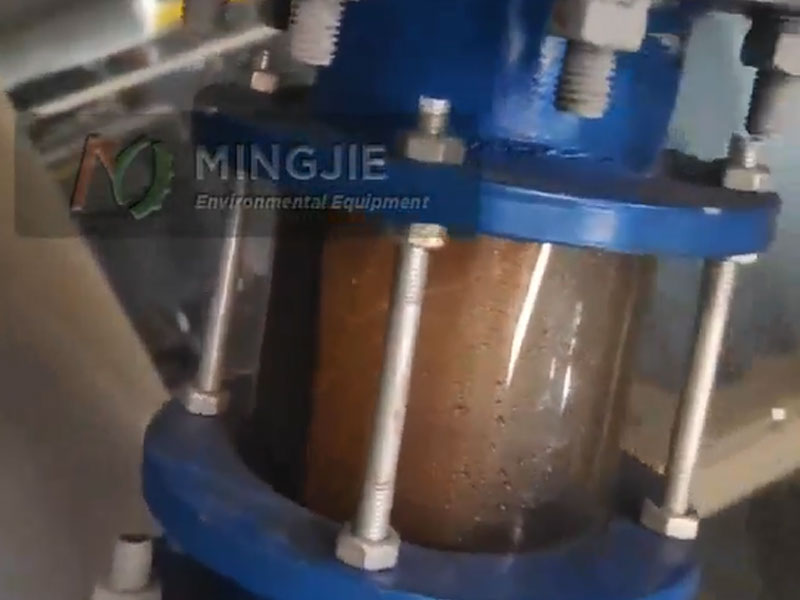
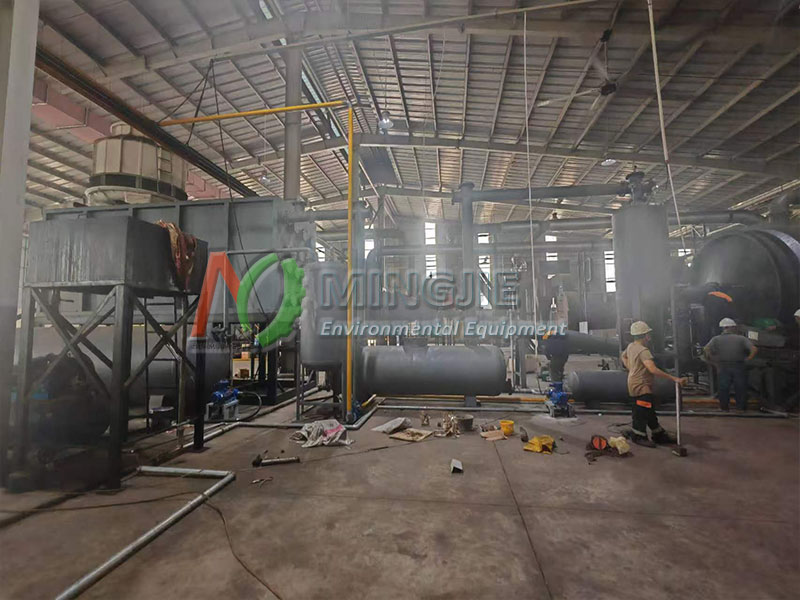
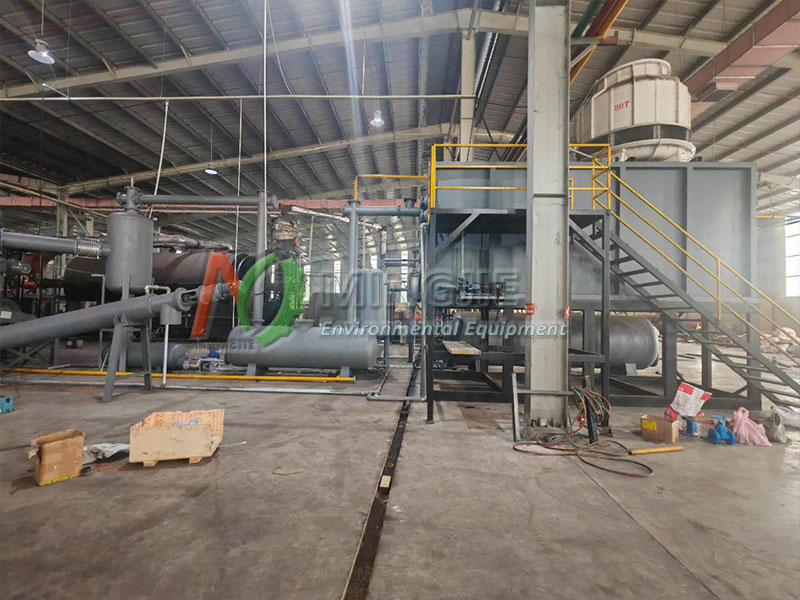
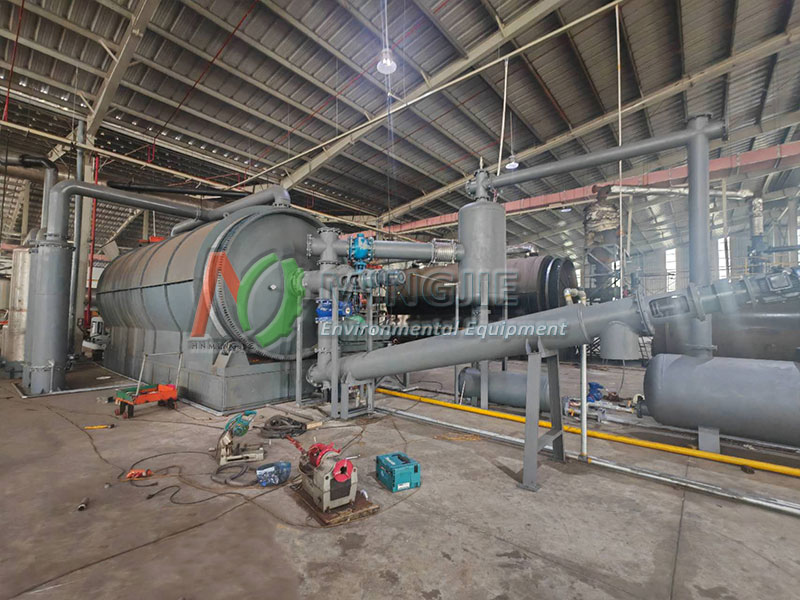
Installation of Plastic Pyrolysis Plant in Vietnam
Plastic pyrolysis plant belongs to the category of high-temperature, closed, and pressure-bearing chemical equipment. The plastic pyrolysis plant in Vietnam mainly includes a pyrolysis reactor, heating system, condensation system, oil-gas separation system, tail gas purification system, and electrical control system. Its installation and commissioning parameters directly determine the safety and oil yield of the plastic pyrolysis oil production line.
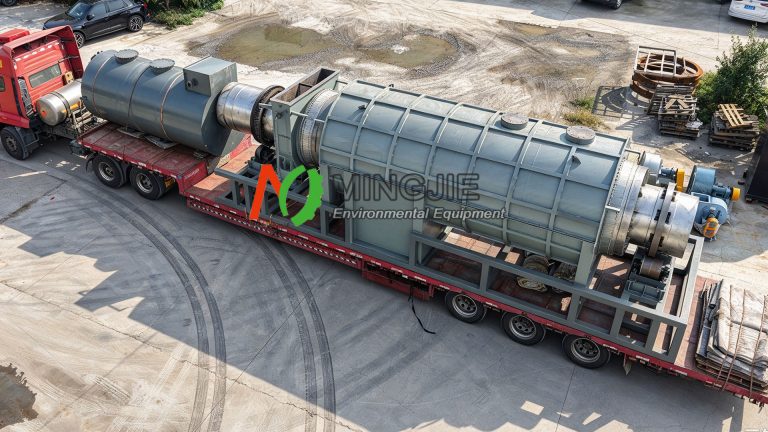
Hoisting and Securing of Main Equipment
The core components of plastic pyrolysis plant in Vietnam include heavy equipment, such as pyrolysis reactors, horizontal gasifiers, condensers, oil-gas separators, and oil storage tanks. These are secured to their designated positions using cranes.
Piping Installation and Sealing
Piping installation is the core and crucial step in the installation of plastic pyrolysis equipment. Feed pipes, main oil/gas pipes, condensate pipes, return gas pipes, and drain pipes must be laid out strictly according to the process flow direction. All flange connections use special sealing gaskets that are resistant to high and low temperatures and oil corrosion. Pipe supports are spaced at standard intervals and securely fixed.
Air Tightness and Pressure Test
The plastic pyrolysis system operates under closed oil and gas conditions. Therefore, an air tightness test must be conducted after installation. Close all inlet and outlet valves, and introduce dry compressed air into the system. The test pressure should be 1.2 times the design pressure, and the pressure should be maintained for at least 30 minutes.
Electrical and Automation System Installation
Due to the presence of flammable gases during plastic pyrolysis, the electrical system must be installed strictly according to explosion-proof standards. Explosion-proof electrical control cabinets, temperature sensors, pressure sensors, level gauges, solenoid valves, fans, and other electrical equipment must be securely fixed according to specifications. Shielded explosion-proof cables must be used for wiring, which must be neatly laid out and clearly labeled.
The PLC control system interfaces with each equipment point, achieving fully automatic control of temperature, pressure, speed, feed rate, and cooling flow. After installation, the insulation of the wiring and the stability of signal transmission must be tested.
Auxiliary and Environmental Protection System Installation
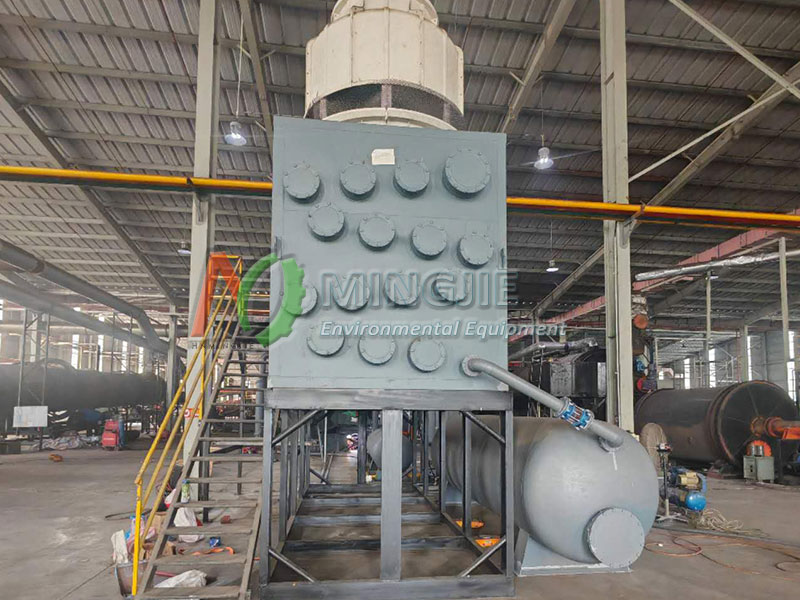
This mainly includes the circulating cooling system, exhaust gas purification system, and dust removal system. Precise connection of cooling water pumps and cooling tower piping ensures efficient condensation and heat exchange. Exhaust gas treatment equipment is connected to the end of the system to ensure that waste gas is treated in compliance with environmental emission standards.
Pyrolysis Plants for Sale
As a professional pyrolysis plant manufacturer, Mingjie Group offers various models pyrolysis plants for sale. We offer skid-mounted small pyrolysis equipment, batch pyrolysis equipment, and continuous pyrolysis plant. Furthermore, we can customize pyrolysis plant according to customer requirements.
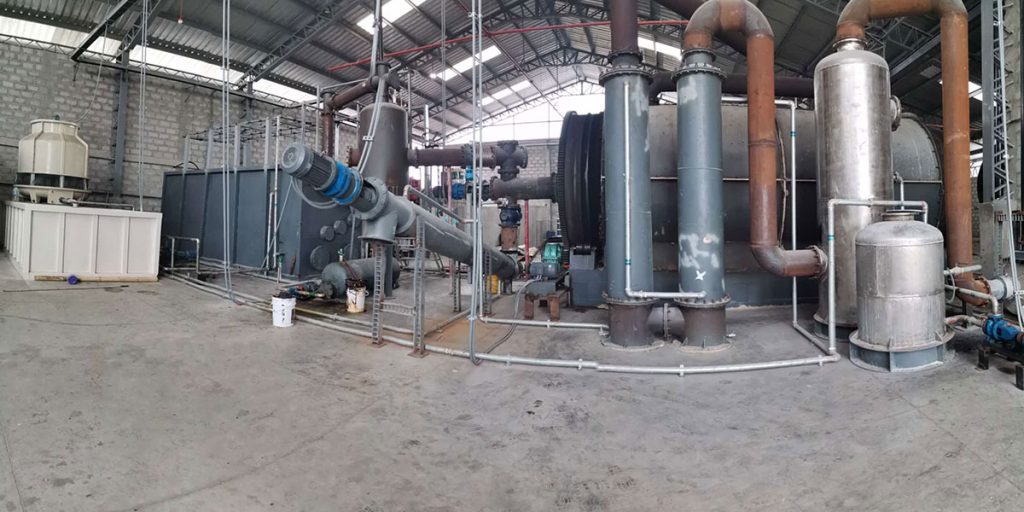
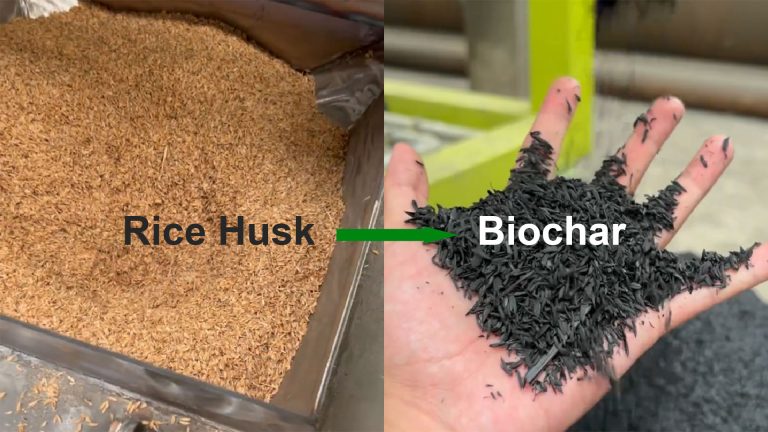
With the deepening of the global “dual-carbon” strategy, pyrolysis equipment, with its core advantages of low carbon and environmental protection, has become an effective solution for solid waste management. Pyrolysis plants are widely applicable to various solid waste treatment scenarios, including waste plastics, tires, oil sludge, biomass, and discarded wind turbine blades.
The pyrolysis equipment decomposes the polymer structures of various solid wastes in a sealed, oxygen-free environment under controlled temperature. The entire plastic pyrolysis process involves no open flame combustion and generates no large amounts of harmful gases. Dioxin emissions are far below EU and domestic standards.
Compared to traditional processes, pyrolysis plants achieve three revolutionary breakthroughs in solid waste treatment: harmlessness, maximum volume reduction, and full resource recovery. It is currently the optimal solution for treating complex and polluting solid wastes.