Waste oil distillation is a mature and efficient resource recovery technology. It enables the conversion of waste oil into diesel or gasoline through distillation, purifying the waste oil and transforming it into clean fuel.
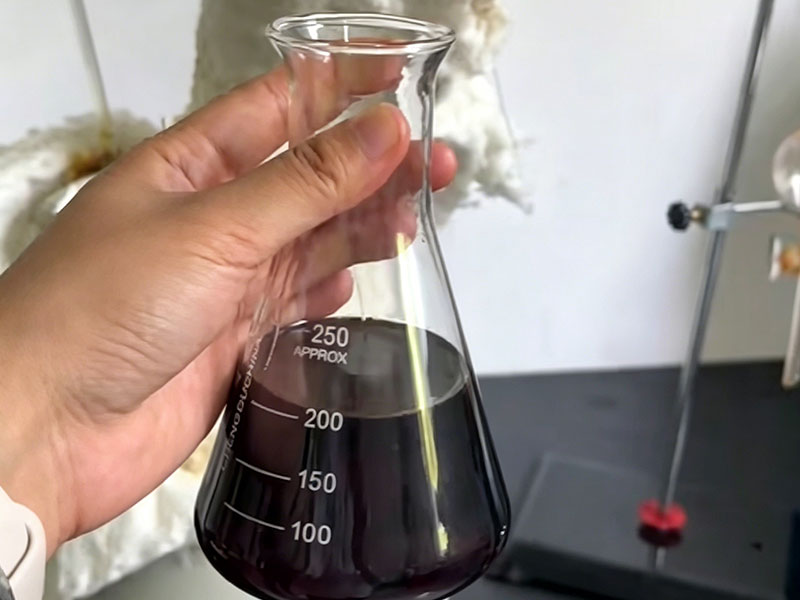
Industrial production, the operation and maintenance of machinery, and transportation activities generate significant quantities of waste oils, such as used engine oil, lubricants, and fuel oils. These waste oils typically exhibit characteristics, such as darkening color, increased viscosity, rising acid values, and lowered flash points. Contaminants within the waste oil alter its physical and chemical properties, rendering it unsuitable for continued use in equipment.
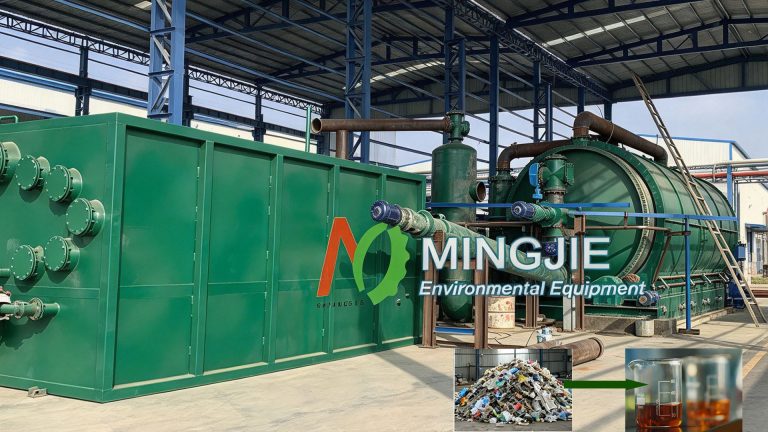
The Mingjie pyrolysis oil distillation plant facilitates the recycling of waste oils. Offering environmental, economic, and energy-related benefits, it represents a key technological pathway for the resource recovery of industrial solid waste and the achievement of “dual carbon” goals.
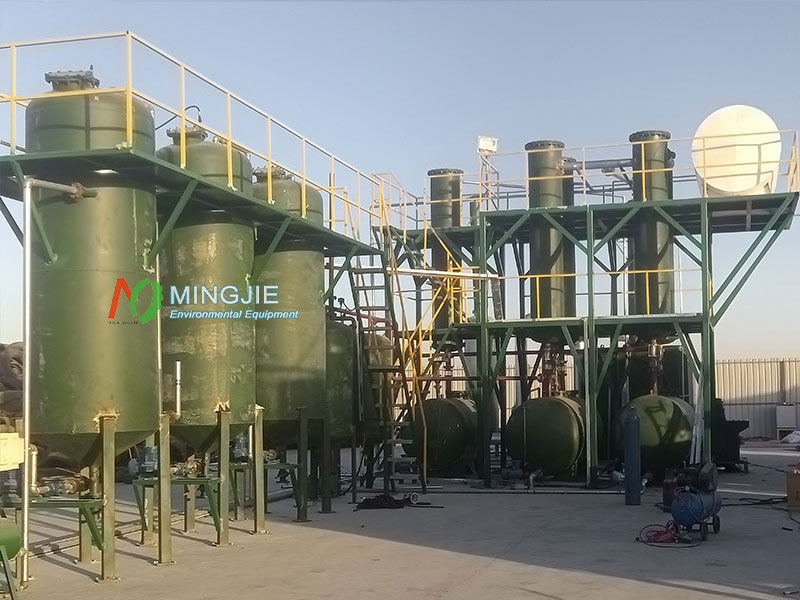
Defining the Waste Oil Distillation Plant
A waste oil distillation plant serves as a specialized refinery for industrial liquid waste. This machinery separates and purifies pyrolysis oil and waste lubricants with high precision. It handles various materials including waste engine oil and used transformer oil. The waste oil distillation plant regenerates these materials through a precise distillation process. This equipment acts as a crucial post-treatment tool for large-scale pyrolysis systems. It turns dark crude pyrolysis oil into a clean and usable fuel product.
The waste oil distillation plant removes specific pollutants that lower the value of raw oil. Engineers design these plants to process heavy contaminants found in industrial lubricants. A waste oil distillation plant maximizes the utility of every liter of waste oil. This technology ensures that recycled oil meets high quality standards for various industrial applications. Owners of tire pyrolysis systems rely on a waste oil distillation plant for secondary refining. It represents a vital link in the modern waste-to-energy production chain.
Technical Secret to Producing Bright-colored Fuel Oil
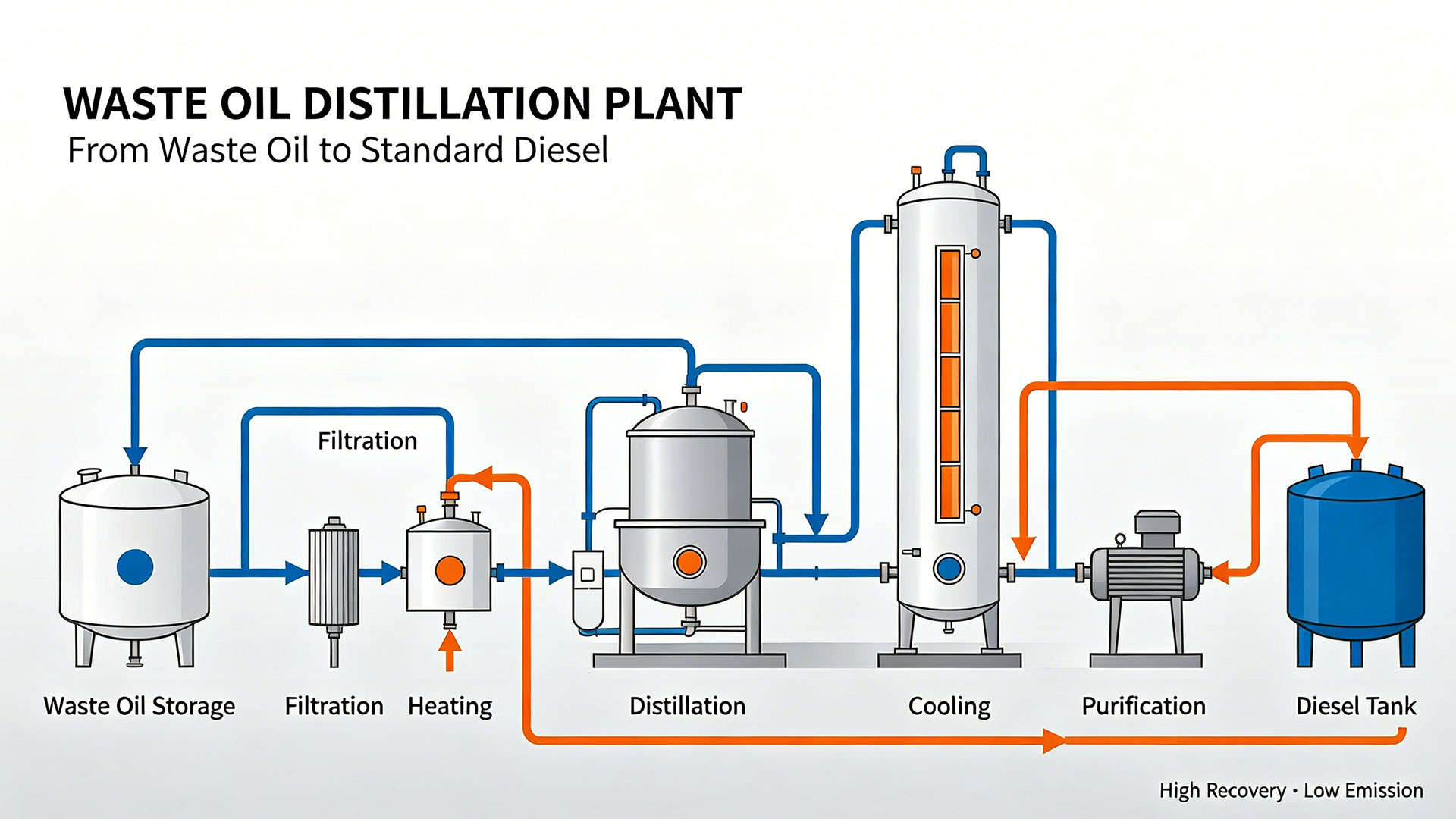
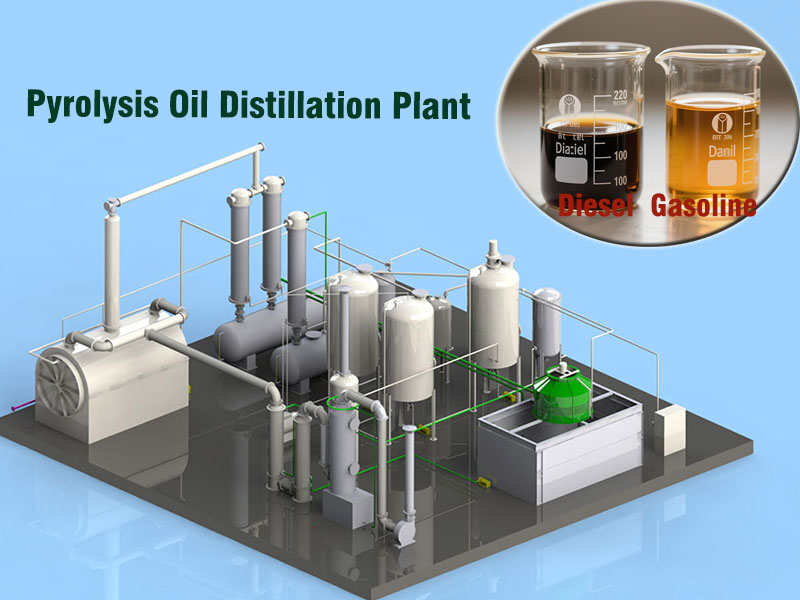
Distillation technology exploits the differences in boiling points among the various components of waste oil. By heating the waste oil to vaporize it and subsequently condensing the vapor into a liquid, the different components can be separated. Distillation can remove water, low-boiling-point impurities, and some high-molecular-weight polymers from the waste oil.

Waste Oil Distillation Process
The waste oil first undergoes pretreatment to remove large particulate impurities and moisture. It then enters a distillation tower. Inside the tower, as the waste oil is heated to a specific temperature, low-boiling-point components vaporize first, these are condensed and collected as light fractions. High-boiling-point components remain at the bottom of the tower as heavy fractions.
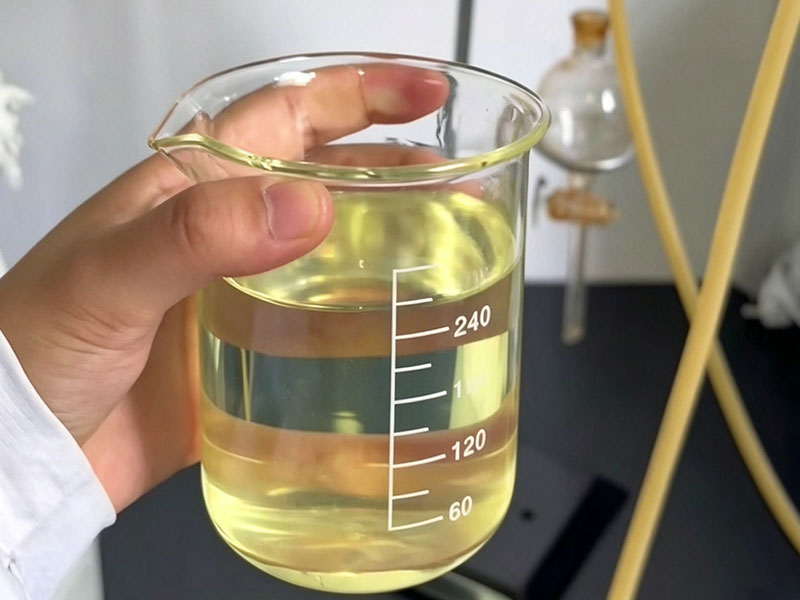
The distillation process requires the decomposition of oil at very high temperatures. A waste oil distillation plant typically operates at temperatures around 420 degrees Celsius. High-temperature treatment effectively breaks down complex hydrocarbon molecules into lighter and cleaner fractions. This technical approach produces bright non-standard diesel or non-standard gasoline.
The waste oil distillation plant upgrades this low-value liquid into a premium, transparent product. Precision cooling and multiple separation stages ensure the oil achieves a bright appearance. Refined fuel from a waste oil distillation plant contains significantly fewer carbon residues. The process also removes high concentrations of sulfur and heavy metals from the liquid. This purification increases the combustion efficiency of the final fuel oil. Clear and bright fuel oil commands a much higher price on the global market. A waste oil distillation plant provides the specific technology needed for this high-grade chemical transformation.
Applications and Market Value of Refined Fuel Oil
Bright non-standard diesel serves many high-demand industrial target markets effectively. Heavy-load low-speed diesel engines and large ships use this refined fuel oil regularly. Diesel generators and industrial heating systems also benefit from this clean, high-energy source. A waste oil distillation plant creates high-value products ready for immediate secondary sale. Global investors obtain a high return on investment through these refined fuels. The waste oil distillation plant provides a cheaper alternative to standard petroleum products.
This value-added aspect makes the distillation process highly profitable for modern businesses. Many industries seek reliable sources of non-standard gasoline for specialized machinery. The consistent quality of the oil ensures long-term contracts with industrial buyers. Refined fuel oil helps companies reduce their overall energy procurement costs significantly. A waste oil distillation plant turns local waste into a valuable global energy commodity. This creates economic stability for regions dealing with high volumes of waste lubricants.
Environmental Impact and Carbon Reduction Goals
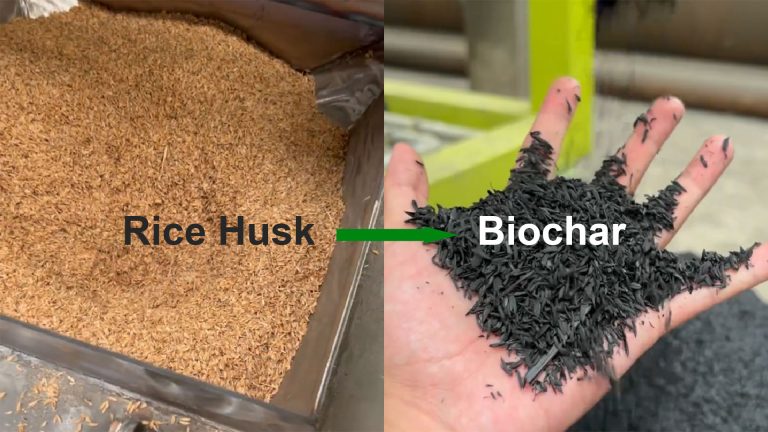
Using a waste oil distillation plant directly supports global environmental protection efforts. This technology reduces CO2 emissions compared to traditional incineration or landfilling methods. It supports a closed-loop economy by returning waste oil to the productive industrial cycle. A waste oil distillation plant prevents the release of hazardous gases like NOx and SO2. This process reduces the volume of hazardous waste that ends up in local landfills. Pyrolysis technology helps achieve sustainable development goals in many emerging nations. Recovered fuel oil and biochar contribute to a greener industrial future for everyone.
The waste oil distillation plant eliminates the need for dangerous biomass incineration. It protects soil and water sources from the persistent dangers of oil contamination. Every waste oil distillation plant promotes the use of clean energy alternatives. This technology aligns with international treaties regarding carbon sequestration and emission reduction. Choosing advanced distillation machinery demonstrates a firm commitment to corporate environmental responsibility.
Future Outlook for Waste Oil Resource Utilization
Investing in a waste oil distillation plant offers long-term benefits for global energy security. The world economy is shifting rapidly toward renewable energy and resource recovery. Innovation in distillation technology remains the key to solving complex waste oil problems. A waste oil distillation plant enables a profitable transition to a circular economy. Technically proven machinery provides the foundation for sustainable industrial growth in all regions. Operators should adopt these systems to maximize their environmental and financial performance.
The waste oil distillation plant will continue to evolve with better purification methods. Future industrial standards will likely require the refining of all used lubricants. This technology ensures that waste oil never becomes a permanent environmental liability. Reliable distillation machinery provides a clear path to a cleaner, more prosperous planet. The waste oil distillation plant represents a smart investment for a sustainable green future. Forward-thinking companies use this technology to lead their industries in environmental performance.