Tyre pyrolysis plant offers an optimal pathway for the waste car tyre disposal, balancing ecological benefits, economic returns, and low-carbon value. Pyrolysis technology enables the efficient conversion of waste tires into alternative fuels and recycled materials. It not only fundamentally addresses solid waste pollution, but also supplements the supply of clean energy.
Hundreds of millions of tons of waste tires are generated globally each year. Due to their exceptional resistance to heat, mechanical stress, and degradation—meaning they do not naturally decompose for decades—they have earned the label black pollution. The waste car tyre disposal has become a major global challenge requiring urgent resolution. Against this backdrop, circular solutions centered on pyrolysis plant is emerging as leading approaches, transforming waste tires from an environmental burden into valuable resources.
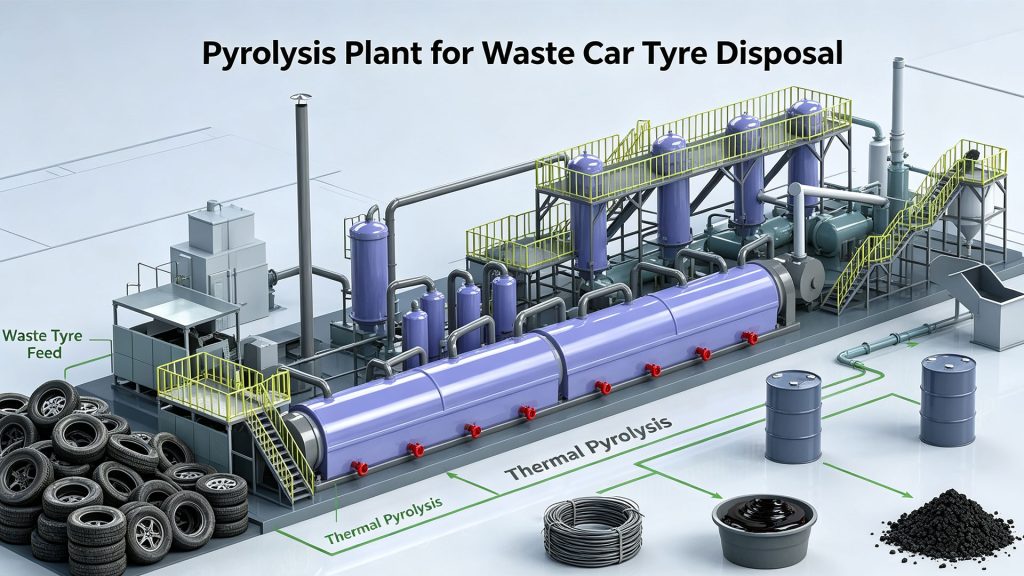
Pyrolysis Plant for Waste Car Tyre Disposal
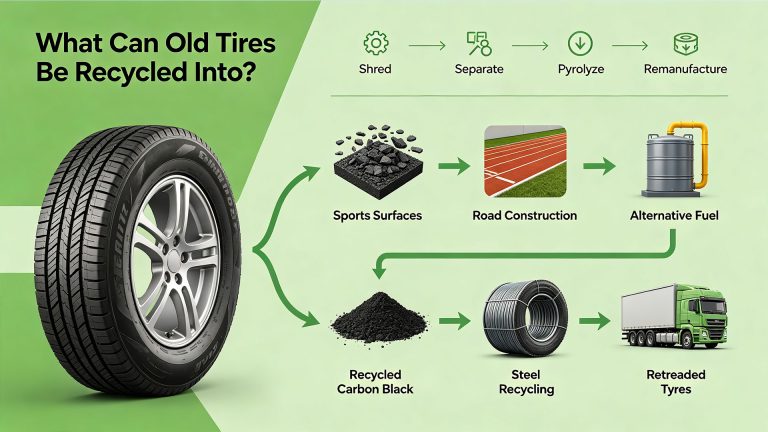
Pyrolysis plants are currently recognized as the best equipment for waste car tyre disposal. The technology decomposes the high-molecular-weight compounds within tires into reusable products in a high-temperature, oxygen-free environment. The waste car tyre disposal products are pyrolysis oil, carbon black, steel wire, and syngas.
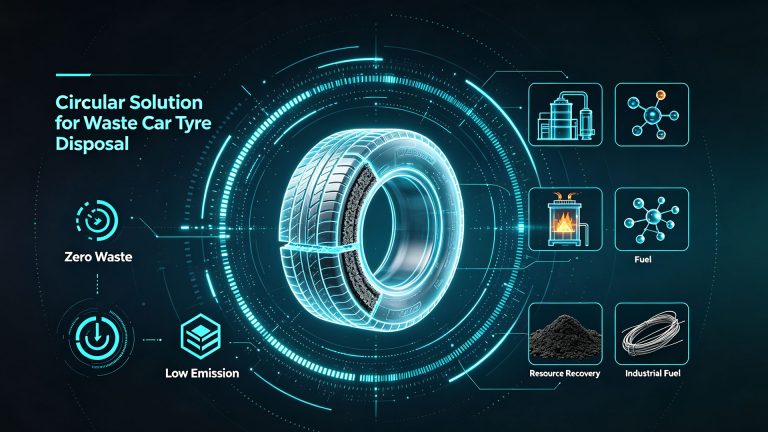
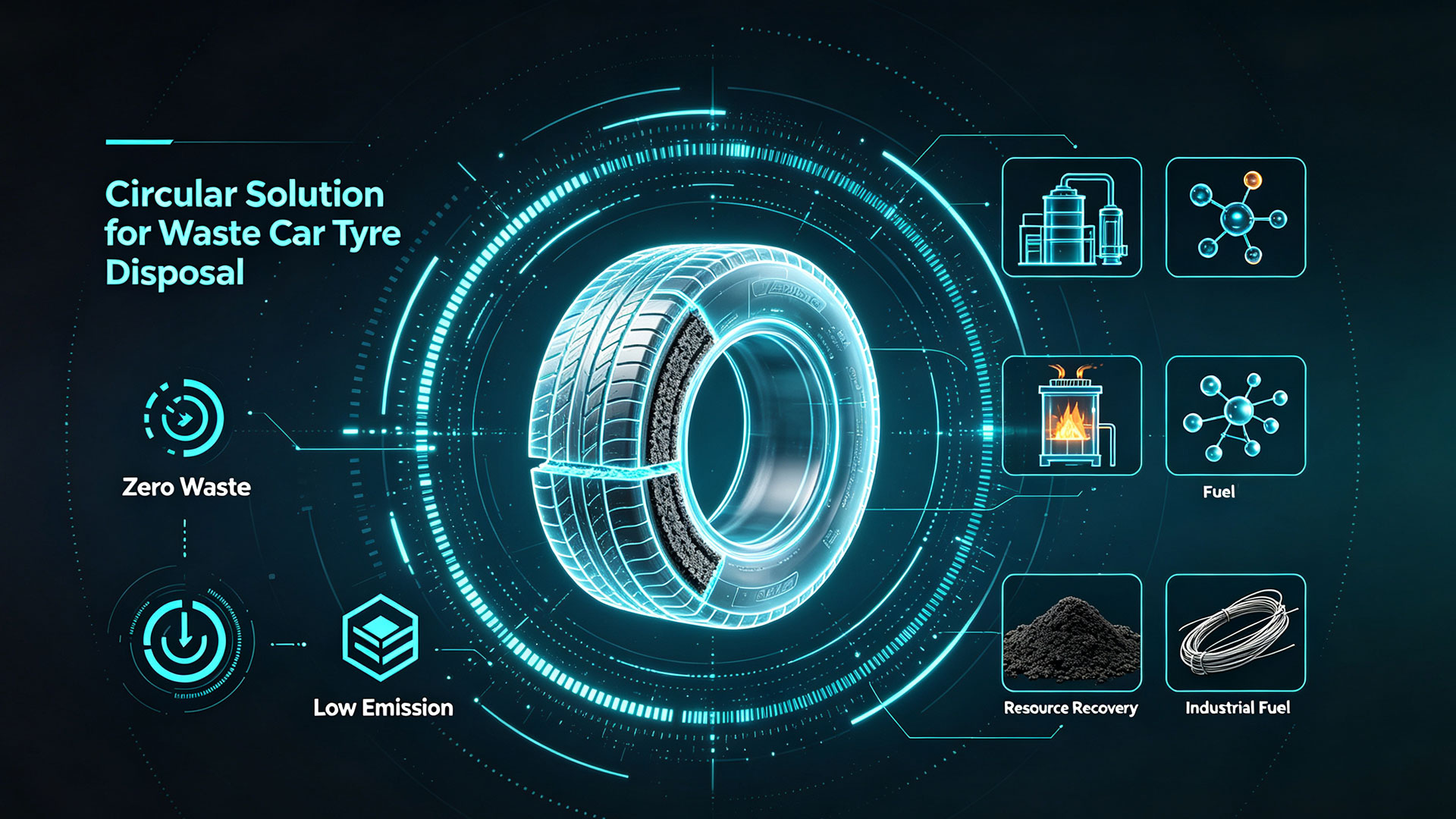
The core advantage of the pyrolysis technological approach is its 100% comprehensive utilization. It fully extracts value from waste tires, achieving Zero Emissions, Zero Residue, Zero Pollution, and Total Utilization.
Waste Car Tyre Pyrolysis Products
Pyrolysis oil has a high calorific value (approximately 40 MJ/kg), making it an ideal fuel for industrial boilers and asphalt mixing plants. Through further processing, it can also be converted into high-value fuels such as marine fuel, aviation kerosene, and recycled automotive diesel.
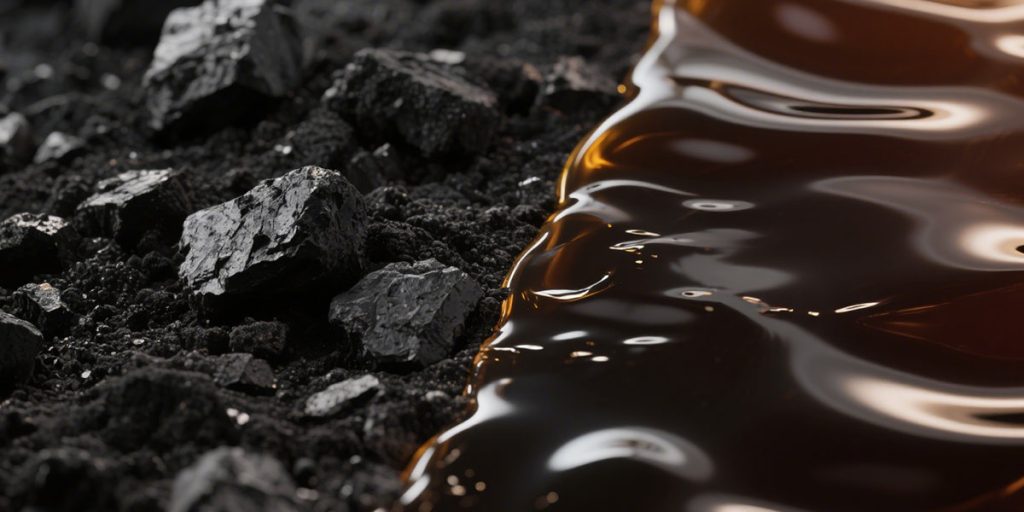
After undergoing deep processing, the reinforcing properties of recovered carbon black (derived from tire pyrolysis) can essentially match those of industrial-grade N660 carbon black. It can be widely used as a substitute for industrial carbon black in sectors such as tire and conveyor belt manufacturing.
Recovered steel wire can be re-smelted for metal production.
The combustible gas produced has a high calorific value. After purification, it can be recycled as fuel for the tyre pyrolysis plant own operations.
Advancements in Pyrolysis Technology
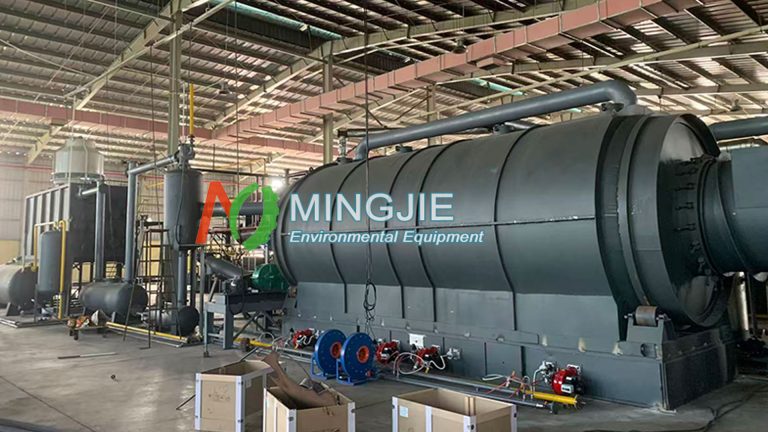
The transition from batch processing to continuous production marks a significant milestone in pyrolysis technology. Mingjie fully fully automatic pyrolysis plant enables intelligent continuous operation for tire pyrolysis to fuel oil.
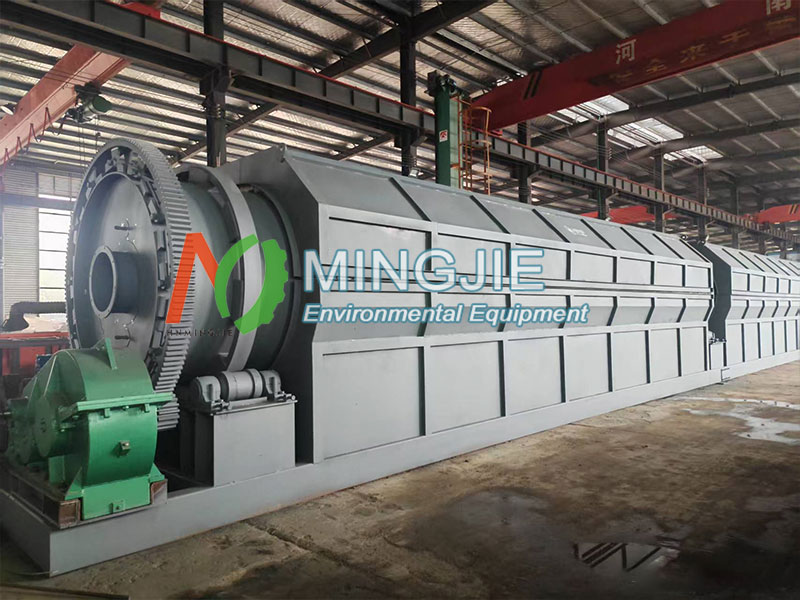
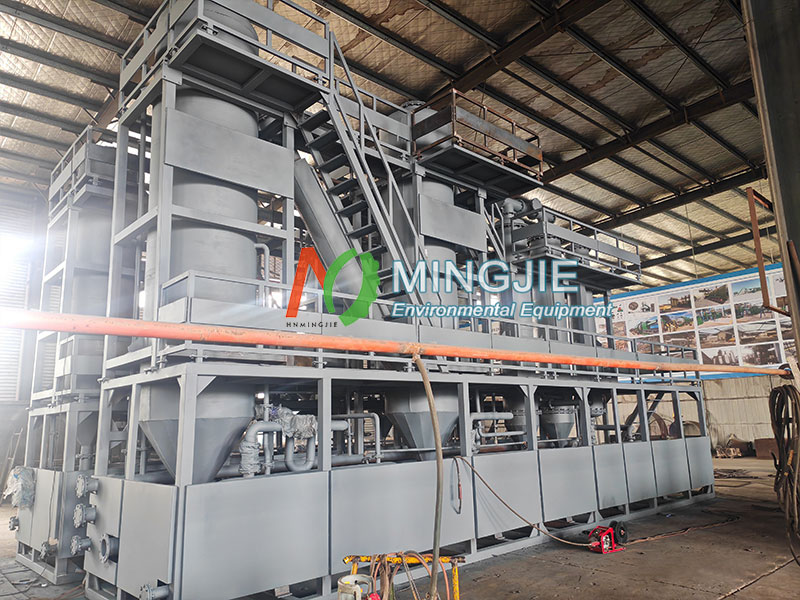
The continuous tire pyrolysis plant integrates a feedstock processing system, a pyrolysis system, a condensation system, an intelligent control system, and comprehensive environmental protection equipment.
After undergoing shredding, impurity removal, and pre-treatment, the waste tire feedstock enters the pyrolysis reactor via a sealed conveying system. The entire pyrolysis process operates under negative pressure within a sealed environment, effectively preventing exhaust gas leakage.
The flue gas purification and wastewater recycling systems fully comply with environmental standards for waste treatment.
Additionally, the automated control system reduces labor costs and ensures consistent product quality. Ultimately, this enables the large-scale, continuous waste car tyre disposal.
Closed-Loop Recycling: From Old Tires to New Tires
Waste tire pyrolysis plant, with resource recycling and low-carbon emission reduction as its core, transforms waste tires into green resources. Through a closed-loop system across the entire chain, it not only completely solves the problem of black pollution from waste tires, but also provides stable and clean fossil fuel alternatives for the industrial sector.
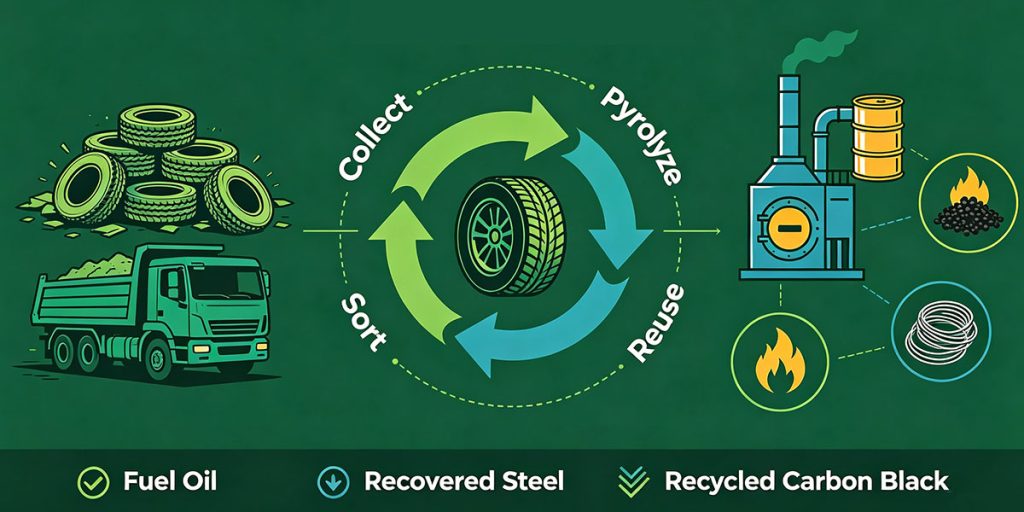
The ultimate goal of the circular economy for waste car tyre disposal is to achieve a true closed loop, where recycled products derived from end-of-life tires are reintegrated into the production of new tires. This vision is now becoming a reality.
In 2025, tire giant Michelin announced a partnership with Murfitts Industries, the UK’s largest tire recycler, to invest £14 million in a waste tire pyrolysis plant. The facility will use pyrolysis to process end-of-life tires, producing recovered carbon black suitable for direct use in new tire manufacturing, while the resulting pyrolysis oil will serve as an alternative fuel.
Even more notably, the syngas generated during the tyre pyrolysis process will be supplied directly to the Michelin plant, replacing the natural gas required for the tire vulcanization stage. This initiative is expected to reduce CO2 emissions by 1,500 tonnes annually.