Waste tire/waste plastic pyrolysis oil has opened a gateway from waste to circular economy. Pyrolysis oil with ISCC certification is no longer merely a waste conversion product. It is a compliant raw material capable of entering high-value international markets and participating in carbon emission reduction trading.
Pyrolysis oil, produced through the pyrolysis of waste tires and plastics, is a core product in the chemical recycling sector. ISCC (International Sustainability and Carbon Certification) certification has transformed from a bonus option into a mandatory requirement for entering high-end international markets. Successfully obtaining ISCC certification for pyrolysis oil signifies that waste-to-energy pyrolysis plants officially possess a green passport to the European and American markets. This enables a value leap from low-end industrial fuel feedstock to sustainable circular carbon feedstock.
What is ISCC Certification?
ISCC (International Sustainability & Carbon Certification) is a global, independent certification system and the most important global sustainability certification for the waste pyrolysis industry. It aims to provide proof of sustainability, traceability, and carbon reduction contributions for biomass, circular feedstocks, and renewable fuels. The sustainability certification system covers the entire supply chain, from raw material collection and processing to the sale of final products.
There are two main certification pathways for pyrolysis oil from waste tires and waste plastics:
ISCC EU: Adapted to the EU energy and fuel market, meeting the Renewable Energy Directive (RED III) regulations. Pyrolysis oil can be used as a sustainable feedstock for biofuel and co-processing fuel production, with mandatory calculation of life-cycle greenhouse gas emission reduction targets.
ISCC PLUS: Targeting the global chemical market, suitable for using pyrolysis oil in refineries to produce chemical monomers and synthetic materials. It relies on a mass balance mechanism to solve the traceability problem of mixed processing of recycled and fossil feedstocks. This is also the common standard used by multinational companies such as BASF, Shell, and Pirelli for procuring recycled feedstocks.
ISCC Certification Core Assessment Criteria
- Full-chain traceability: From the source of waste tires and waste plastics recycling, logistics and transportation, factory pyrolysis production, to the sale of finished products. A closed-loop ledger is established for all batches of materials, enabling reverse traceability.
- Sustainable compliance: Raw materials are prohibited from originating from ecological protection zones; waste gas, wastewater, and solid waste disposal are standardized; and labor rights are protected.
- Carbon footprint accounting: Independent third-party calculations of greenhouse gas emissions throughout the entire process of raw material collection, pyrolysis production, storage, and transportation quantify carbon reduction benefits.
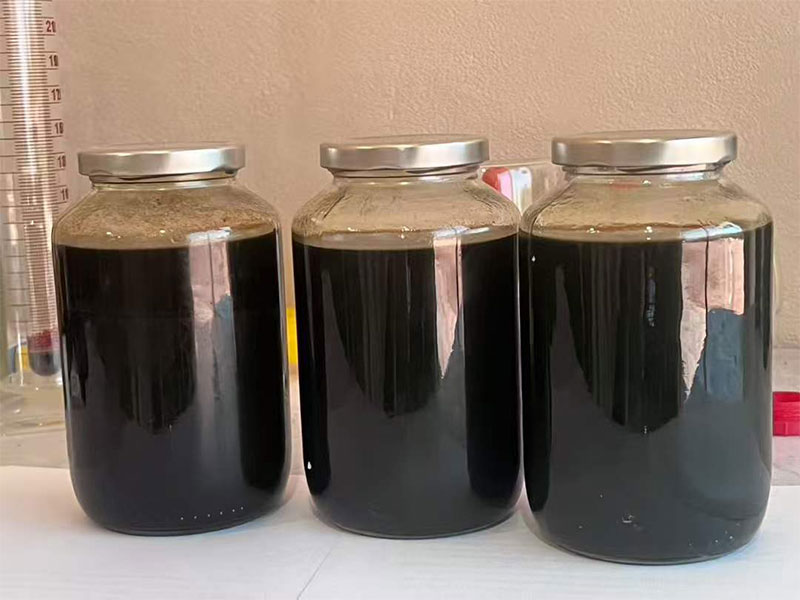
How to Obtain ISCC Certification for Pyrolysis Oil?
For companies planning to pursue ISCC certification for pyrolysis oil, the following steps are typically required:
- Choose the appropriate certification path: Based on product application and target market, choose ISCC PLUS, ISCC EU, or dual certification.
- Engage an ISCC-accredited certification body: Conduct document review and on-site assessment.
- Register in the ISCC system: Register the company and products to prepare for certification and traceability.
- Undergo an audit: Submit documents and cooperate with on-site inspections, covering raw materials, production, and supply chain management.
- Obtain certification: The certificate is typically valid for one year and requires annual surveillance audits to maintain its validity.
Obtaining ISCC certification for pyrolysis oil is more than just a qualification certificate. It is a comprehensive reflection of the strength, operational standardization, and globalization strategy of a pyrolysis company. The continuous pyrolysis plant is equipped with a digital production management system, which can efficiently record production data and batch information. This is the hardware foundation for successfully passing the ISCC audit.
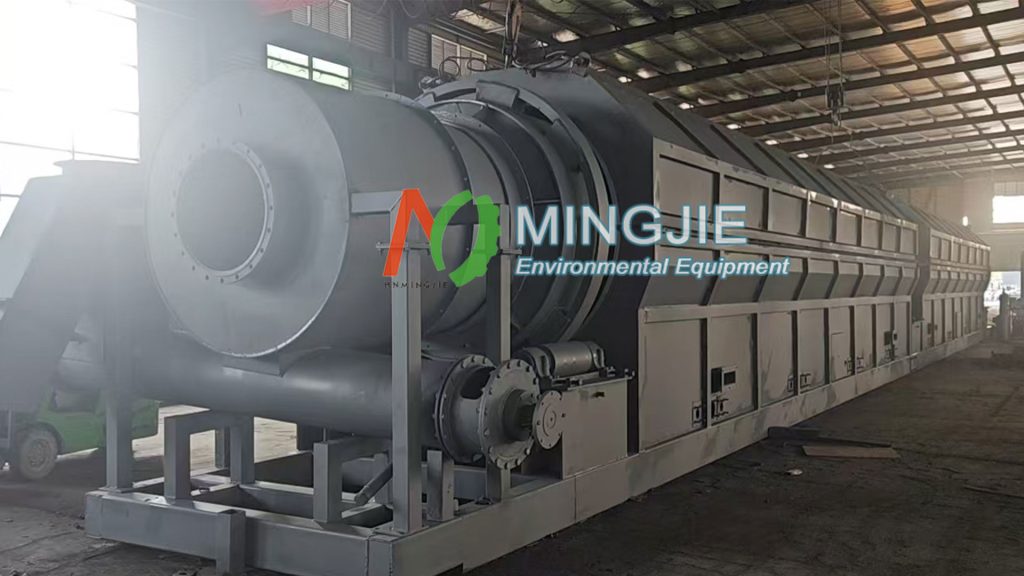
Continuous Pyrolysis Plants Promote Solid Waste to Circular Economy
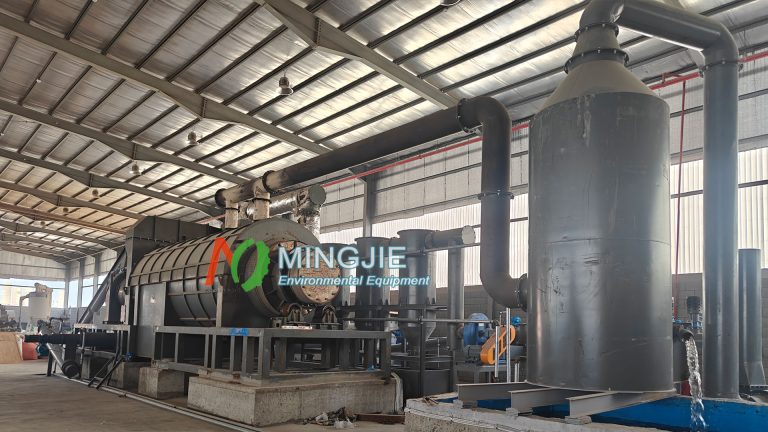
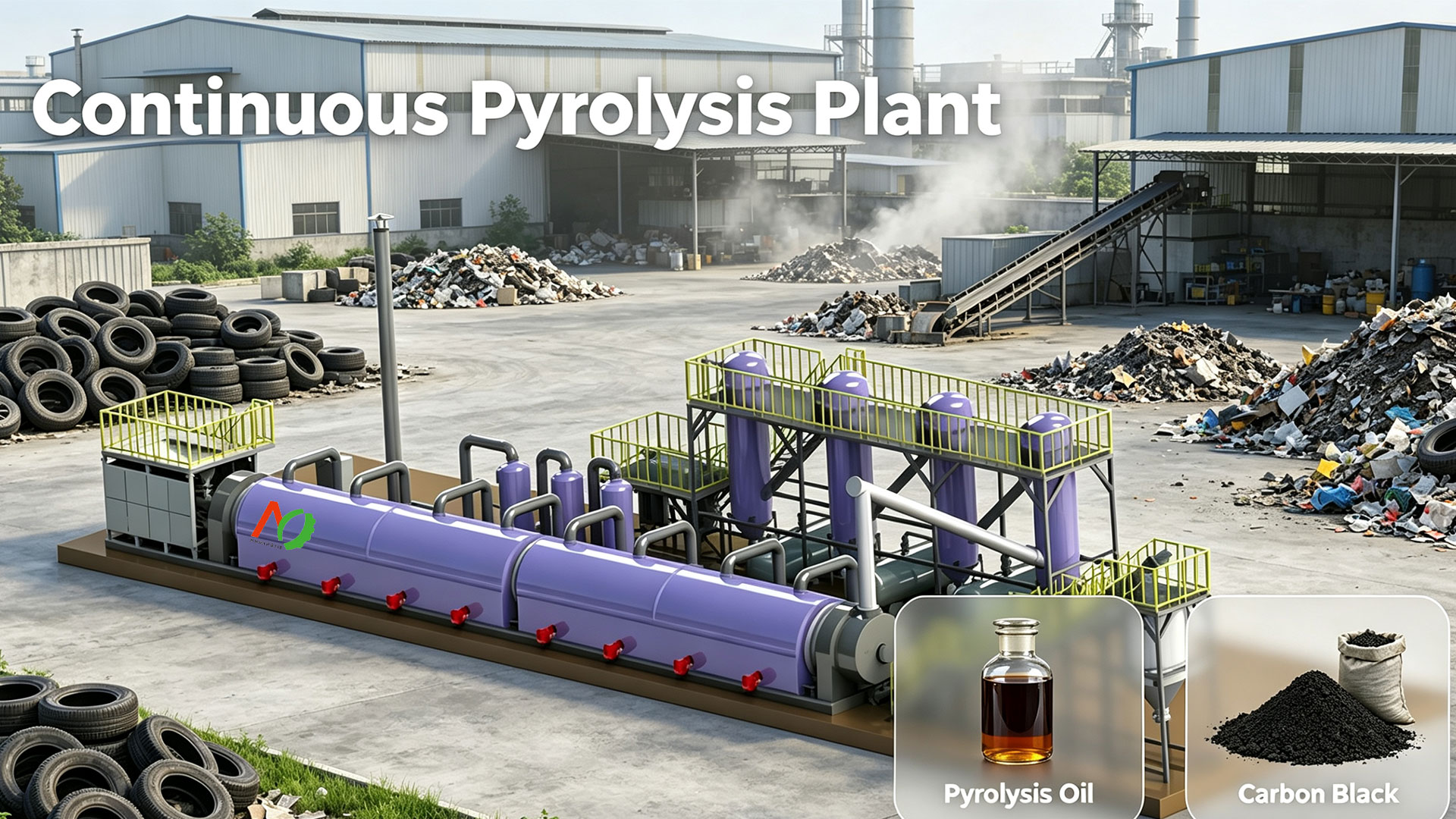
The continuous pyrolysis plant forms the core hub from waste to circular economy. Plastic and tire waste are converted into pyrolysis oil through pyrolysis equipment. Intelligent continuous pyrolysis equipment can stably produce pyrolysis oil of uniform quality. It is also equipped with a complete exhaust gas purification and product collection system.
Pyrolysis oil is the only liquid recycled carbon product in the entire solid waste pyrolysis project that can be widely circulated and traded across regions. Pyrolysis oil with ISCC certification can enter the supply chains of European and American refineries and multinational chemical companies, achieving a significant green premium compared to ordinary industrial fuel oil. High-quality, traceable pyrolysis oil is a green passport for solid waste resource utilization projects to enter the international recycling market.
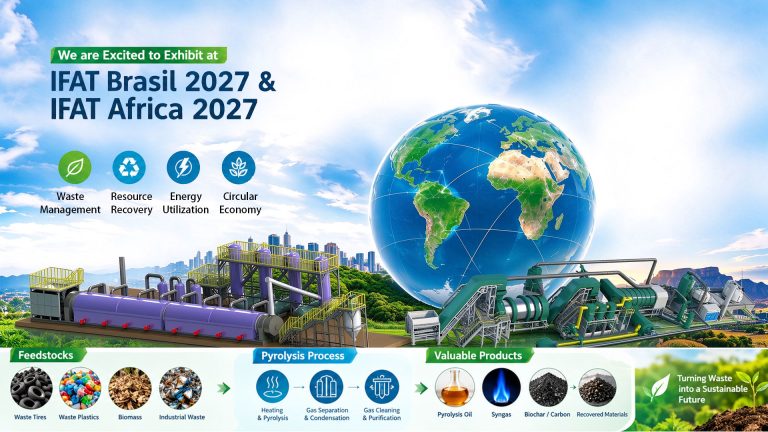
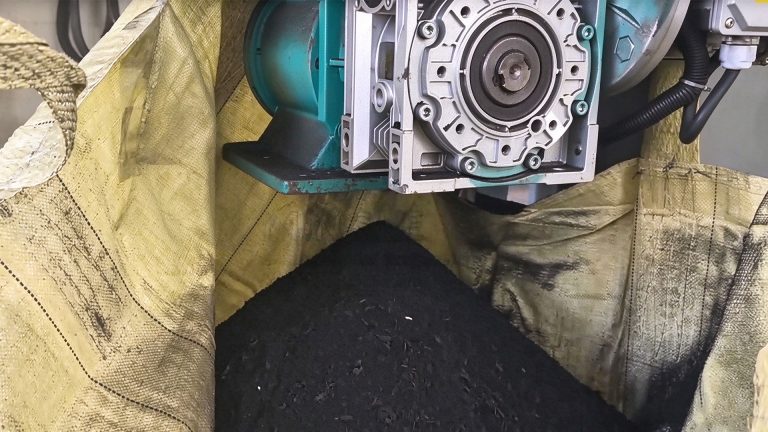
The waste tire and plastic pyrolysis production line produces three main products: pyrolysis oil, carbon black, and syngas. Syngas can be recovered and used as heating energy for the pyrolysis reactor, achieving energy self-sufficiency. The solid product, carbon black, can be further processed as a rubber reinforcing agent. Pyrolysis oil with ISCC certification has flexible and diverse application paths: it can be used as industrial fuel, deeply refined for marine fuel, and used as a chemical recycling raw material to produce new materials.
The pyrolysis oil with ISCC certification circularity is standardized, traceable, and tradable. This upgrades pyrolysis oil from an environmental treatment product to a compliant industrial feedstock. Whether it is ISCC EU or ISCC PLUS, the certification opens up access to high-value markets for pyrolysis oil.