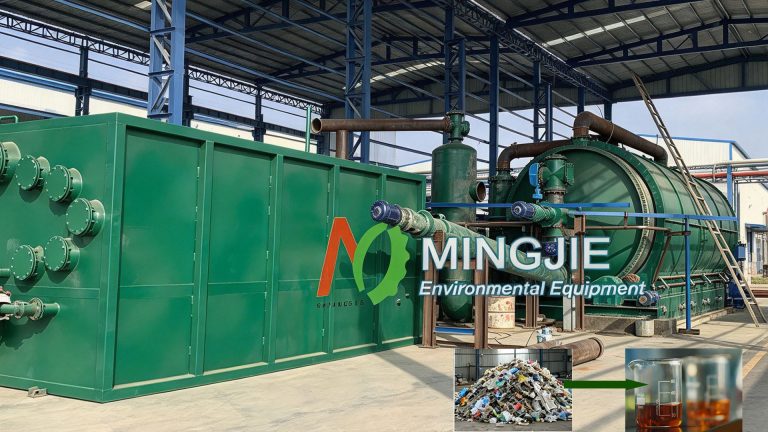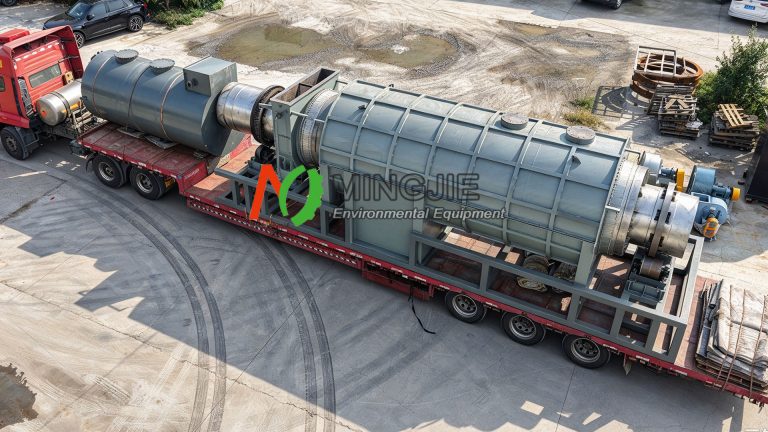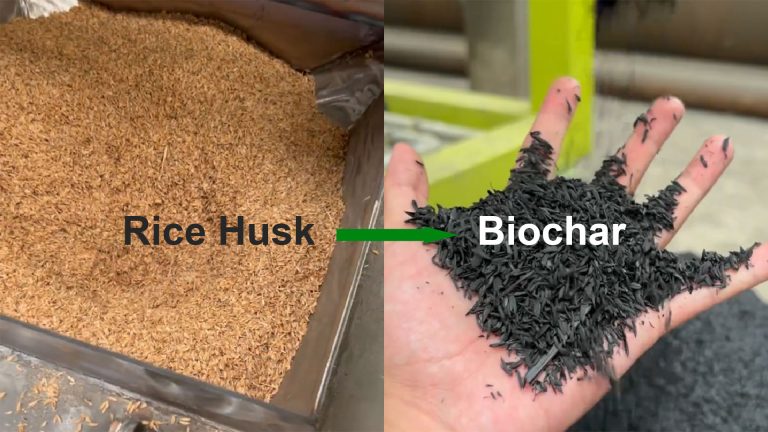

The complete continuous rice husk carbonization system includes feeding, carbonization, energy recovery, continuous discharging, flue gas purification and control systems. Compared with traditional batch carbonization equipment, continuous biomass carbonization plants are more suitable for industrial biochar projects with stable raw material supply and long-term operation.
The actual value of a continuous rice husk carbonization plant should be judged by long-term stable operation capabilities, qualified product output, energy consumption, maintenance frequency and comprehensive operating costs.
The selection of continuous rice husk carbonization equipment requires comprehensive consideration of multiple factors, including raw materials, production, rice hull biochar products and project planning. The situation of different rice husk raw materials may vary greatly. The configuration of continuous rice husk carbonization equipment depends on the moisture content of the raw material, bulk density, supply volume and product use.
Choose Pretreatment System for Biomass Feedstocks
Grinding of Rice Husk Feedstock
Upon seeing a continuous biomass carbonization plant, many clients ask: “Do the rice husks need to be ground further before entering the equipment?” In reality, not all feedstocks require excessive grinding.
For continuous biomass carbonization projects, the guiding principle is simple: the feedstock particle size need only meet the requirements of the carbonization equipment.
Before the biochar project design phase, we recommend that clients provide actual rice husk samples or relevant feedstock specifications. By analyzing the feedstock, we can determine whether additional pre-processing equipment (grinders or screeners) is necessary.
Drying of Rice Husk Feedstock
Moisture content is a critical factor in rice husk biochar production. The moisture content of rice husks can vary significantly depending on the region, season, and storage conditions.
Higher feedstock moisture content requires the carbonization system to consume more heat for evaporation during operation. This impacts not only energy consumption but also the processing capacity of continuous biochar production equipment and the stability of the carbonization process.
Therefore, for rice husk carbonization projects, key considerations include: the standard moisture content of the feedstock, moisture levels during the rainy season, the material’s tendency to absorb moisture during storage, the necessity of a drying system, and the configuration of the heat source for drying.

Decisions regarding the installation of drying equipment should not be based on a single test result alone; instead, a comprehensive assessment based on long-term feedstock supply conditions is required. A well-designed continouous biochar production line must account for potential variations in the feedstock.
Rice Husk Storage and Feeding System Design
Unstable upstream feeding can impact the entire rice husk biochar production process.
Due to their low bulk density and high volume, rice husks can present challenges during storage and conveying, such as bridging, accumulation, uneven discharge, fluctuating feed rates, material segregation, and airborne dust.
Consequently, the feedstock storage and feeding system for a rice husk carbonization line must be designed with the specific characteristics of the material in mind.
A well-designed continuous feeding system typically requires consideration of the following:
Feedstock Storage Bin Design
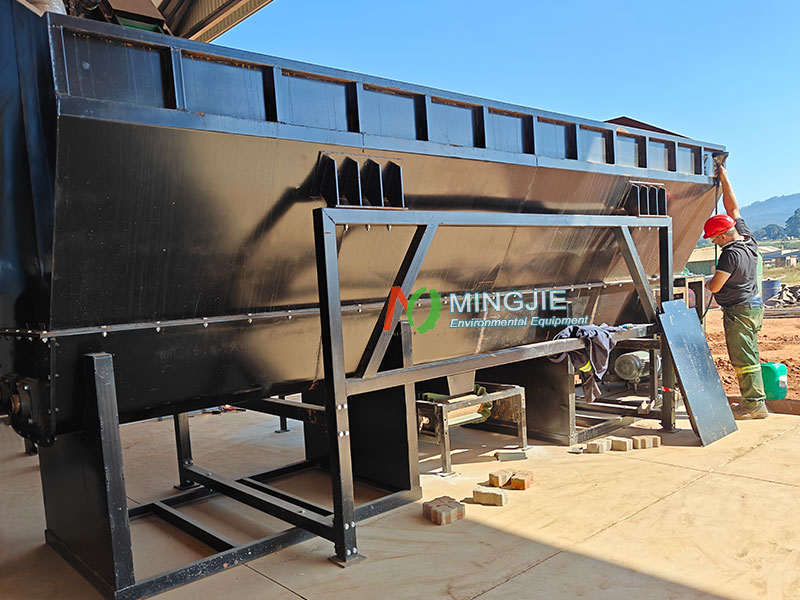
The silo must provide adequate storage capacity while also accounting for material flow characteristics. Moisture content, bulk density, and particle size can vary between batches of rice husks. Therefore, equipment parameters should not be determined based on the analysis of a single batch alone.
Feeding System Design
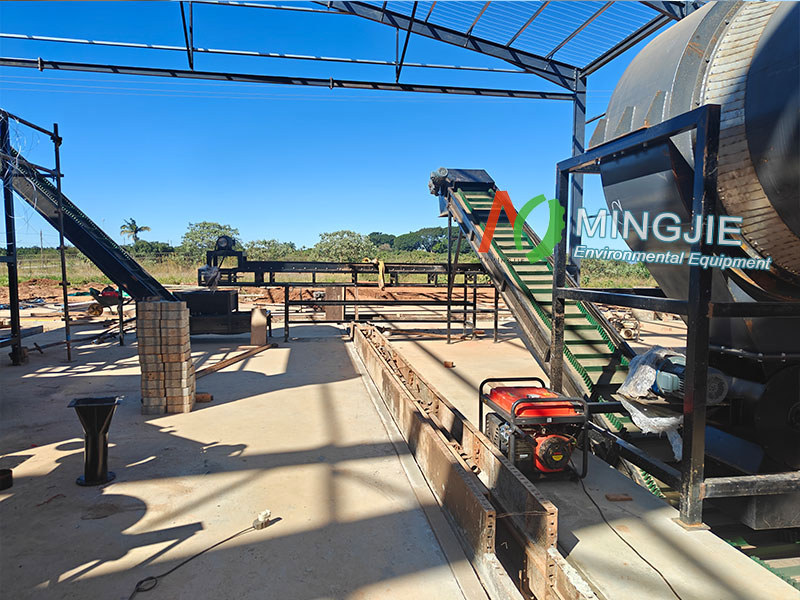
Continuous rice hull biochar prodduction requires a steady, consistent flow of feedstock into the carbonization system. Significant fluctuations in feed rate can affect the material load within the furnace, heating conditions, and the carbonization process itself. Thus, effective metering and feeding mechanisms are crucial for stable production.
Sealing and Air Ingress Prevention
For a continuous biomass carbonization plant, the carbonization reactor is merely one core component of the overall system.
The rice husk carbonization process generally takes place under controlled oxygen supply or low-oxygen conditions. If the feeding system lacks adequate sealing, large amounts of air may enter the high-temperature system, potentially compromising the carbonization environment and the operational stability of the equipment.
Therefore, the feeding system for a continuous carbonization line must do more than simply transport material. It must effectively integrate stable feeding, equipment sealing, and continuous operation.
Selection of Carbonization Reaction System
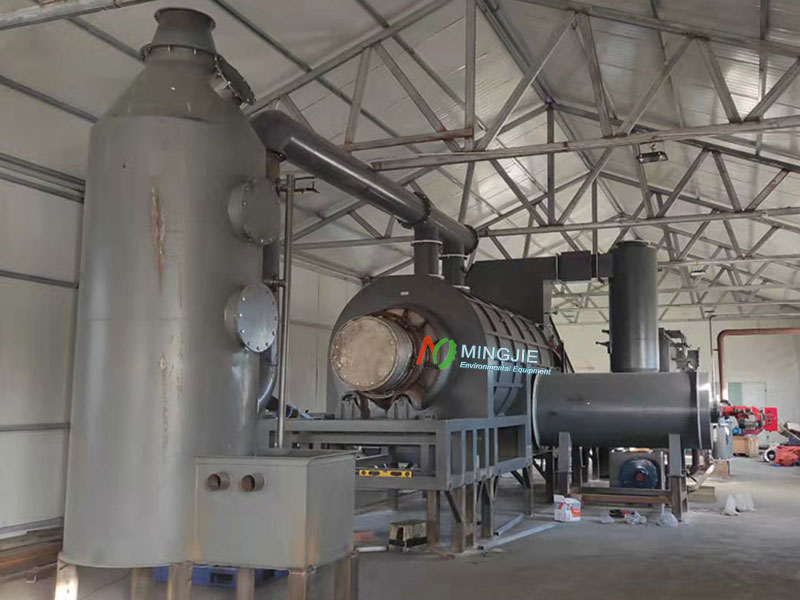
The continuous carbonization/pyrolysis system is the core of the entire continuous rice husk carbonization plant. It primarily comprises a continuous carbonization/pyrolysis furnace, a heating system, furnace insulation, temperature and pressure monitoring systems, oxygen/atmosphere control, and an internal material conveying mechanism.
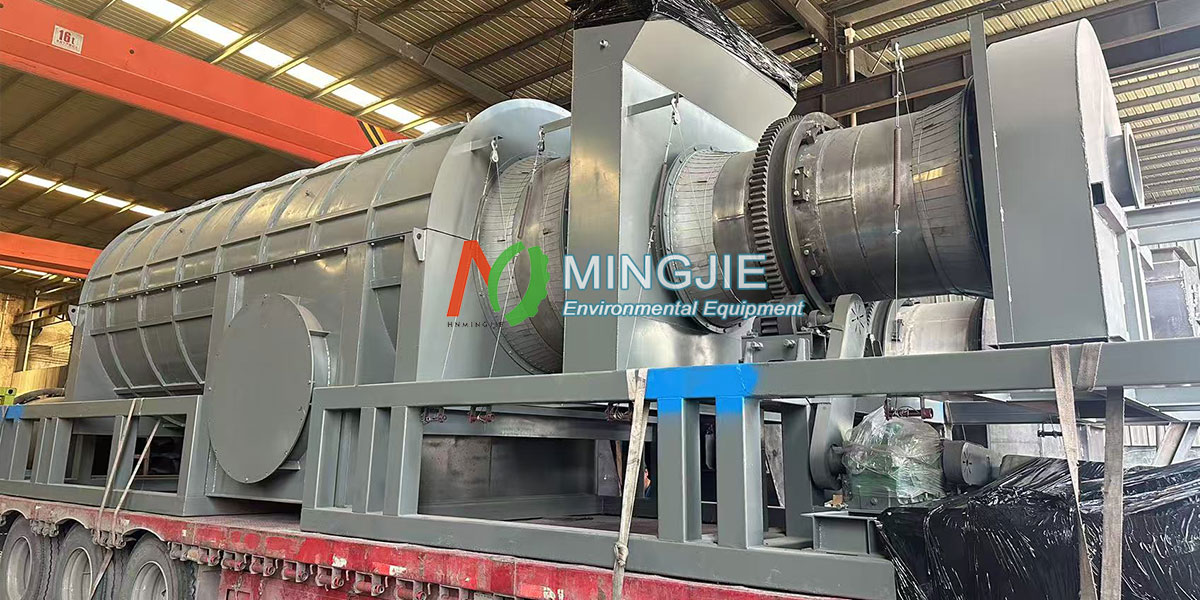
The carbonization reactor serves as the heart of the system and typically employs a rotary furnace design. The furnace body often features a double-shell structure, with the interior usually divided into drying, pyrolysis, and carbonization zones.
Customers can select carbonization equipment based on their rice husk processing capacity. Mingjie Group offers a range of biomass carbonization plant models, including the MJT-100, MJT-500, MJT-1000, MJT-2000, MJT-3000, and MJT-5000.
Energy Recovery System Design
How to use the syngas generated during the carbonization process of rice husk? During the rice husk pyrolysis carbonization process, certain flammable gases will be produced. Through reasonable system design, this part of the gas can be processed centrally and used for system heating according to process needs.
The basic thermal energy utilization logic can be understood as: rice husk → pyrolysis → generation of syngas → combustion of syngas → generation of thermal energy → used in the carbonization system. This method can improve the energy efficiency of the entire rice husk carbonization system and reduce dependence on external fuels.
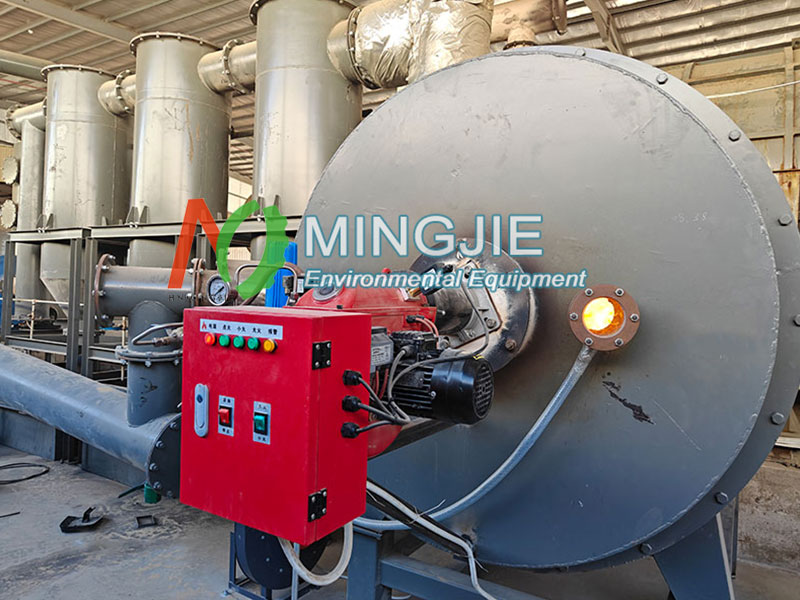
Of course, the actual operation methods of different rice husk biochar projects will be affected by factors such as raw material characteristics, processing capacity, equipment structure, and production technology. Therefore, during the project design phase, heat balance calculations and system configuration need to be performed based on actual conditions.
Continuous Discharging System Design
The carbonized high-temperature rice husk biochar cannot be directly exposed to the air, otherwise it will easily oxidize or even burn. Therefore, continuous carbonization systems usually need to be equipped with corresponding cooling devices. Rice husk biochar undergoes controlled cooling before being transported, stored or packaged.
A reasonable continuous discharging system should be equipped with a cooling system. It can lower the temperature of biochar and reduce the direct contact between high-temperature carbon and air. At the same time, it prevents product abnormalities during storage and meets subsequent transportation and packaging requirements.
Therefore, for a continuous rice husk carbonization plant, the end of the carbonization reaction does not mean the end of the entire biochar production process. Safe and stable discharging and cooling are also important components of a complete biochar production line.

Design of Exhaust Gas Treatment System
Rice husk is a relatively light biomass raw material and may generate dust during transportation, feeding and carbonization processes. The fine carbon powder after rice husk carbonization also needs to be reasonably controlled.
Environmental protection and safety requirements may differ in different project locations. Therefore, dust control and safety measures need to be designed based on actual local requirements.
For industrial rice husk carbonization projects, the focus of carbonization equipment is not only to be able to produce biochar. It also needs to consider long-term stable operation + safe production + environmental protection support.
Conclusion
To build a stable continuous rice husk carbonization project, we cannot just focus on the theoretical processing capacity of the carbonization reactor itself. It is even more necessary to carry out overall planning from the aspects of raw material storage, continuous feeding, pyrolysis carbonization, combustible gas utilization, dust control, carbonized material cooling and subsequent product processing.
For rice husk biochar continuous production enterprises, choosing a suitable continuous rice husk carbonization system is an important basis for realizing the utilization of rice husk resources. Mingjie Group can provide customers with corresponding carbonization equipment solutions based on different raw materials and project needs.