How to Achieve Rice Hull Biochar Continuous Production

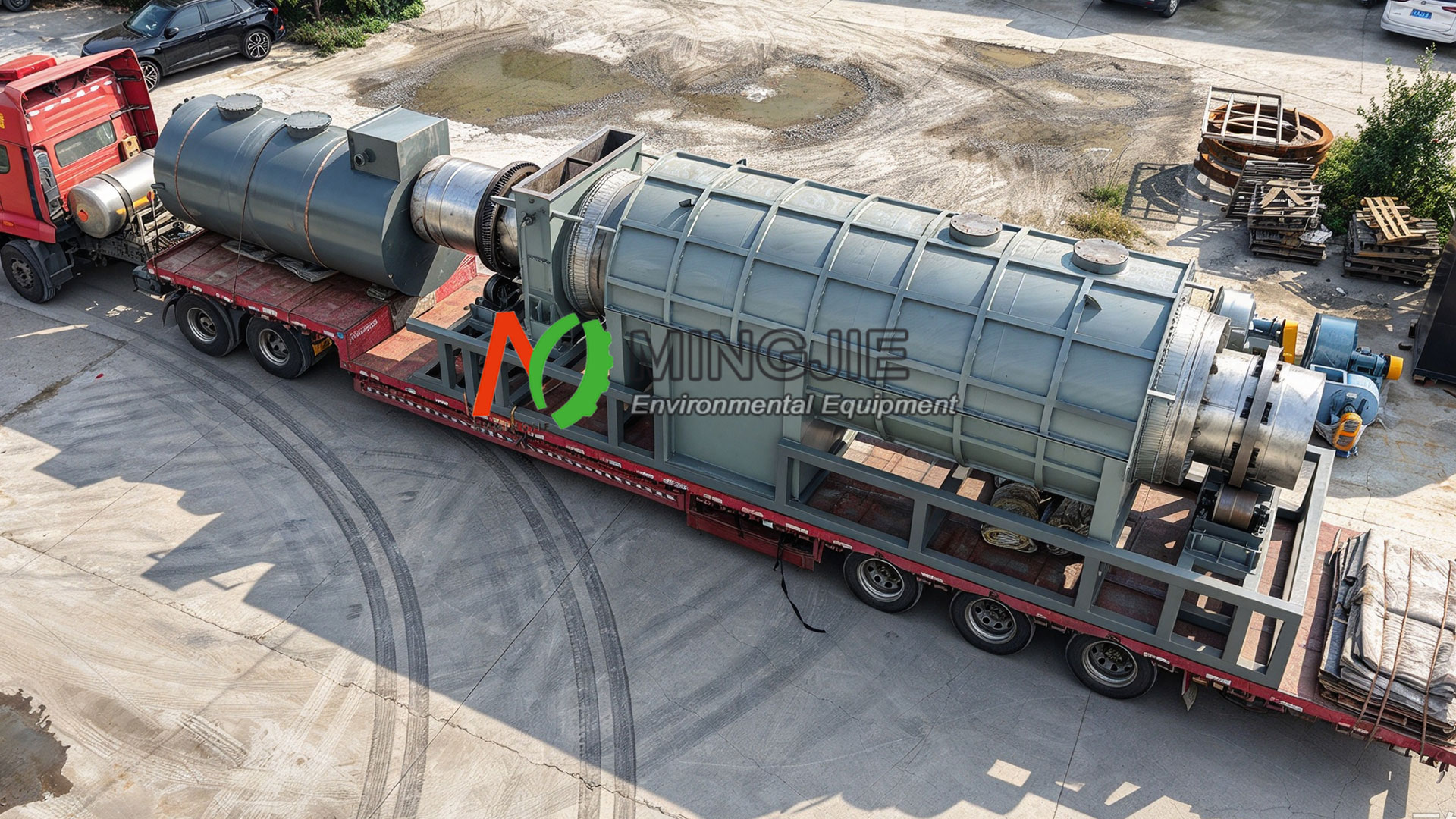
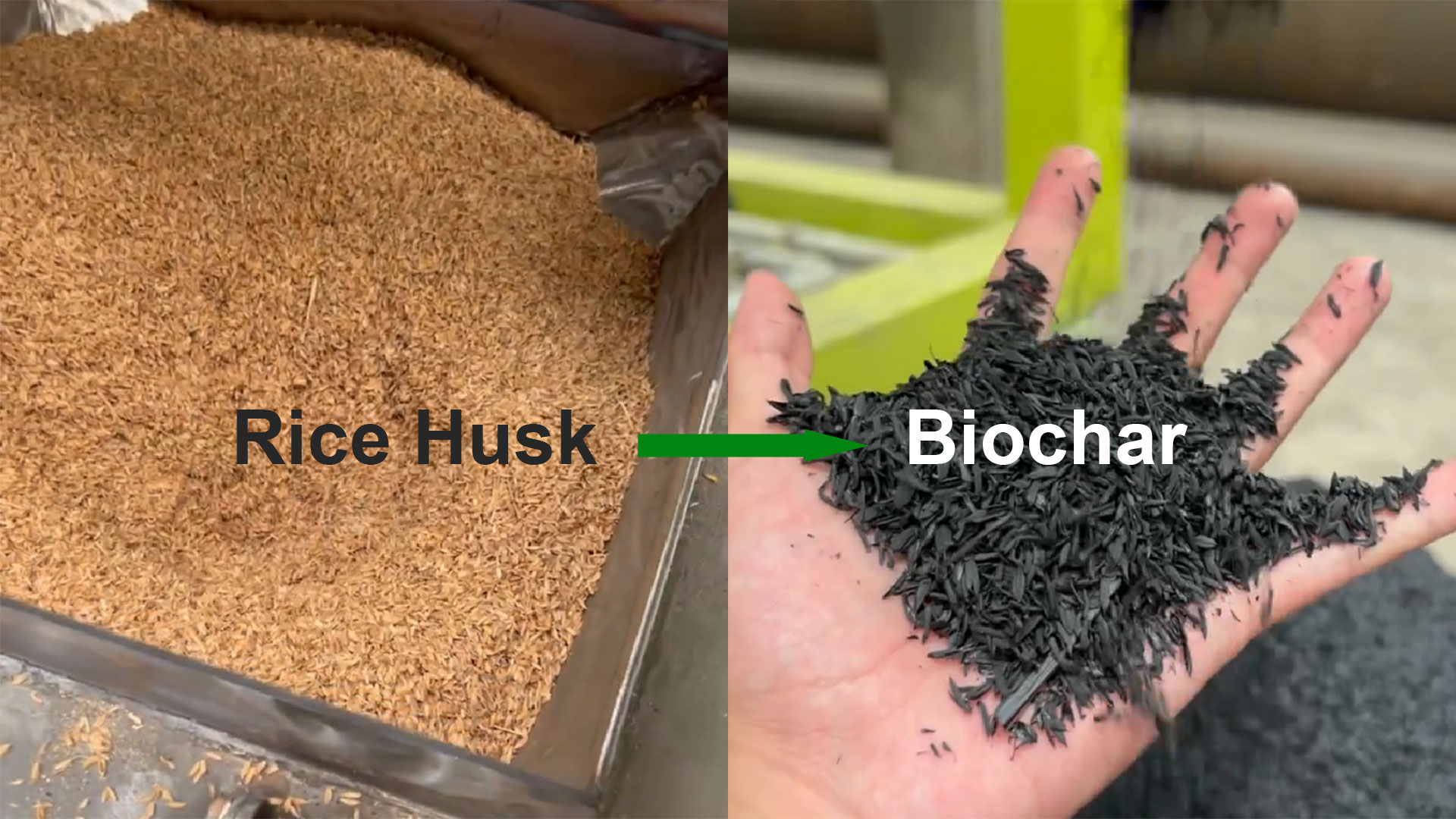
Rice Hull Biochar Continuous Production

Rice hulls/husks are a major agricultural byproduct of rice processing and hold immense value for resource utilization. Rice hull biochar is characterized by a porous structure, high silica content, and strong adsorption capabilities. It is widely used in fields such as soil amendment, wastewater treatment, industrial metallurgy, and activated carbon production. The Mingjie continuous biomass … Read more

How Biochar Carbon Removal Market Drive Biochar Industry Transformation

How Biochar Carbon Removal Market Drive Biochar Industry Transformation

Biochar, as one of the few scalable engineered carbon removal technologies, has seen explosive growth in sales through carbon credit (BCR) trading. Microsoft signed a 1.24 million-ton biochar carbon removal (BCR) offtake agreement in 2025. This deal not only broke industry records but also sent a clear signal: the purchasing power of the biochar carbon … Read more

How to Produce Biochar from Palm Fiber Waste?

How to Produce Biochar from Palm Fiber Waste

Palm fiber is a high-quality raw material for making biochar. Palm fiber belongs to the lignocellulosic category of agricultural and forestry waste, with a carbon content of 45%–55%, extremely low sulfur and nitrogen impurities, and a loose fiber structure. Biochar from palm fiber can be produced through pyrolysis carbonization technology. Due to the lightweight, fluffy, … Read more

Why is Biomass Pyrolysis Technology the Most Mainstream Method for Biochar Production?

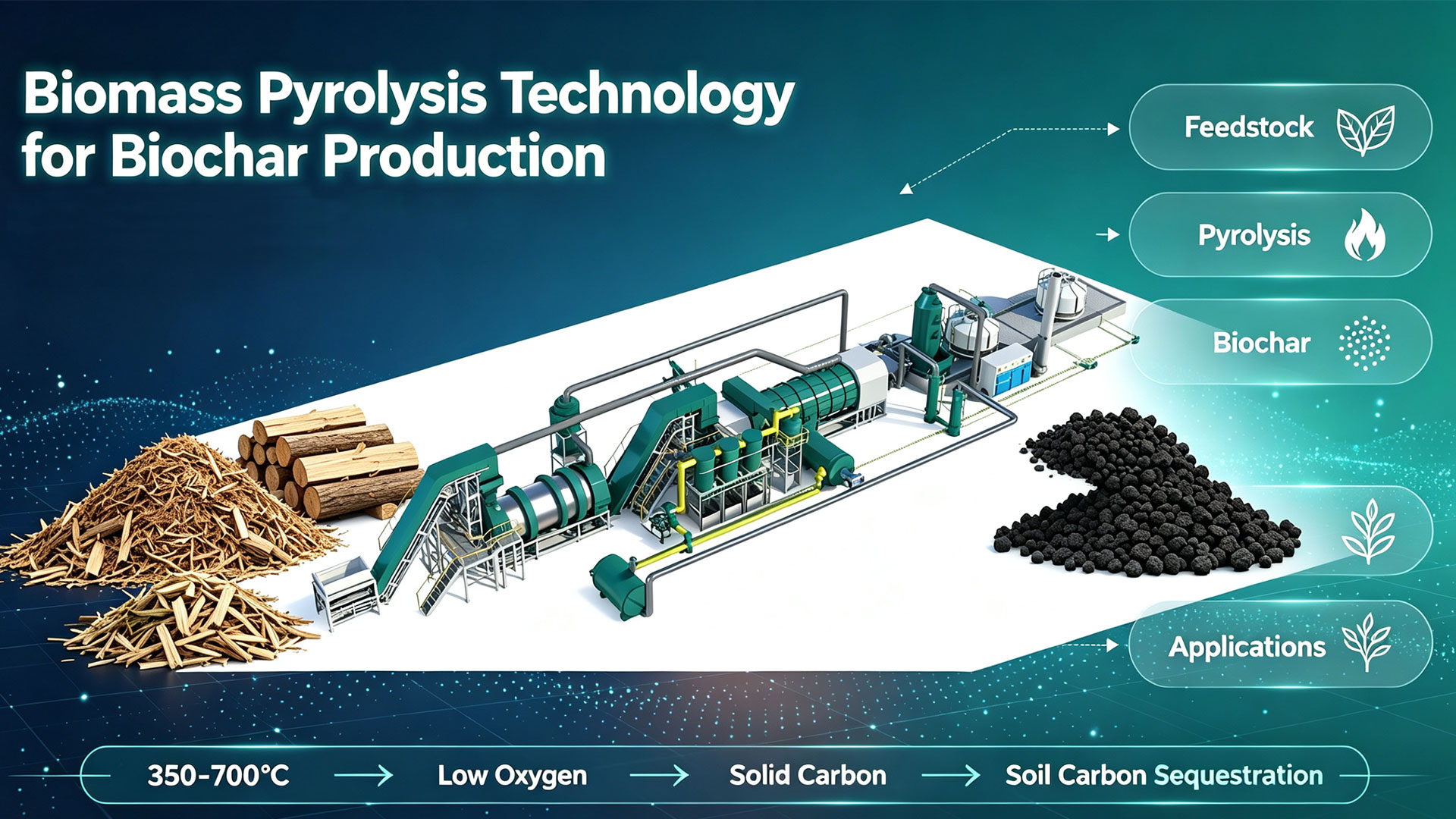
Biomass Pyrolysis Technology for Biochar Production

Biomass pyrolysis technology is a mature and relatively simple method for producing biochar, and it is the most widely used. Biochar is produced by heating biomass at high temperatures (300-700 degrees Celsius) in an anaerobic or low-oxygen environment. During this pyrolysis carbonization process, biomass decomposes into three products: solid (biochar), liquid (bio-oil), and gaseous (combustible … Read more

Pyrolysis of Forestry Biomass Waste Enables Biochar Carbon Removal

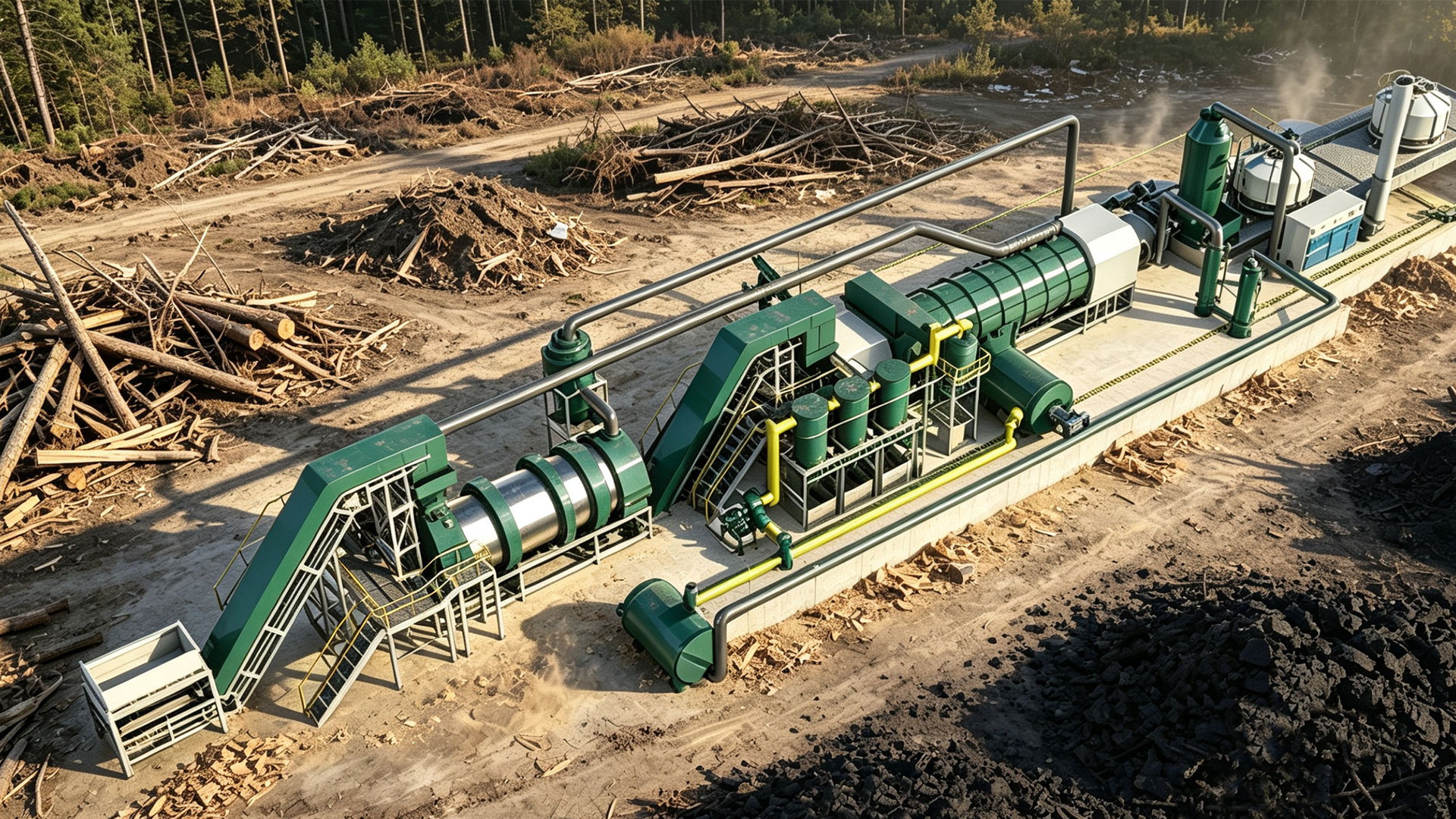
Pyrolysis of Forestry Biomass Waste Enables Biochar Carbon Removal

Biochar production from forestry biomass waste pyrolysis is one of the few negative carbon technologies. It combines four key benefits: waste management, ecological restoration, permanent carbon removal, and market-based income generation. Pyrolysis of forestry biomass waste to biochar perfectly aligns with global trends in ecological governance and carbon-neutral industry development. Waste forestry biomass represents a … Read more

How to Obtain Biochar from Rice Straw

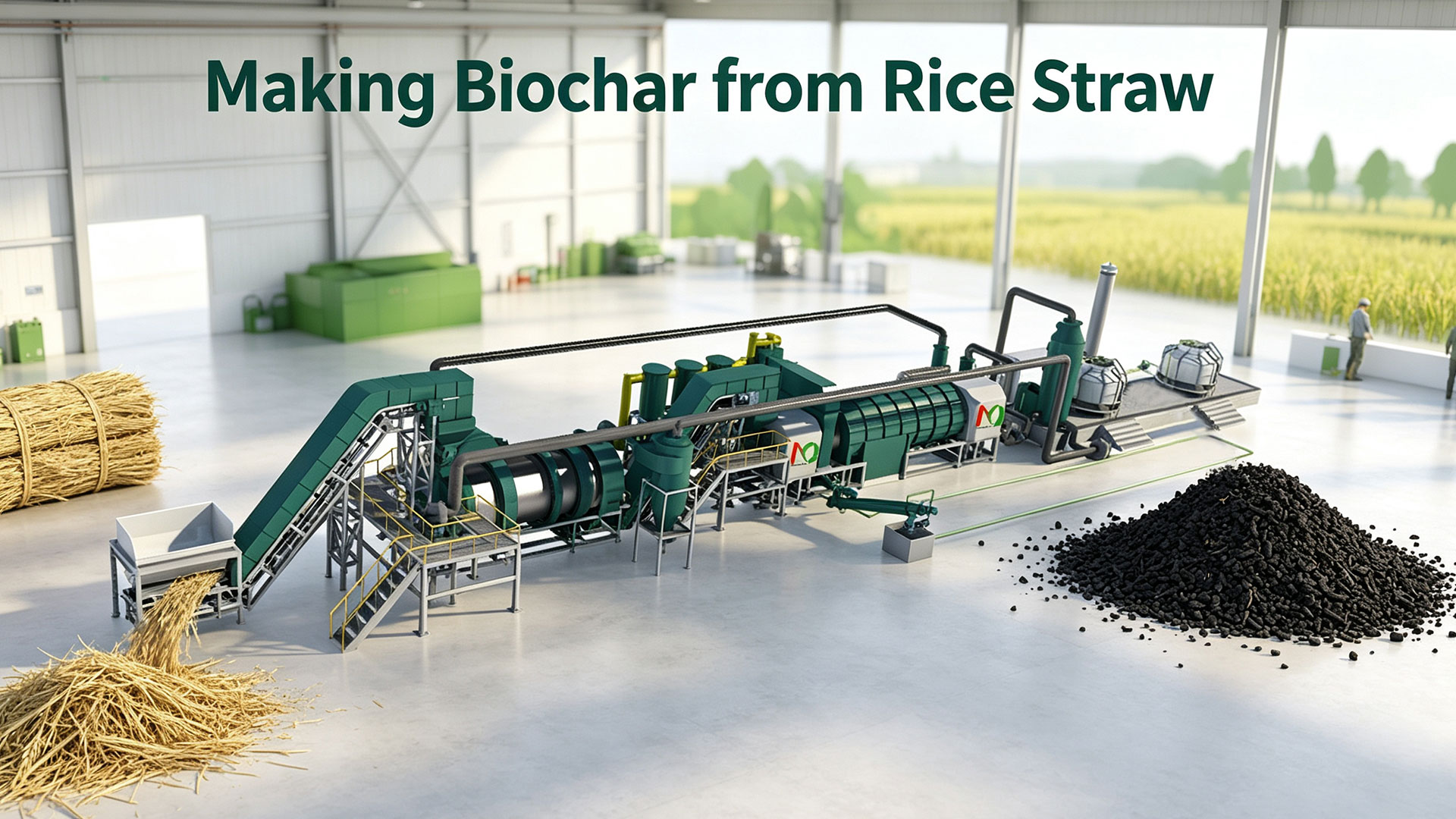
How to Obtain Biochar from Rice Straw

Pyrolysis is a key technology for obtaining biochar from rice straw. Mingjie Biomass Carbonization Plant produces high-quality biochar and syngas products through a continuous pyrolysis carbonization process. Rice straw biochar is a carbon-rich aromatic compound produced by the pyrolysis of rice straw under anaerobic or limited oxygen conditions. It possesses high stability and excellent environmental … Read more

Large Scale Biochar Making for Carbon Dioxide Removal CDR

Large Scale Biochar Making for Carbon Dioxide Removal CDR

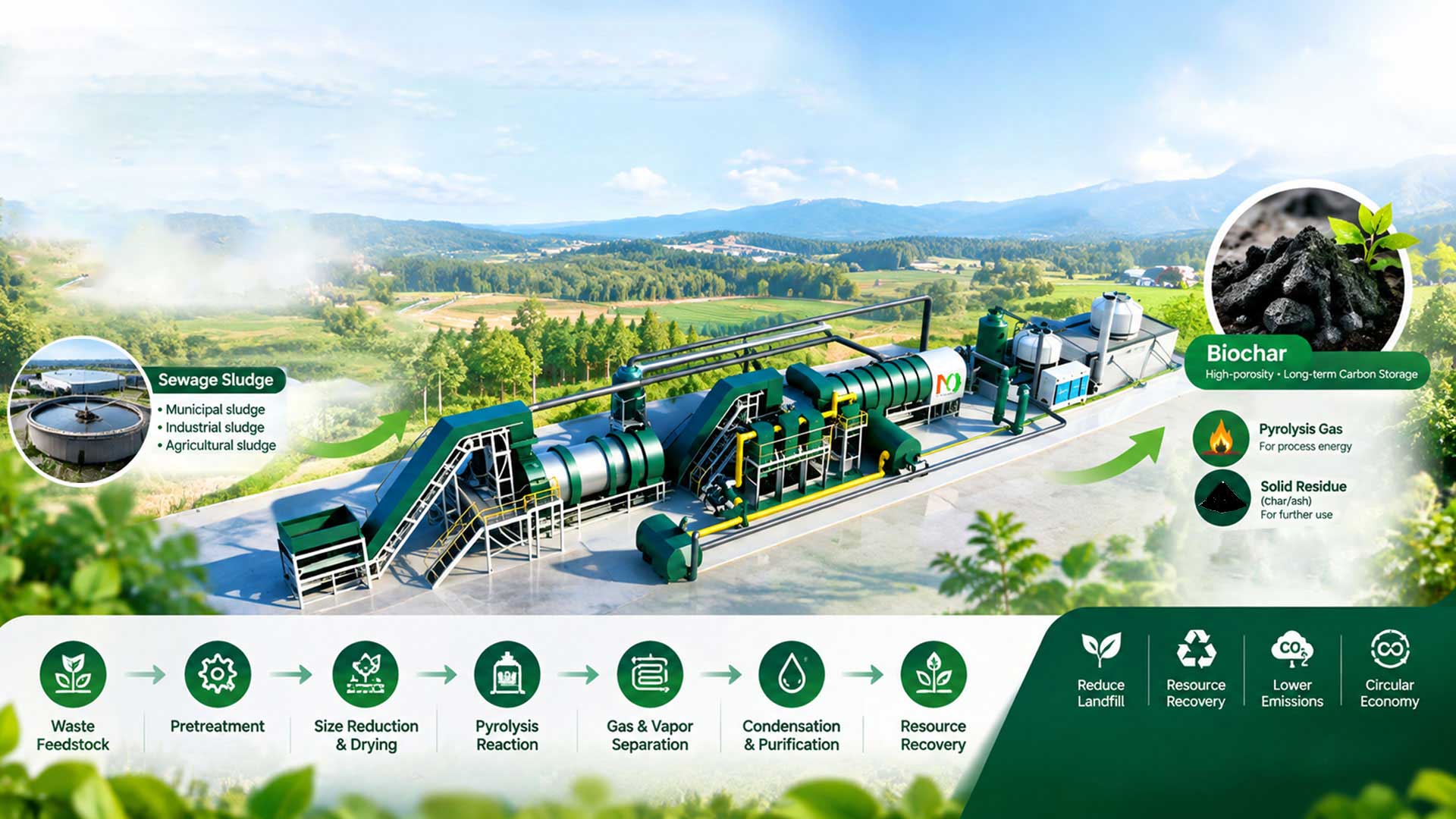
Large scale biochar making by continuous pyrolysis offers a unique and easily implemented engineering approach for carbon dioxide removal (CDR). It can remove hundreds of millions of tons of carbon dioxide annually, with a marginal cost lower than other negative emission technologies. Biomass carbonization plant converts waste biomass into biochar. It converts the carbon dioxide … Read more

How to Make Best Biochar from Sawdust

Make Biochar from Sawdust

Traditional methods of treating waste sawdust generally suffer from problems such as high pollution, low utilization rate, low added value, and secondary waste. However, making biochar from sawdust through pyrolysis carbonization is a superior waste biomass treatment process. What is Sawdust Biochar? Sawdust biochar is a carbon-rich solid product obtained by heating sawdust under anaerobic … Read more

How to Distinguish between Biochar and Charcoal

Difference between Biochar and Charcoal

Biochar and charcoal look similar, both being black, carbon-rich, porous materials. They are both made from biomass through anaerobic pyrolysis. The most reliable way to distinguish between biochar and charcoal is through five core dimensions: production positioning, raw material processing, physicochemical properties, uses, and environmental value. Different Production Purposes of Biochar and Charcoal Biochar: An … Read more

How Continuous Carbonization Equipment Generates Carbon Credits

Continuous Carbonization Equipment

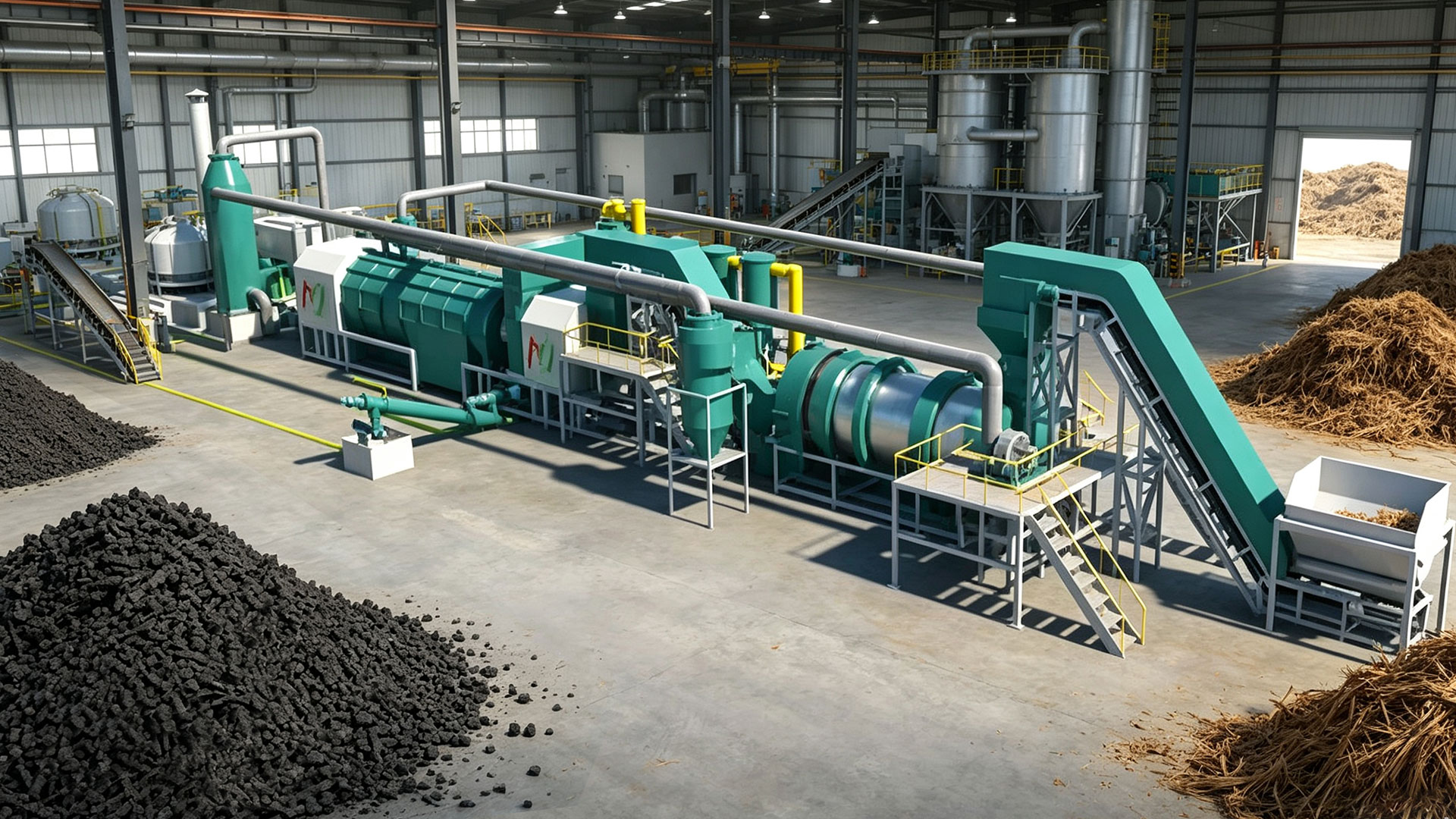
Continuous carbonization equipment transforms agricultural waste into high-value biochar and tradable carbon credits. These carbon credits represent verified, quantifiable, and long-term sequestered carbon dioxide removals. The continuous carbonization equipment converts biomass into highly stable biochar under high-temperature, oxygen-free conditions. When applied to the soil, this “black gold” sequesters carbon for centuries or even millennia, thereby … Read more

Get A Free Quote