As global urbanization accelerates and comprehensive sewage treatment coverage expands, the volume of municipal and industrial sludge continues to rise. Pyrolysis technology, representing a next-generation approach to sludge treatment and disposal, offers key advantages such as low pollution, significant volume reduction, and full resource recovery. It has emerged as a mainstream trend in the global landscape of harmless sludge treatment and disposal.
Currently, pyrolysis projects for sewage sludge treatment and disposal have progressed beyond laboratory research into a phase characterized by the coexistence of pilot-scale trials, demonstration projects, and commercial deployment. Demonstration initiatives in Denmark, Sweden, the UK, Germany, France/the Euro-Mediterranean region, as well as in China, Singapore, and Africa, are particularly noteworthy.
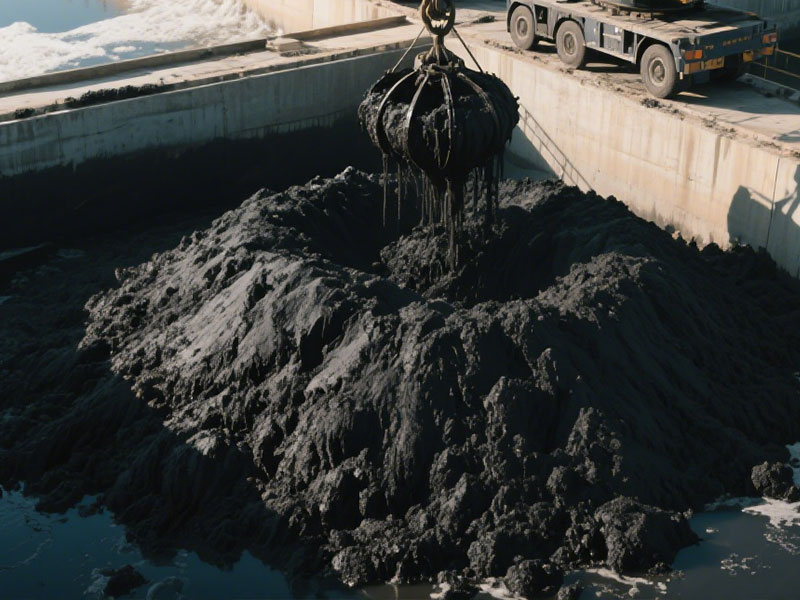
Core Principles of Sludge Pyrolysis Treatment
Sludge pyrolysis refers to the process of thermally decomposing the organic components of sludge at specific temperatures in the absence of oxygen, thereby producing biochar and syngas. Unlike incineration, which relies on complete oxidation, pyrolysis operates as a reduction process for sewage sludge disposal. It fundamentally inhibits the formation of toxic pollutants such as dioxins and nitrogen/sulfur oxides while enabling the fractionated utilization of the sludge’s organic matter and mineral content.
Currently, pyrolysis technology has been successfully implemented at an industrial scale in various regions, including Europe, North America, and East Asia.
Based on the current development of global projects, sewage sludge pyrolysis is evolving along three representative technical pathways:
- Sludge drying + continuous pyrolysis
- Thermal hydrolysis/anaerobic digestion + pyrolysis
- Low-carbon drying/solar drying + pyrolysis
While all three pathways share the common goal of enhancing sludge removal in wastewater treatment, they differ in their specific approaches to pre-treatment, energy utilization, and final products.
Why is Drying Critical to Sludge Pyrolysis Projects?
One of the defining characteristics of sludge is its high moisture content. If large amounts of water enter the pyrolysis reactor directly, the system consumes significant thermal energy for evaporation, thereby reducing the project’s overall energy efficiency.
The economic viability of a sludge pyrolysis project depends largely on the amount of energy required to dry each ton of sludge. Low-cost drying is a key strategy for reducing the operating costs of sludge pyrolysis projects.
In addition to solar energy, sludge drying can also utilize waste heat from syngas and flue gas.

Continuous Carbonization Plant for Sludge Treatment and Disposal
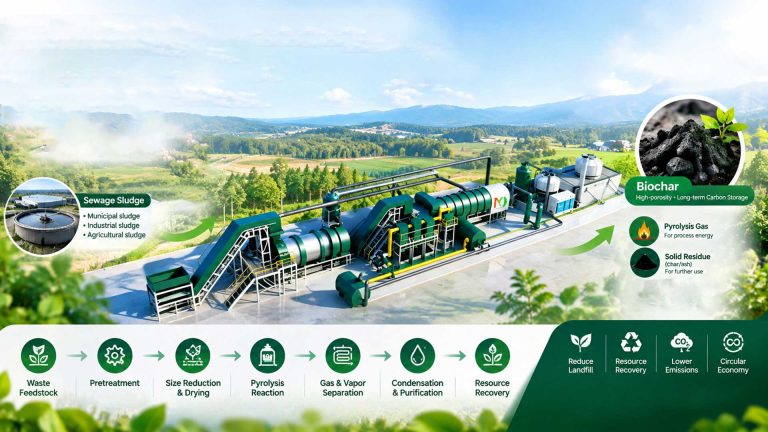
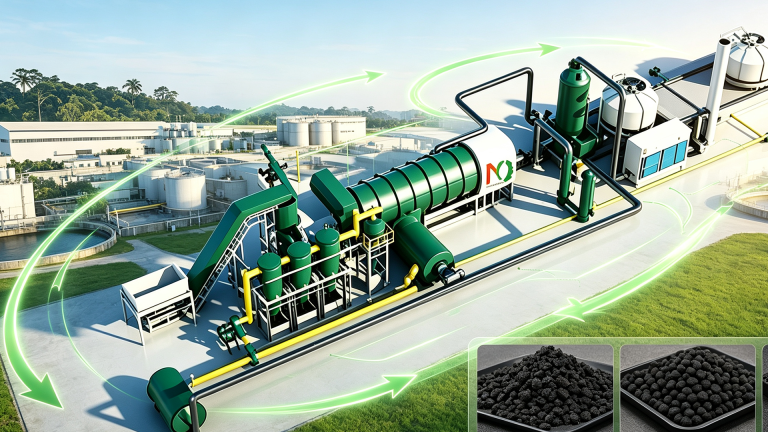
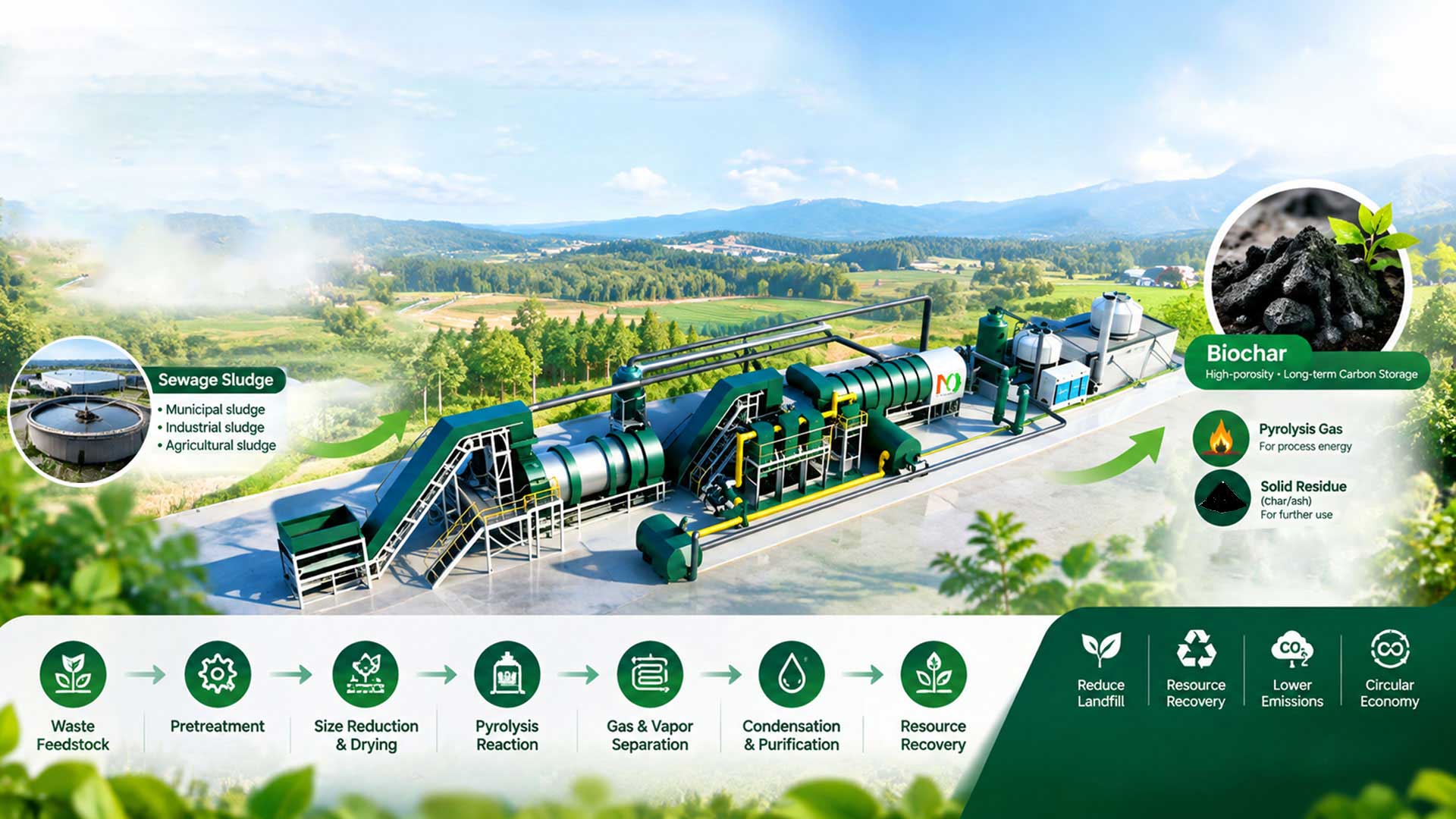
Mingjie Group provides continuous carbonization plant solution for sludge treatment and disposal. Dewatered sludge is first dried to a moisture content of less than 15% and then fed into a sludge carbonization reactor for pyrolysis, yielding stable biochar and syngas. The syngas is purified and used to heat the carbonization reactor, thereby creating an integrated energy loop. The waste heat from syngas combustion and flue gas can be used for sludge drying.
Continuous pyrolysis is emerging as a key direction for industrial-scale application. Compared to laboratory-scale and small-batch pyrolysis processes, continuous pyrolysis equipment is better suited for large scale wastewater treatment plants.
A continuous sludge pyrolysis system typically comprises the following components: a continuous feeding system, a pyrolysis reactor, a syngas circulation system, a cooling system, an automatic discharge system, an exhaust gas purification system, and a PLC-based automatic control system.
The advantages of a continuous pyrolysis plant lie in its ability to achieve continuous feeding, continuous pyrolysis, and continuous discharge, thereby enhancing operational stability and the level of automation.
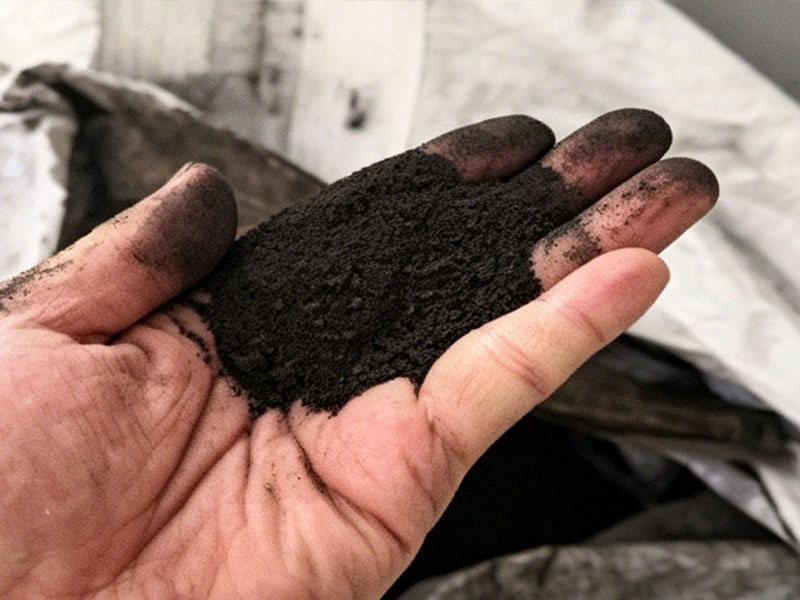

Key Products of Sludge Pyrolysis
Upon entering the pyrolysis system, sludge is ultimately converted into three main types of products.
Sludge Biochar
Depending on its properties and local regulations, sludge biochar offers potential for various applications, such as environmental remediation materials, adsorbents, construction and asphalt materials, phosphorus carriers, soil-related uses, and carbon storage.
However, sludge-derived biochar differs significantly from conventional wood-based biochar. Since sludge may contain heavy metals and other contaminants, its end-use requires rigorous testing and risk assessment.
Syngas
Syngas can typically be purified and used to provide heat for the system.
This enables a process loop—Pyrolysis Gas → Combustion → Heat → Sludge Drying → Pyrolysis Reactor—thereby reducing the demand for external energy. This approach represents a key strategy for enhancing the energy efficiency of continuous sludge pyrolysis equipment.