What is Plastic Chemical Recycling
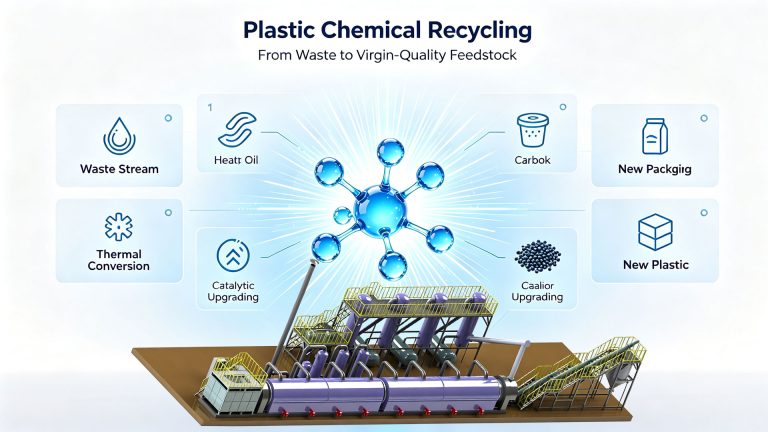
Chemical recycling is a breakthrough technology for treating low-value waste plastics. It transforms plastic waste into chemical raw materials through molecular-level deconstruction, achieving closed-loop resource utilization. Plastic chemical recycling can process mixed and heavily polluting low-value waste plastics and produce recycled materials with performance comparable to virgin plastics. It is
MJT-2000 Biochar Equipment for Sale to Saudi Arabia
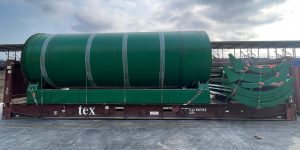
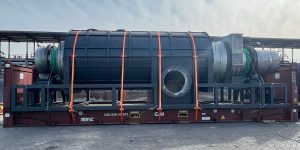
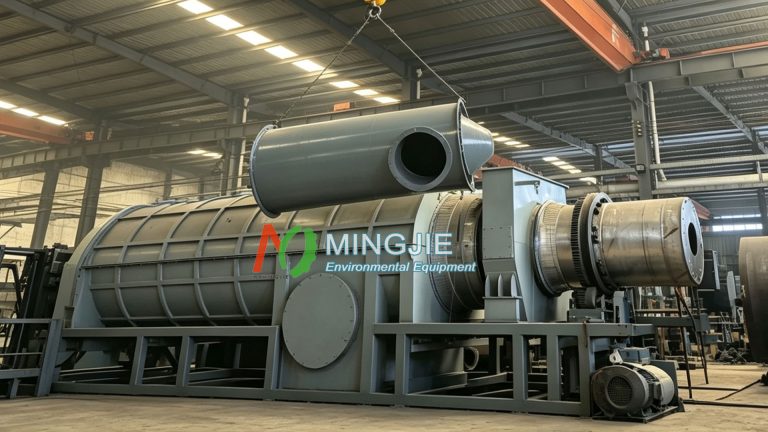
On September 1, 2026, Mingjie Group completed the factory shipment of the MJT-2000 biochar equipment for sale to Saudi Arabia. Because the biomass raw material is large in size, it does not meet the feeding requirements of continuous biomass carbonization plant. To ensure the continuity of the fully automatic biochar
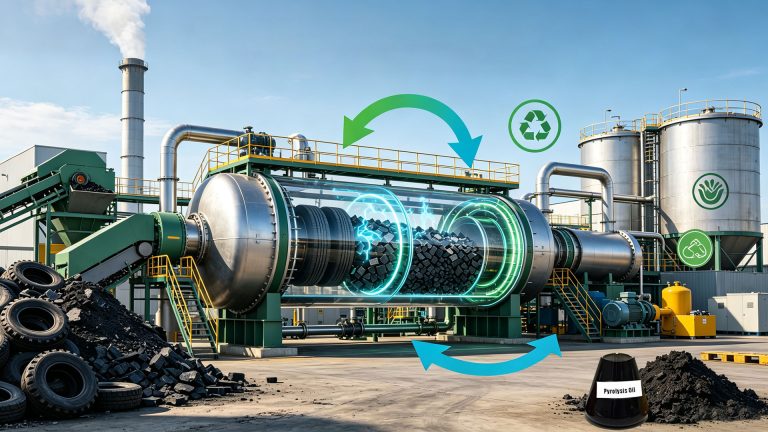
Waste Tires to Oil Recycling Pyrolysis Plant Drives the Circular Economy
The tire to oil pyrolysis plant provides a chemical recycling solution. Under anaerobic conditions, the pyrolysis plant decomposes rubber into a hydrocarbon-oil-gas mixture through heating, simultaneously separating oil, carbon black, and steel wire. The tires to oil recycling pyrolysis plant transforms waste into valuable raw materials, enabling the recycling of
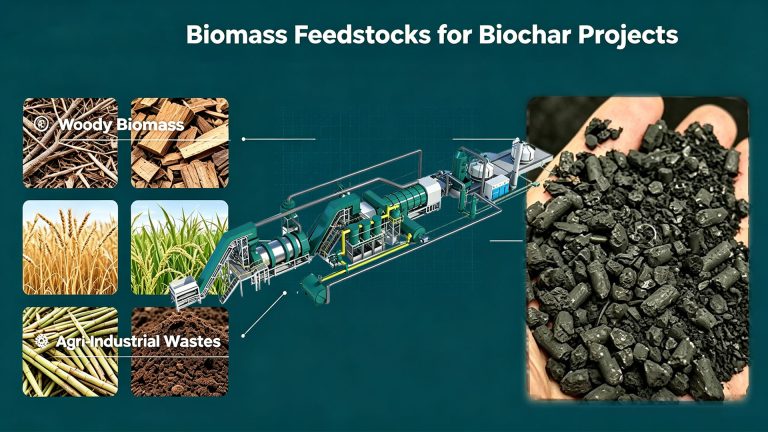
What Biomass Feedstocks Are Suitable for Biochar Projects?
Biochar raw materials are widely available, ranging from agricultural and forestry waste to livestock and poultry manure. However, biochar made from different biomass feedstocks exhibits vastly different physicochemical properties. This directly affects its effectiveness in soil improvement, carbon sequestration and emission reduction, or pollution remediation. According to mainstream standards such

Commonalities and Differences Among Biochar Projects Registered on Puro
Puro.earth is the world’s largest engineered carbon removal registration platform. Biochar is the most widely issued carbon removal pathway on the platform. Registered biochar projects are located in 13 countries across Europe, Africa, Southeast Asia, and Latin America. These projects vary significantly in scale, raw material sources, pyrolysis equipment, application

Sustainable Carbon Black: Black Core of Waste Tire Recycling
Carbon black is the most important reinforcing filler in tire manufacturing. Globally, the annual production of virgin carbon black, amounting to tens of millions of tons, heavily relies on coal tar and petroleum-based fossil fuels, with significant carbon emissions during the production process. Driven by both global carbon neutrality goals

Reasons for Failure of Large Scale Plastic Pyrolysis Plants
Plastic pyrolysis technology is considered a core process for the resource recovery of waste plastics. It converts waste plastics into pyrolysis oil, carbon black, and syngas products through high-temperature anaerobic pyrolysis. In recent years, a large amount of capital has entered the plastic pyrolysis project market. Some large scale plastic
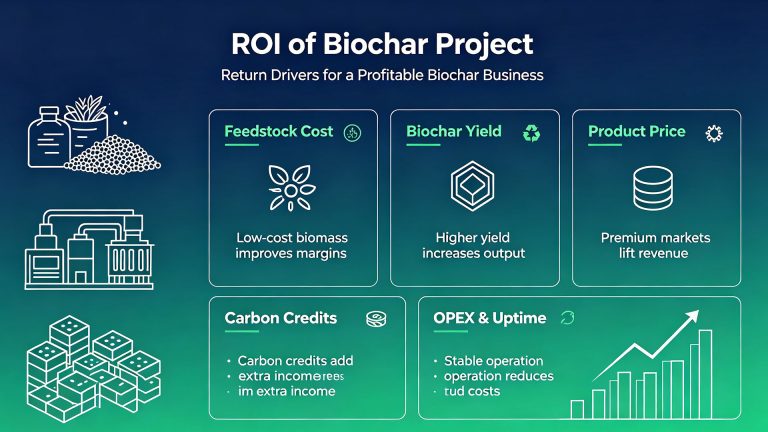
What Determines the ROI of Biochar Project?
The ROI of a biochar project is not determined by the biochar production equipment alone. It is the result of a complex interplay of multiple dimensions: raw material supply, equipment technology, product market, carbon asset development, operation and management. Raw Material Costs in Biochar Project Raw material costs are often
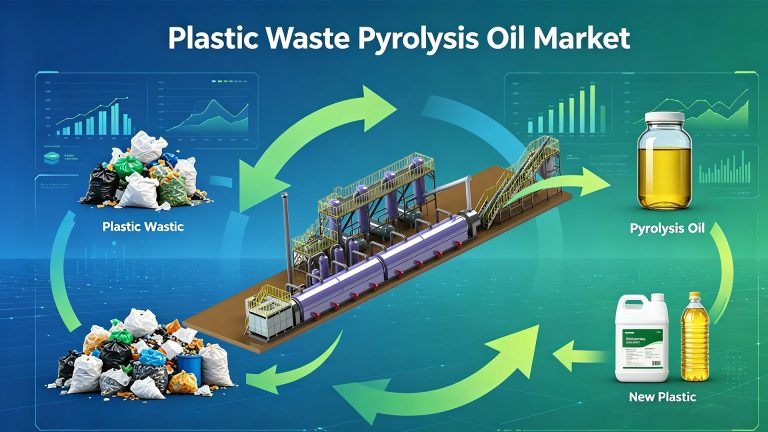
Global Plastic Waste Pyrolysis Oil Market Analysis
The global plastic waste pyrolysis oil market is transitioning from demonstration projects to industrial expansion. This pyrolysis industry, which transforms low-value mixed waste plastics into high-value oil products, is demonstrating remarkable growth potential. The global plastic waste pyrolysis oil market size was US$718.26 million in 2025. It is projected to
How to Reduce the Cost of Pyrolysis Plant
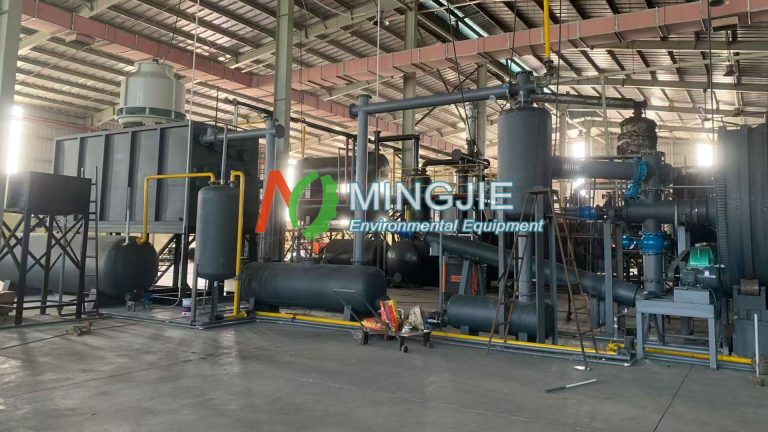
The cost of pyrolysis plants is a major constraint on the development of the plastic waste pyrolysis market. The cost of pyrolysis plant is not fixed, but rather varies widely depending on scale and technology. A comprehensive cost assessment must consider the entire integrated system and its operational requirements. Establishing