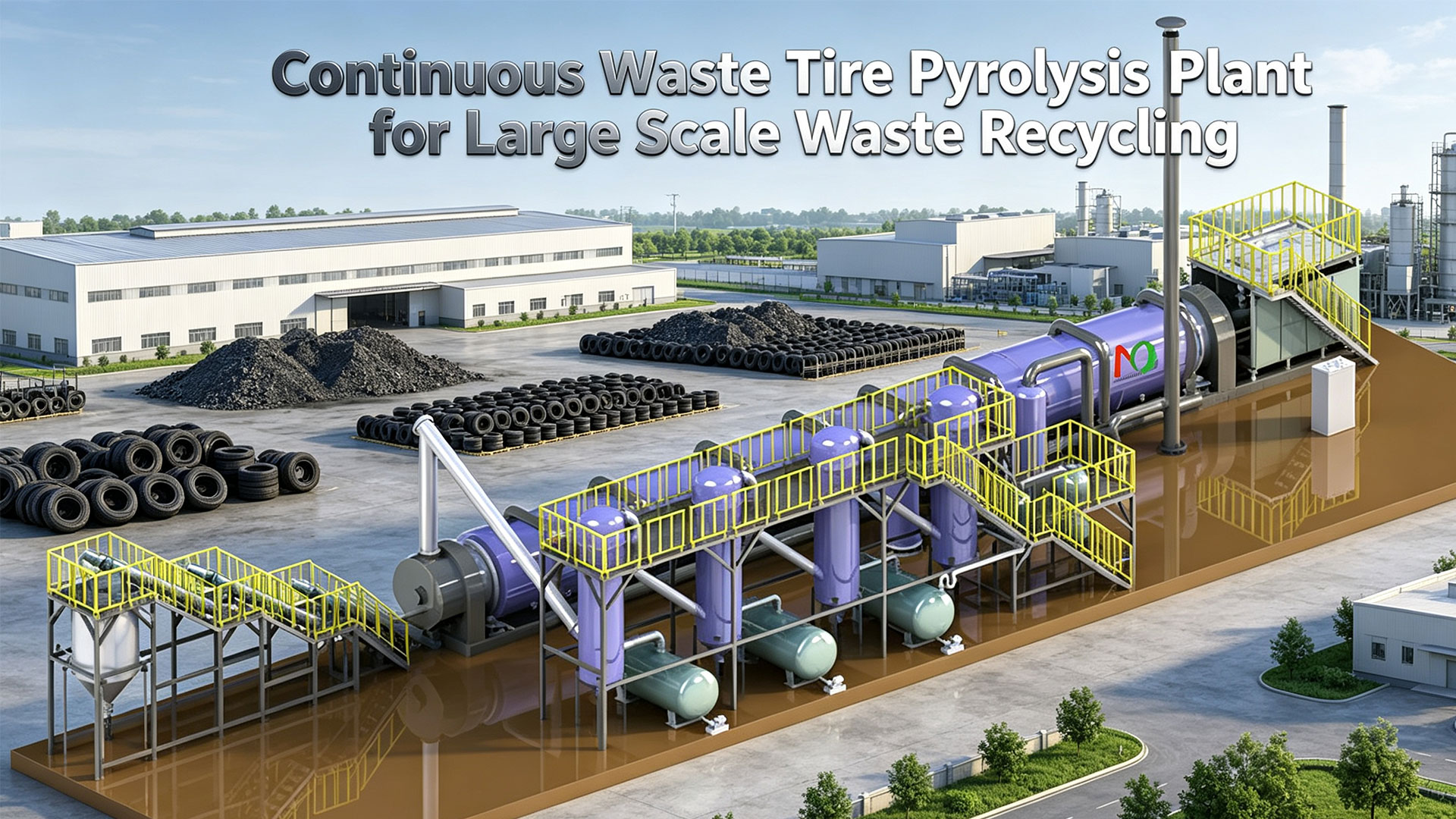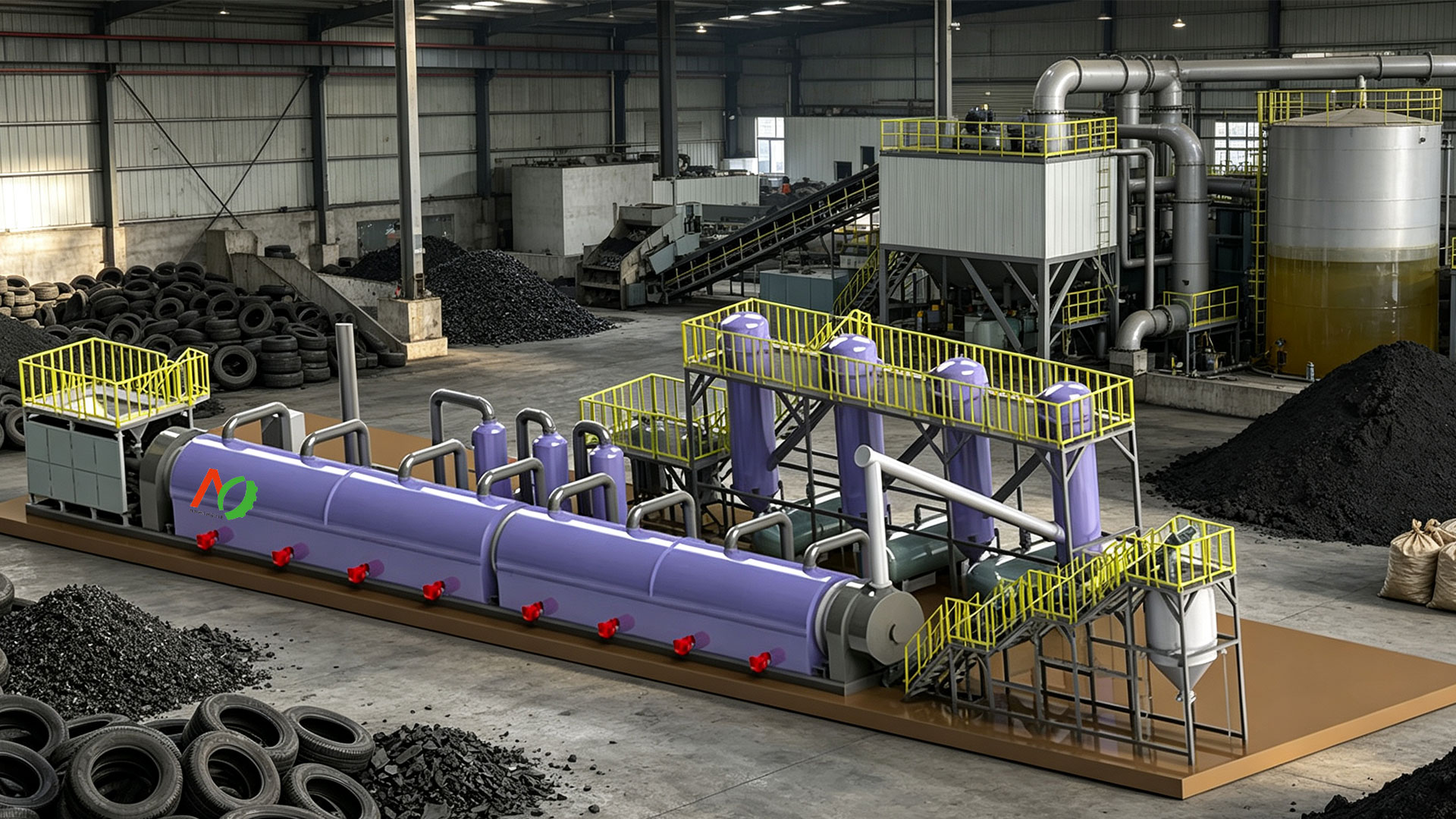
Transforming Middle East Tire Graveyards with a Waste Tyre Pyrolysis Plant
Learn how a waste tyre pyrolysis plant converts Middle East tire waste into industrial oil and carbon black.
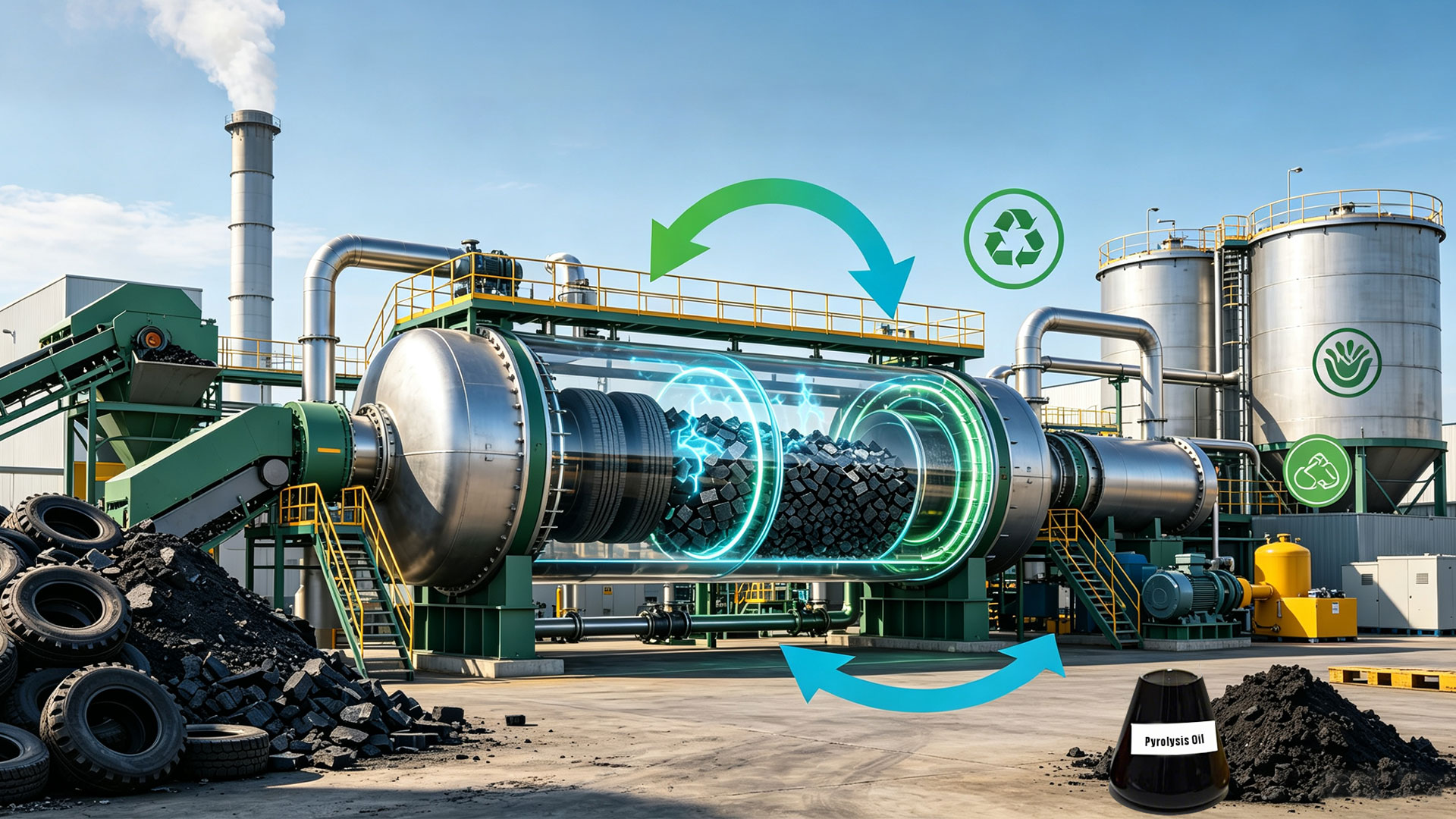
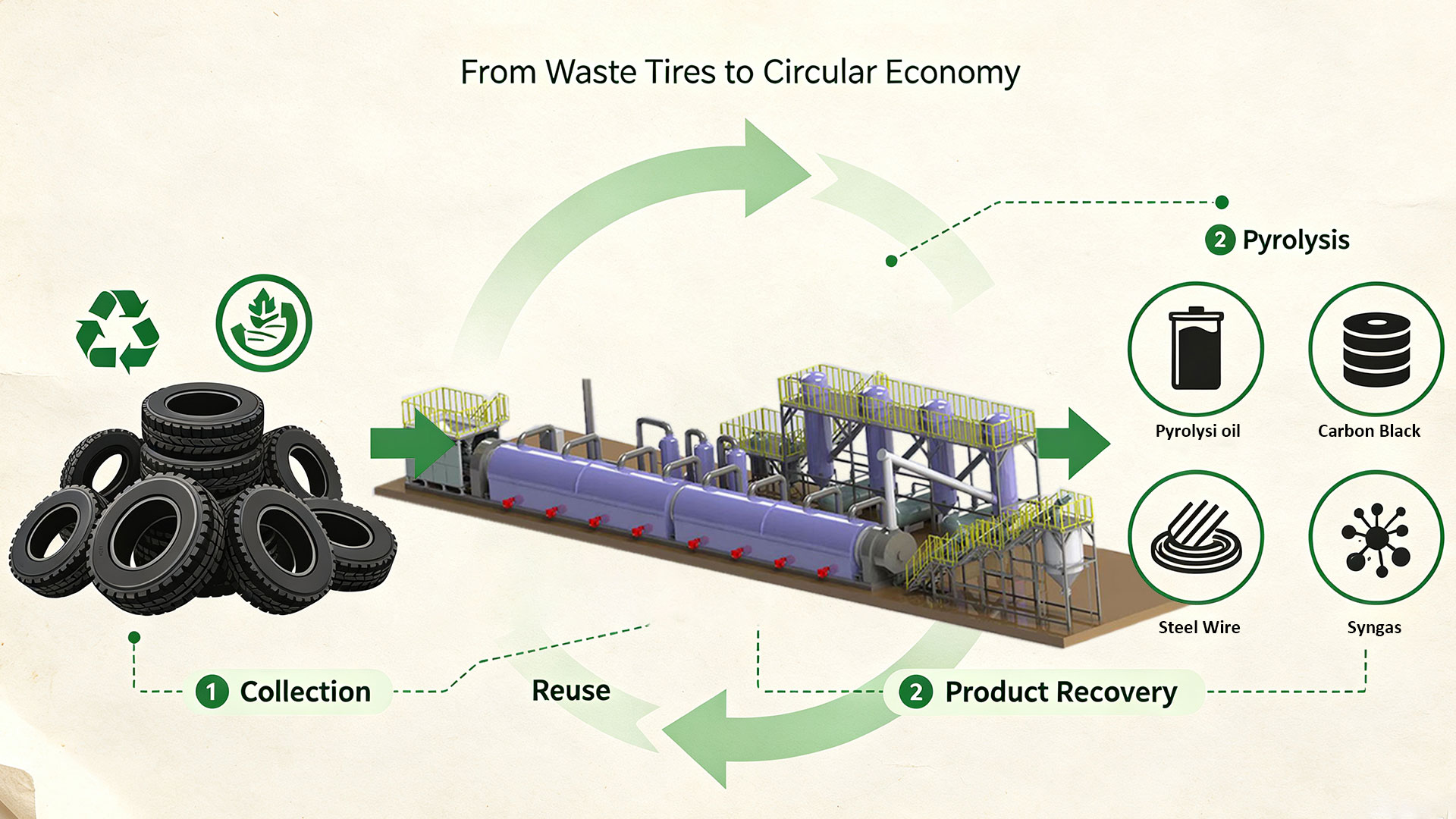
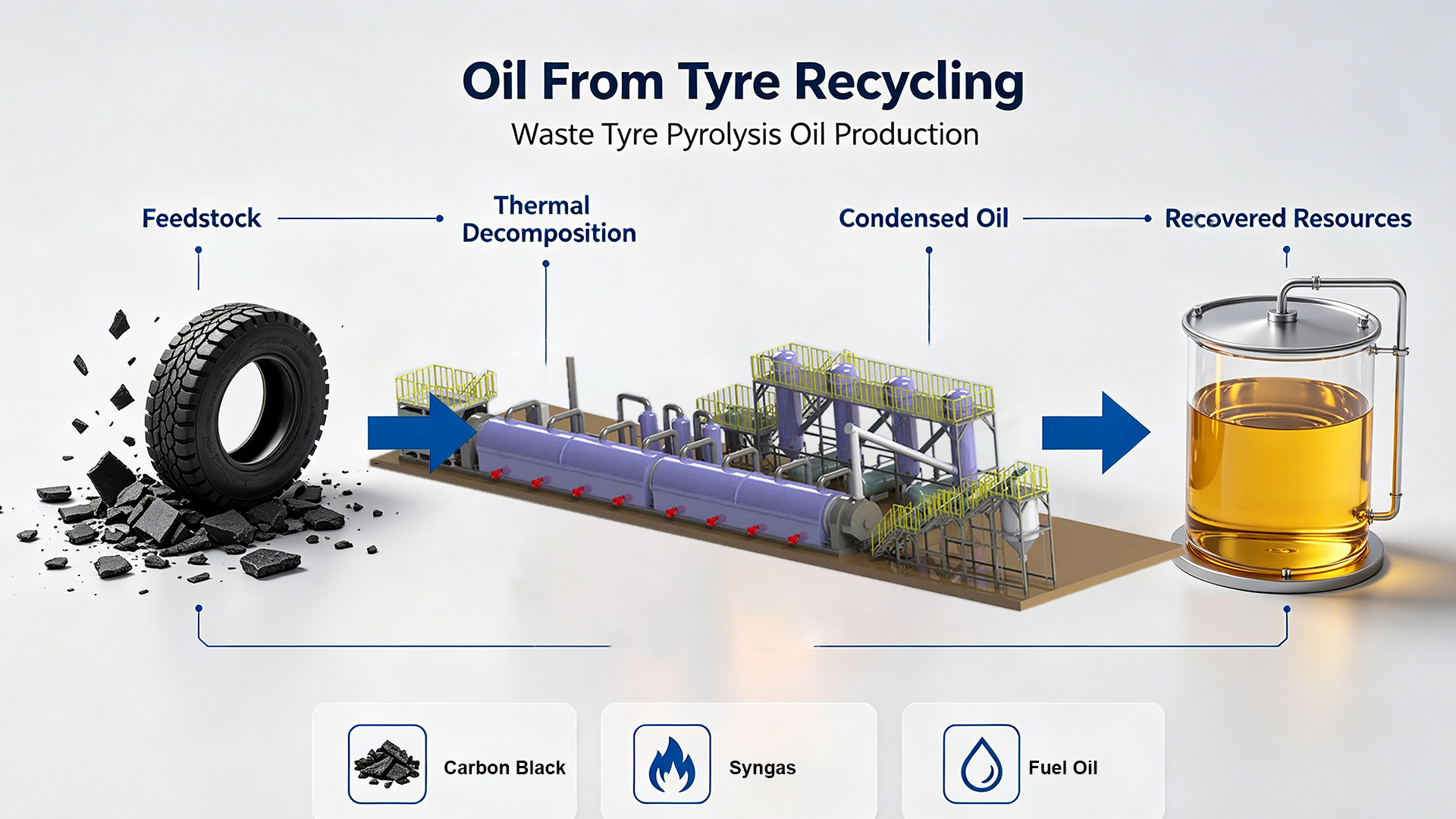
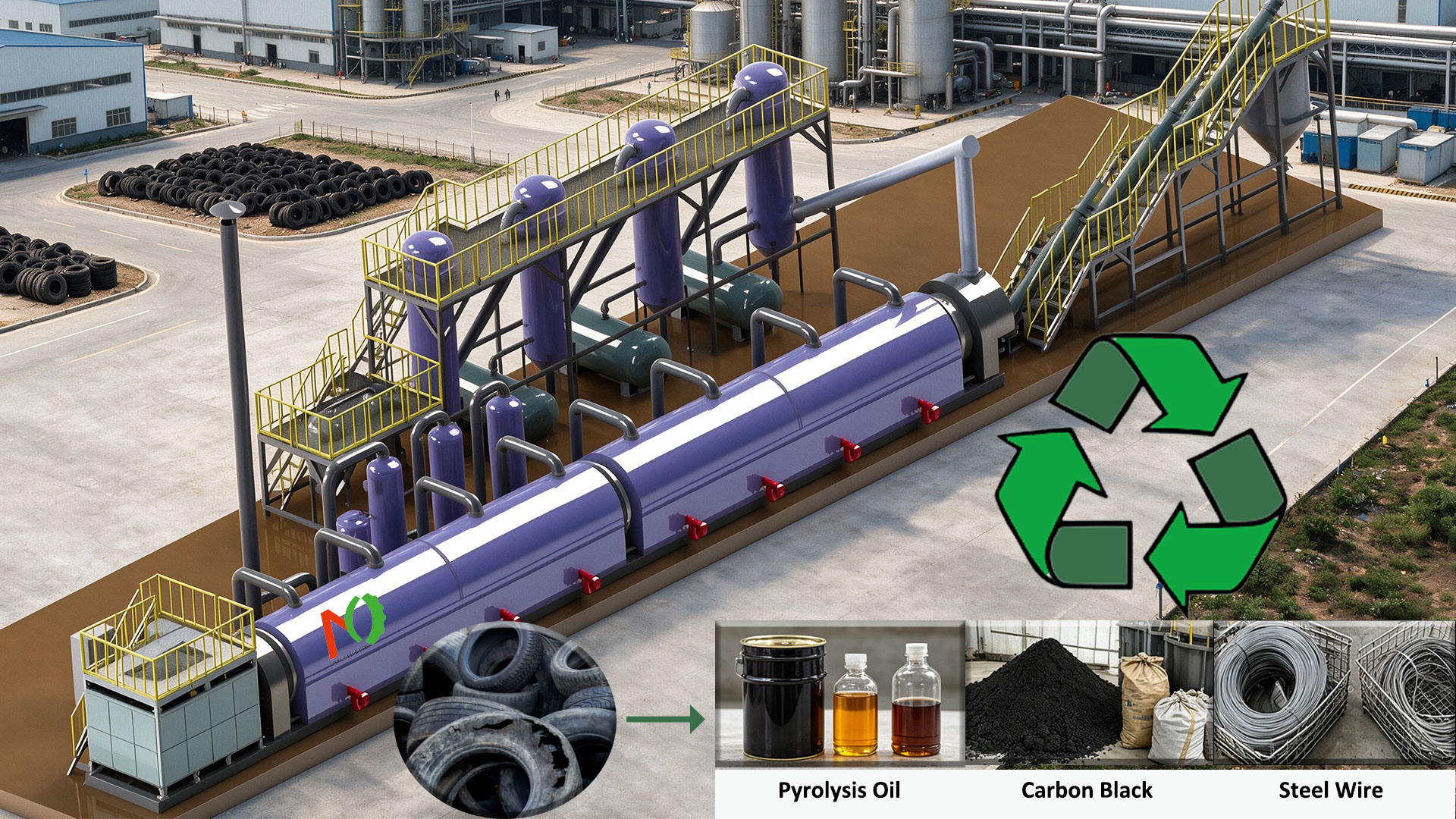
The waste tyres pyrolysis is a process in which the high molecular polymers in tires are converted into gas, liquid and solid products by heating in an oxygen-free environment. Its core is to use heat energy to break the carbon chain structure, generate synthesis gas (such as methane, ethylene), fuel oil (containing aromatics, alkanes) and solid carbon black, and separate steel wire at the same time.
Learn how a waste tyre pyrolysis plant converts Middle East tire waste into industrial oil and carbon black.
The waste tire pyrolysis system, as a solution to the challenging problem of waste tire disposal, enables the resource utilization of waste tires. Through high-temperature decomposition, waste tires can be converted into various high-value products such as carbon black, pyrolysis oil, synthesis gas, and steel wire. Carbon black can be used in the reprocessing of … Read more
Regarding the pyrolysis products of waste tyres, the collection and processing technologies for pyrolysis gas and pyrolysis oil are relatively mature. However, tyre pyrolysis carbon black is increasingly favored by researchers due to its complex composition and diverse applications. The global pyrolytic carbon black market is experiencing a period of rapid growth. According to several … Read more
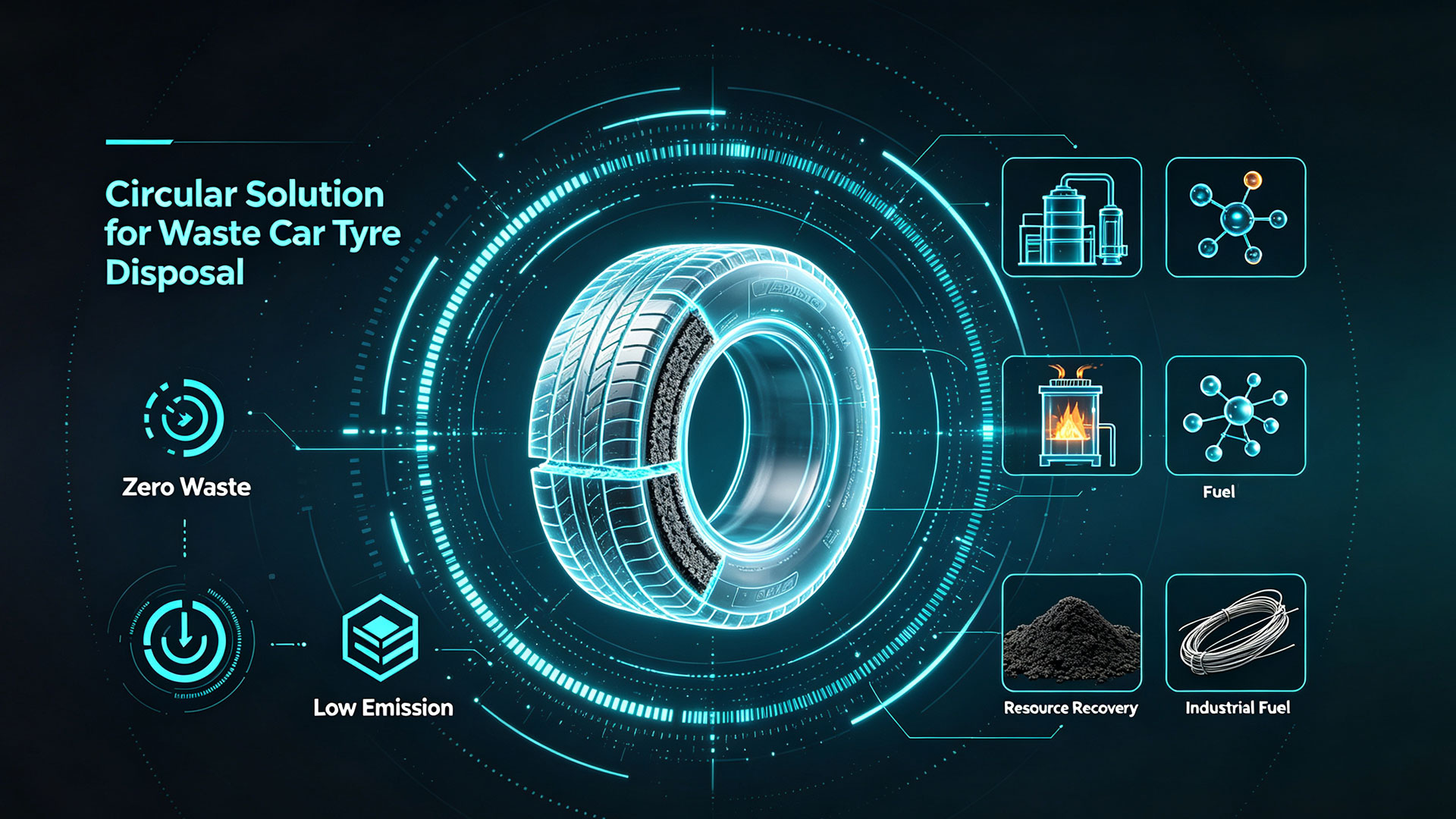
The continuous waste tyre to oil pyrolysis plant demonstrates exceptional environmental performance, making it a green pioneer in the field of waste tire processing. Its pyrolysis process takes place in a completely enclosed system, effectively placing an environmental shield over the entire process. This tightly controls potential pollution within the system. By operating in an … Read more
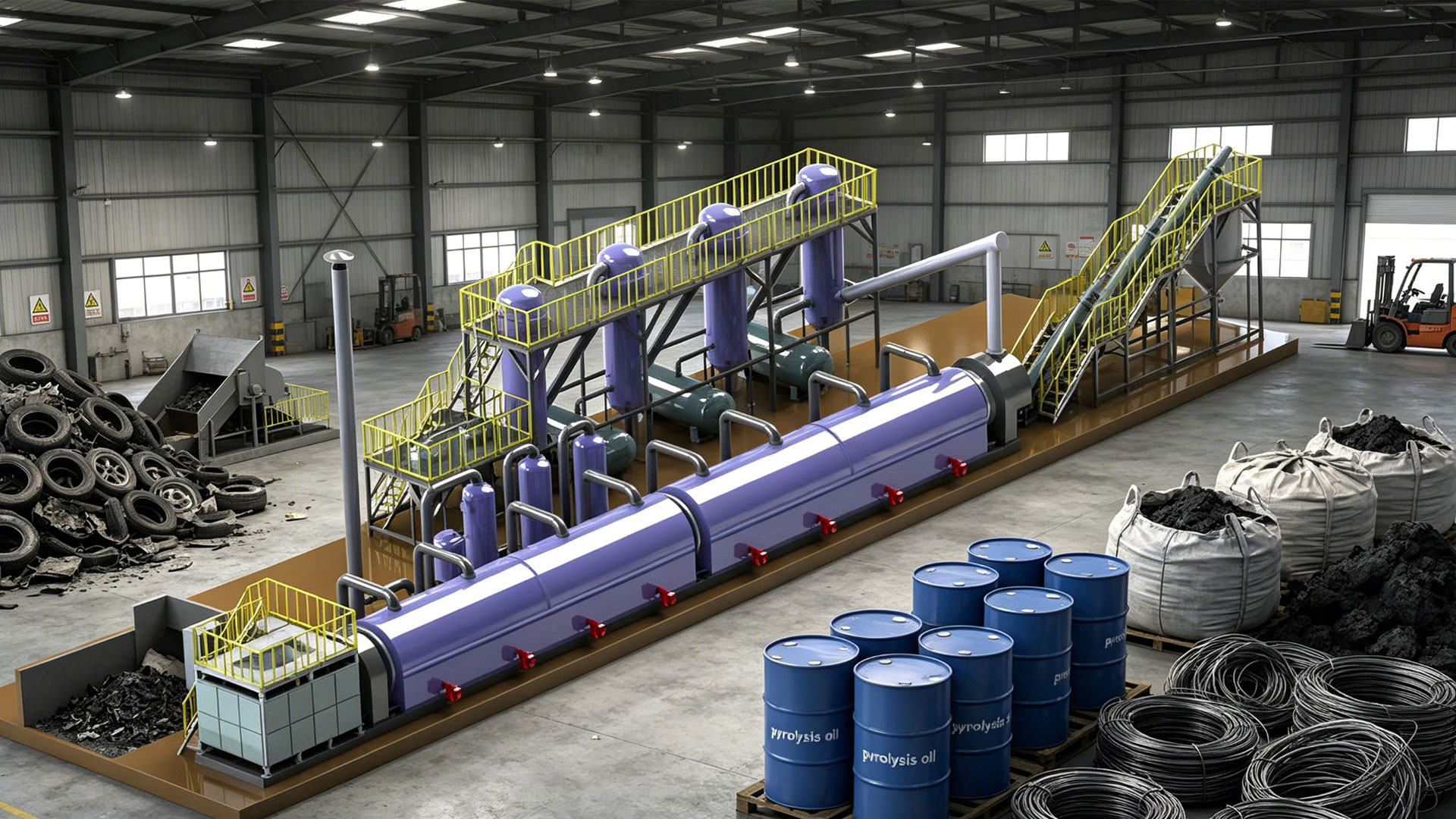
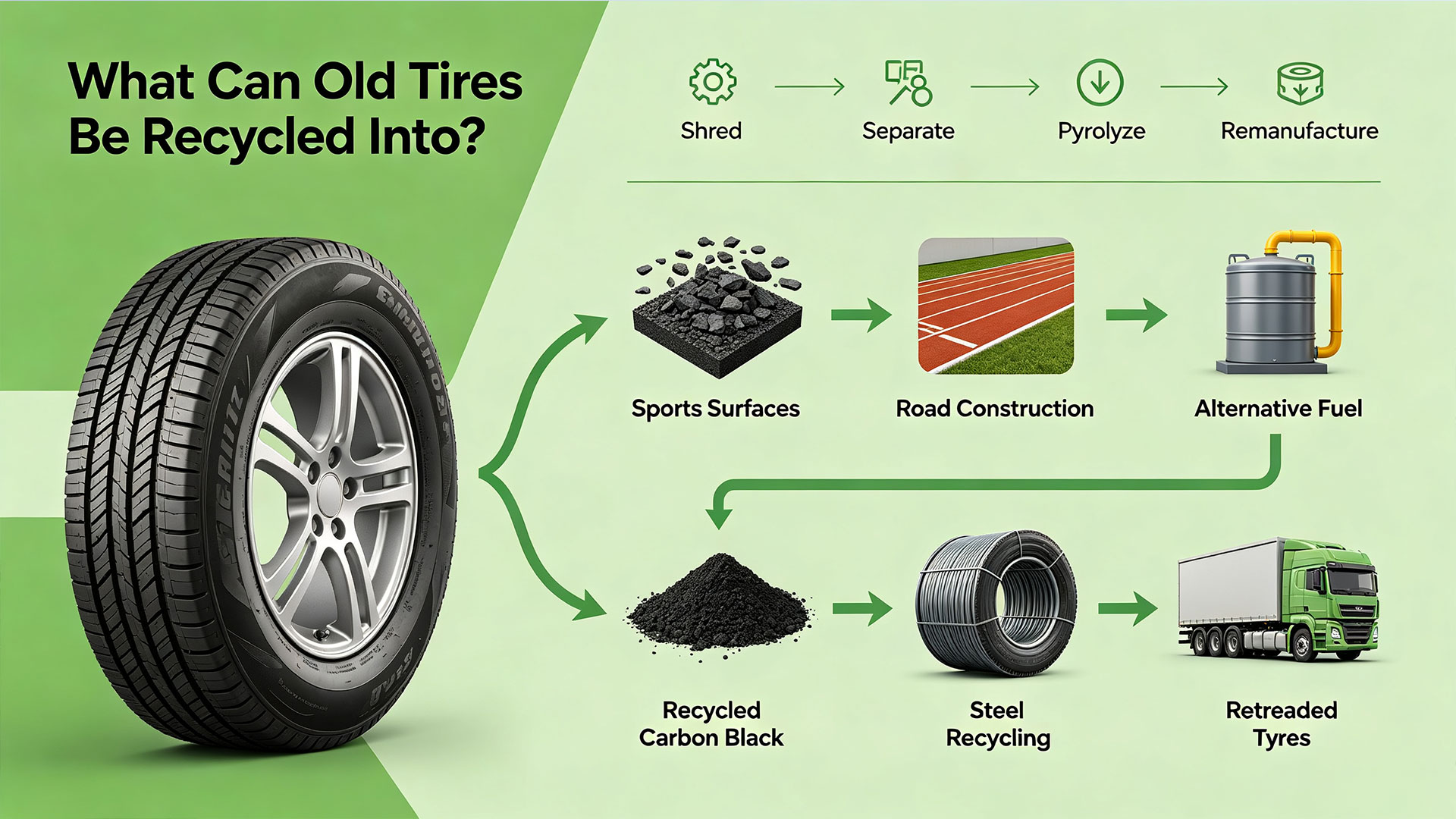
Tire pyrolysis plant can convert waste tires into pyrolysis oil (fuel), syngas (energy), steel wire (scrap metal), and carbon black. The main application areas of waste tire to oil plant include fuel oil production, carbon black manufacturing, and steel wire recycling. In 2024, global production of fuel oil extracted from waste tires exceeded 58 million … Read more
The waste tyre to oil plant have become key technological equipment for solving the challenges of solid waste and hazardous waste treatment. Because of its core advantages of reduction, harmlessness, and resource utilization. Tyre pyrolysis plant provides efficient and feasible solutions for sustainable waste management systems, and the market is experiencing strong growth. Globally, over … Read more
Waste tire to oil pyrolysis technology is an important method for processing rubber. The pyrolysis system primarily works by utilizing the principle that rubber undergoes cracking at high temperatures. In a high-temperature, oxygen-free or oxygen-deficient environment, the components of waste tires undergo complex chemical reactions. During the waste tire to oil pyrolysis process, the rubber … Read more
Pyrolysis technology, as an advanced end of life tyre recycling solution, can yield tyre pyrolysis oil (TPO), carbon black, steel wire, and syngas. Tyre pyrolysis oil and recovered carbon black are currently the main focus of market development. They can be used as raw materials in the rubber and chemical industries, re-entering the production cycle. … Read more
Pyrolysis technology is the most effective treatment technology for waste tyre recycling, and represents the current development direction of waste tyre disposal. Waste tyre pyrolysis is a chemical reaction process carried out in the absence of oxygen or in an inert gas, producing pyrolysis oil, carbon black, synthesis gas, and steel wire. The tyre pyrolysis … Read more
Globally, the market for waste tyre processing is vast and growing. Market research reports indicate that the global waste tire processing market is expected to grow from approximately $15 billion in 2020 to approximately $20 billion by 2025. Pyrolysis of waste tyre, as a promising thermochemical conversion method, demonstrates unique environmental advantages. Increasingly stringent environmental … Read more